



Coast Guard Searches for Survivors After Strike on Narco-Trafficking Vessels
In a significant maritime operation, the U.S. Coast Guard is actively searching for survivors following Tuesday’s military strike against three suspected narco-trafficking vessels in the Eastern Pacific. The incident, which occurred approximately 400 nautical miles southwest of the Mexico-Guatemala border, targeted ships allegedly operated by designated terrorist organizations. According to officials, the vessels had been transferring narcotics between them prior to the military engagement, operating as a convoy in international waters when they were struck. The operation represents an escalation in efforts to combat maritime drug trafficking networks that have increasingly concerned U.S. security officials.
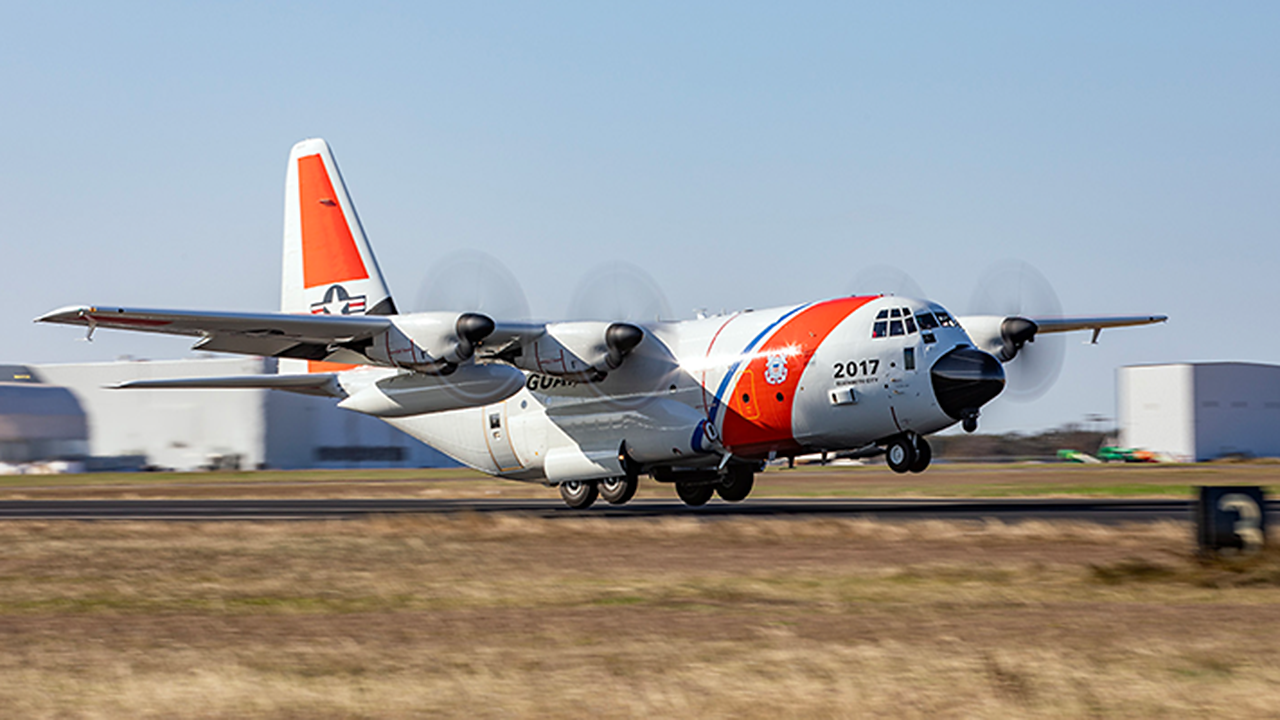
The military strike resulted in three reported fatalities among narco-terrorists aboard the first vessel, while crew members from the remaining two ships abandoned their vessels before follow-on strikes sank them. The Coast Guard began coordinating search and rescue operations Tuesday afternoon immediately after receiving notification from the Department of War about people in the water. In response, officials deployed an HC-130J aircraft from Sacramento, California, to search an expansive area covering more than 1,000 nautical miles. They also issued urgent marine information broadcasts alerting other vessels in the vicinity to assist with rescue efforts. The exact number of survivors who may have escaped from the vessels remains unknown, creating urgency in the ongoing search mission.
By Friday, the Coast Guard had dedicated more than 65 hours to search efforts, demonstrating the significant resources being allocated to locate potential survivors in the vast ocean expanse. The operation has evolved into a collaborative effort, with the Coast Guard working alongside partner nations and commercial vessels, including fishing boats and ships participating in the Automated Mutual-Assistance Vessel Rescue (AMVER) system. These coordinated efforts highlight the complex international nature of maritime security operations and the challenges of conducting search and rescue missions across extensive areas of open ocean. The prolonged search suggests both the difficulty of locating survivors in the vast Pacific waters and the Coast Guard’s commitment to humanitarian aspects of their mission even when dealing with vessels linked to criminal organizations.
This week’s maritime operation appears to be part of a broader campaign against narcotics trafficking, as just one day after the initial strike, U.S. military forces conducted another operation against two vessels allegedly connected to terrorist organizations involved in drug trafficking. That Wednesday operation reportedly resulted in five additional fatalities among suspected narco-terrorists. The consecutive strikes point to intensified U.S. military and law enforcement focus on disrupting maritime drug trafficking routes in the Eastern Pacific, which have long served as major conduits for narcotics heading toward North American markets. These operations suggest a more aggressive stance against groups that blend criminal trafficking enterprises with organizations designated as terrorist entities by U.S. authorities.
The timing of these operations comes during evolving dynamics in regional counternarcotics efforts. Recently, Venezuelan President Nicolás Maduro indicated his country was “ready” to make deals with the United States regarding drugs and oil following military actions. While not directly connected to these specific maritime strikes, such diplomatic signals demonstrate how military operations can sometimes influence broader geopolitical positioning around narcotics control issues in the Western Hemisphere. The interdiction of suspected narco-trafficking vessels represents just one component of complex efforts to disrupt drug supply chains that affect multiple countries throughout the Americas.
As the Coast Guard’s search mission continues, the operation underscores the multifaceted nature of U.S. maritime security operations, which balance law enforcement, military, and humanitarian objectives. The strikes against vessels in international waters demonstrate America’s willingness to extend counternarcotics operations beyond territorial boundaries when pursuing designated terrorist organizations involved in drug trafficking. Meanwhile, the extensive search and rescue efforts highlight the Coast Guard’s commitment to saving lives at sea, regardless of the circumstances that placed individuals in distress. As details continue to emerge about both the military strikes and subsequent rescue operations, this case illustrates the complex interplay between security operations and humanitarian concerns in the ongoing fight against transnational criminal organizations that utilize maritime routes for drug trafficking activities.