

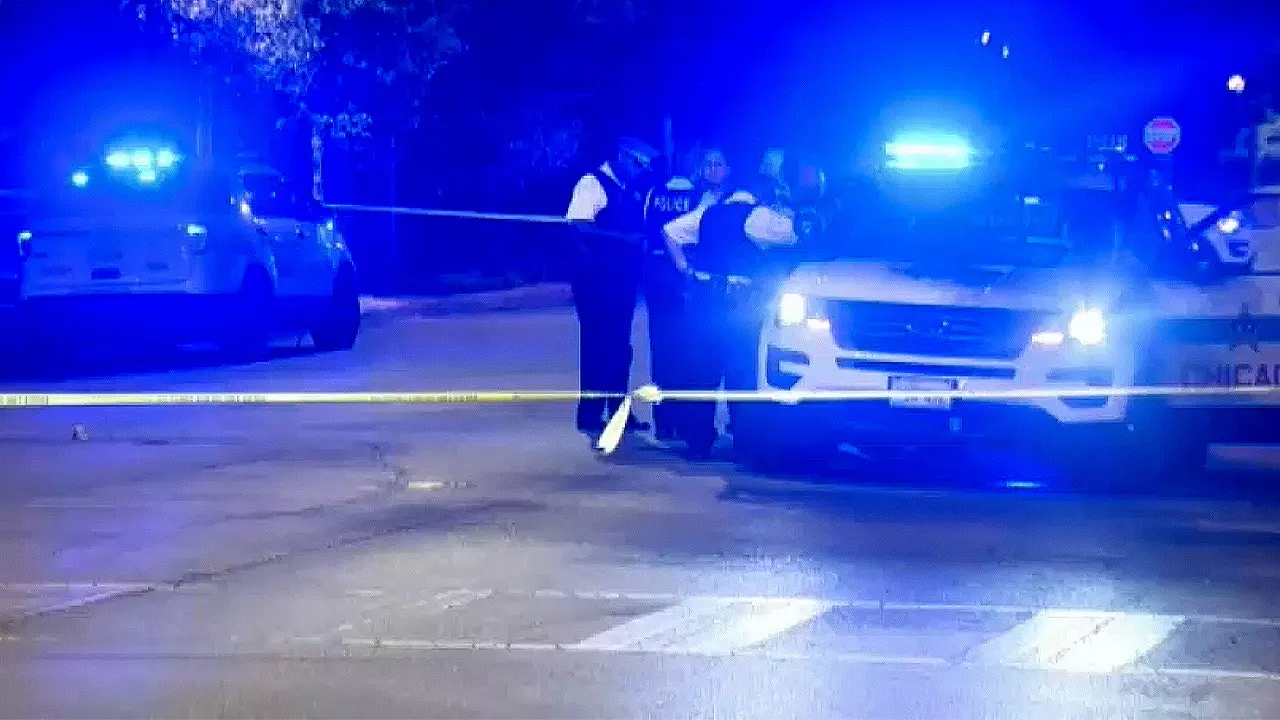
Memorial Day weekend is traditionally heralded across the United States as a time of collective relief, family reunions, and joyful community gatherings, symbolizing the bright and long-awaited transition into the summer season. In Chicago, a majestic metropolis defined by its striking architectural skyline, lush neighborhood parks, and the vast, shimmering expanse of Lake Michigan, this holiday weekend carries a deeply profound significance as residents eagerly shake off the remnants of a long, cold Midwestern winter. Yet, despite the collective yearn for celebration, relaxation, and outdoor recreation, the holiday was marred by a tragic, long-standing systemic issue, with the Chicago Police Department reporting that at least twenty-five people were shot across the city over the long weekend. Behind this cold, rigid statistic lies a deeply human narrative of shattered peace, sudden terror, and the wrenching anxiety of families who found their holiday plans instantly upended by the sharp, unexpected crack of local gunfire. While Chicagoans can find some measure of solace in the fact that there were no confirmed homicides over this specific holiday duration, the sheer volume of non-fatal shootings remains a stark and sobering reminder of the fragile peace that exists in many of the city’s underserved and historically marginalized neighborhoods. Each pull of a trigger leaves a lasting scar that ripples far outward from the immediate victim, affecting nearby neighbors who hear the shots, young children who are traumatized by flashing sirens, and medical professionals who work tirelessly under pressure to save lives. It forces us as a society to confront the reality that for too many citizens, a holiday is not a vacation from fear, but a time of heightened vulnerability, demanding a deeper examination of how we protect the most vulnerable members of our communities and reclaim the public spaces that belong to everyone.
The deeply unsettling vulnerability of the city’s youth was brought to the forefront of public consciousness in the early, quiet hours of Sunday morning, when four teenagers were caught in a sudden cascade of gunfire on Chicago’s West Side. Around three o’clock in the morning, a time when most of the city’s residents were asleep, a fourteen-year-old, two fifteen-year-olds, and an eighteen-year-old were targeted in a sudden act of violence that shattered the tranquility of the night and transformed a typical holiday weekend hangout into a living nightmare. When first responders arrived at the scene, they discovered a chaotic and terrifying situation, finding the four young people suffering from various gunshot wounds before rapidly coordinating emergency medical teams to transport them to a nearby hospital for emergency treatment. While physical trauma can be addressed by skilled emergency room surgeons—and indeed, all four teenagers were fortunately listed in good, stable condition—the deeper, invisible psychological wounds of surviving such an attack will linger for decades to come. To experience the sheer terror of firearm violence at such a tender, formative age permanently alters a young person’s trajectory, replacing standard adolescent worries with a profound sense of hyper-vigilance, sleepless nights, and an enduring mistrust of their surroundings. The suspect behind this heinous act fled the scene immediately alongside several other teenagers, disappearing into the dark city streets and leaving traumatized families sitting in sterile hospital waiting rooms, praying for their children, while a fractured neighborhood grapples with the aftermath of a crime that remains unsolved. This heartbreaking incident exposes the harsh reality faced by modern youth in highly stressed urban environments, where the simple act of gathering outside with peers can rapidly devolve into a struggle for physical survival, underscoring the urgent necessity of societal interventions that protect children from the endless, tragic cycle of gun violence.
The sheer unpredictability and randomness of this urban violence was further highlighted on Sunday evening in the North Austin neighborhood, where a routine car ride escalated into a life-threatening scenario for a thirty-three-year-old driver. As the man was navigating the West Side streets, an occupant driving a golden-colored car suddenly drew a weapon and fired multiple rounds directly into his vehicle, striking him in the left thigh before speeding away into the night as the echoes of gunshots bounced off neighborhood homes. The injured victim was rushed to a local hospital, where medical staff fortunately stabilized him, and he is fully expected to survive the physical wounds inflicted upon him during the random encounter. However, the psychological aftermath of an unprovoked, random shooting while driving is a profoundly difficult burden for any individual to carry, transforming a simple, everyday act like commuting into a source of intense anxiety and trauma. It illustrates a terrifying reality for many Chicago residents: the unsettling knowledge that violence is not always localized or predictable, but can strike anyone, anywhere, at any moment, turning common streets into potential hazards. With no suspects in custody, the shooter remains at large, leaving a cloud of unresolved fear hanging over the North Austin community and fostering a sense of deep insecurity among those who must drive these identical roads daily to support their families. This random act of violence strips away the illusion of suburban and urban safety, showing how easily the lives of ordinary citizens can be completely disrupted by individuals who operate with a chilling disregard for human life and public safety. It emphasizes the critical need for community-wide vigilance, robust investigative resources, and a collective refusal to normalize these sudden acts of violence that threaten the physical and mental well-being of innocent travelers trying to navigate their home city.
Confronted with the historical reality of rising violence during the warmer months, the Chicago Police Department implemented an aggressive, proactive strategy over the Memorial Day weekend, which demanded immense personal sacrifice from its officers. As part of Superintendent Larry Snelling’s comprehensive Summer Safety Strategy, all scheduled days off for active Chicago police officers were canceled, forcing thousands of officers to abandon their own holiday plans, family gatherings, and well-deserved rest to flood the city’s neighborhoods in an effort to deter criminal activity. This operational decision highlights the grueling physical and emotional toll placed on law enforcement personnel, who must step away from their roles as parents, spouses, and community members to stand as a shield against urban chaos, working double shifts on hot city streets. Superintendent Snelling openly acknowledged the immense challenge ahead, warning his team and the public that the upcoming summer could prove to be a rough and exceptionally demanding season for the entire department. Yet, Snelling’s core message remained deeply rooted in a profound love for Chicago, stressing that the true goal of this massive police deployment was to allow citizens to safely enjoy the undeniable beauty, culture, and community of their city without fear of harm. The sacrifice of these officers, who spent their holiday working long shifts under high stress, serves as a poignant reminder of the heavy burden carried by those sworn to protect, demonstrating that combating public safety issues requires not just strategic planning, but a deep human commitment from individuals willing to stand on the front lines of defense. This strategy exposes the ongoing struggle to balance strong, visible policing with the broader, long-term civic efforts needed to heal the systemic social fractures that drive urban crime in the first place, highlighting the complex dance between law enforcement and community trust.
In tandem with police efforts, Chicago Mayor Brandon Johnson delivered an urgent, impassioned plea to the city’s parents and guardians, emphasizing that public safety is not solely the responsibility of law enforcement, but a collective civic duty that begins within the home. Recognizing that Memorial Day marks the unofficial start of summer—a time when unsupervised youth are highly vulnerable to negative street influences—Mayor Johnson implored adults to maintain constant vigilance and actively know where their children are and what activities they are engaging in. To support families in this vital endeavor, the mayor outlined a comprehensive, multi-departmental initiative spanning Chicago Public Schools, local park districts, public libraries, and community centers, all of which have been mobilized to offer a plethora of creative, educational, and athletic programs across every single neighborhood, ensuring no child is left without constructive options. This strategy is designed to provide teenagers with safe, productive spaces where they can thrive, learn, and build positive social connections far away from the dangers of gun violence and gang dynamics that often prey on unoccupied youth. However, Johnson stressed that these government-funded programs are entirely dependent on the active involvement and hard work of parents, who must serve as the primary conduits guiding their children toward these life-affirming opportunities despite the challenging economic realities many working families face. His appeal underscores the complex, symbiotic relationship that must exist between a city’s government and its families, emphasizing that the key to reducing youth involvement in crime is not just policing, but providing robust municipal support systemically backed by loving, attentive supervision at home. By challenging parents to take a hands-on approach, the mayor sought to build a protective and supportive network of community care capable of shielding Chicago’s youth from the tragedies of the streets.
As Chicago navigates the warm summer months ahead, the occurrences of Memorial Day weekend serve as a powerful reminder of both the city’s profound challenges and its boundless resilience. The juxtaposition of Chicago’s breathtaking lakefront beauty against the heartbreaking reality of twenty-five shooting victims underscores a deeply divided urban landscape that is constantly striving for peace, safety, and reconciliation. True progress in curbing this violence will not be achieved through temporary emergency police measures or political rhetoric alone, but through a unified, holistic commitment to investing in the human infrastructure of the city’s most vulnerable neighborhoods. This means addressing the root economic causes of crime, expanding mental health resources for victims of trauma, supporting restorative justice initiatives, and continuing to build bridges of mutual trust between local communities, law enforcement agencies, and the civic leadership. Grassroots organizations, block clubs, and passionate volunteers are already doing the vital work of hosting youth sports leagues and street festivals to reclaim public spaces, demonstrating the fierce love residents have for their hometown. The hope is that by combining state-funded resources, active parental guidance, community-led outreach, and compassionate policing, Chicago can finally break the cycle of seasonal violence that has overshadowed its summers for far too long. Every resident, from the young teenagers recovering on the West Side to the daily commuters navigating North Austin, deserves the right to live, work, and play in a city where safety is a fundamental guarantee rather than a luxury. Ultimately, the story of Chicago is not one of tragedy, but of an enduring, vibrant community spirit that refuses to let fear define its neighborhoods, working tirelessly toward a future where every summer is defined by joy, safety, peace, and collective thriving.