






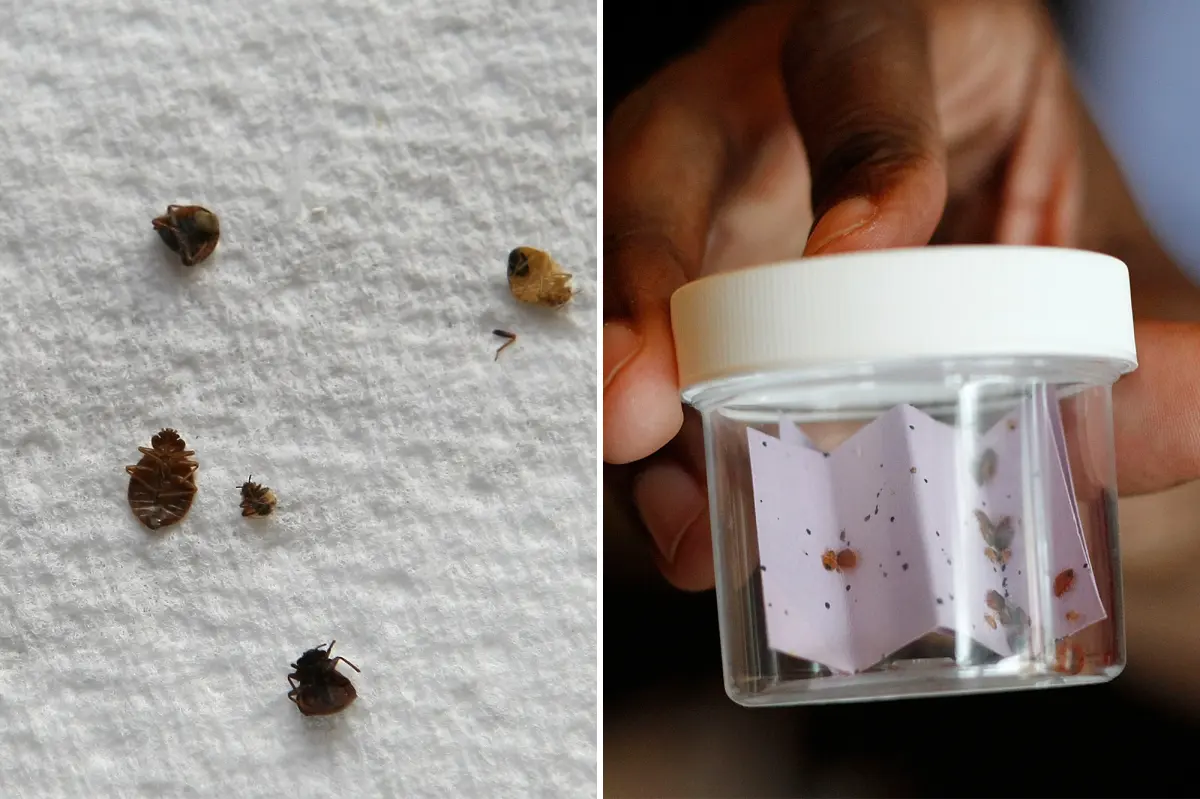
It seems the Windy City has blown in an unwelcome guest once again. Chicago has officially topped the nation’s most frustrating list, reclaiming its spot as the number one US city for bedbug infestations per capita. According to pest control giant Orkin’s 2026 Bed Bug Cities List, Chicago’s dense apartment buildings, constantly rotating population of residents and travelers, and sweltering summer temperatures create the absolute perfect breeding ground for these tiny, blood-sucking pests. While Chicago took the crown, it is far from alone in this itchy epidemic; Los Angeles, Detroit, Cleveland, and Indianapolis rounded out the top five, proving that these critters are making themselves right at home in major metropolitan hubs across the country.
If you live in the Heartland, you might want to double-check your mattress seams tonight. The Midwest has officially been dubbed the most bedbug-ridden region in the entire country. Ohio, in particular, bears the heaviest burden this year, earning the title of the most represented state on Orkin’s list with a staggering six cities ranking in the top 50, including both Cleveland and Columbus landing squarely in the top ten. However, these pests are also expanding their territory to new vacation hotspots. Cities like Kansas City, Tampa, and the popular coastal getaway of Myrtle Beach have all made their debut in the top 50 this year, serving as a stark reminder that no destination is entirely safe from an outbreak.
According to Dr. Shannon Sked, Orkin’s entomologist and national technical director, our love for travel is directly fueling the fire. While vacation season brings exciting adventures and well-deserved relaxation, it also demands a high level of vigilance. Bedbugs are incredibly resilient, master hitchhikers that feed on human blood by effortlessly clinging to suitcases, backpacks, and clothing. Dr. Sked warns that a rise in a city’s bedbug population is often driven by shifting travel trends, public awareness gaps, and the worrying rise of treatment-resistant strains of the insects, which make professional eradication harder than ever before.
The biggest challenge in dealing with these tiny invaders is their uncanny ability to stay out of sight. Fully grown adult bedbugs measure a mere 3/16 of an inch long, while their younger nymphs are virtually microscopic, allowing them to easily squeeze into the tiniest cracks, crevices, baseboards, and luggage seams. Because they are so adept at hiding, most people have absolutely no idea they have brought these pests home with them. Instead, the horrifying realization usually only sinks in days or weeks later, when they wake up to find lines of itchy, red welts scattered across their arms, legs, and backs.
To keep your home from becoming the next statistic, experts strongly advocate for proactive prevention, especially when you are on the move. Dr. Sked recommends performing a quick, thorough inspection of your hotel room or Airbnb before you even think about unpacking your bags. Elevate your luggage on a rack away from the walls, pull back the bedsheets, and use your phone’s flashlight to check the seams of the mattress, headboard, and nearby furniture for any signs of tiny reddish-brown bugs or dark spots. Taking just five minutes to inspect your surroundings can mean the difference between a dream vacation and bringing home a costly, sleepless nightmare.
Ultimately, keeping these pests at bay requires a mix of public education and personal diligence. As bedbugs continue to adapt and resist traditional pesticide treatments, staying informed is our best line of defense. By normalizing mattress inspections, washing travel clothes on high heat immediately upon returning home, and acting quickly at the first sign of an itch, we can protect our homes. While cities like Chicago and Cleveland may currently be fighting an uphill battle, a little extra awareness can go a long way in ensuring your next trip doesn’t come with any unwanted, six-legged souvenirs.