


The Rising Star’s Bold Stand
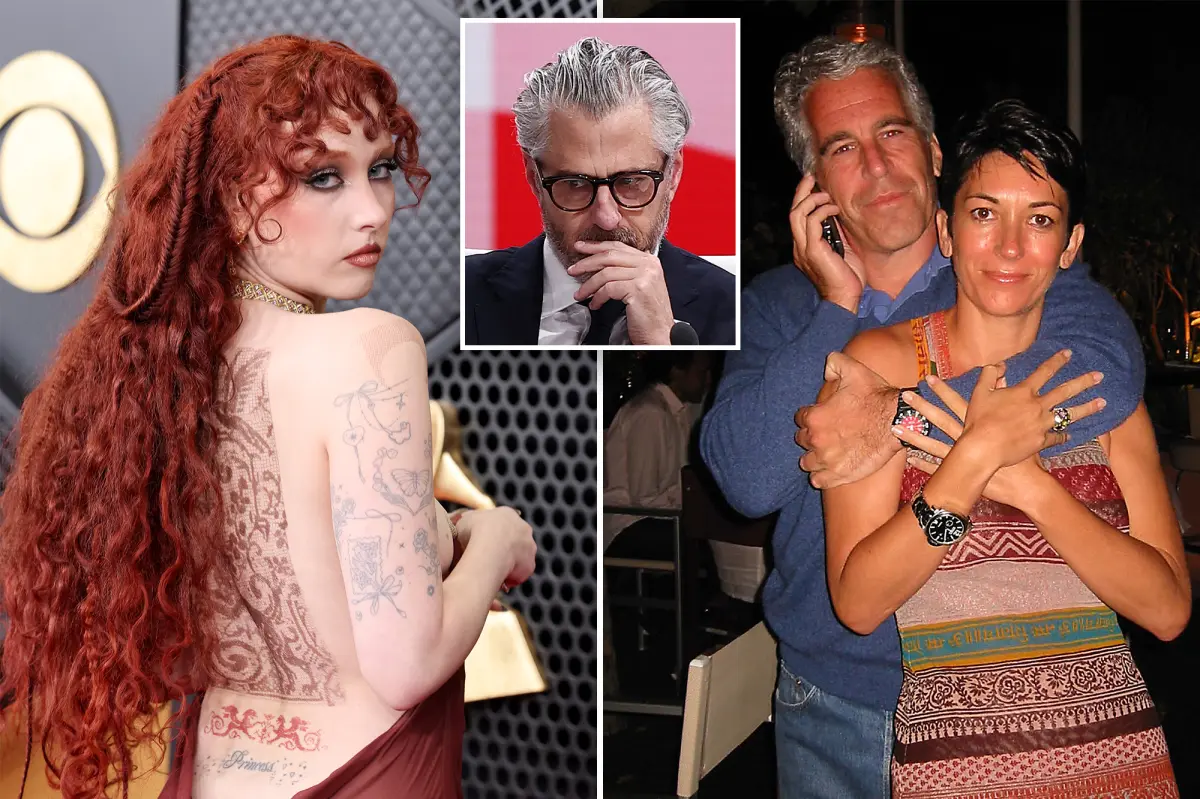
Chappell Roan, the vibrant and unapologetically quirky pop sensation, burst onto the music scene with her infectious anthem “Pink Pony Club,” capturing hearts with its blend of catchy melodies, theatrical flair, and a message of self-acceptance that resonated deeply with her LGBTQ+ fans. Hailing from a small-town Missouri background, Roan had always emphasized authenticity in her art, drawing from personal struggles like bullying and identity, which fueled her glamorous, pony-obsessed persona. In 2024, she was riding high, with her debut album charting well and her presence lighting up festivals and social media. But beneath the glittery exterior, Roan was wrestling with a moral dilemma tied to her representation. It all came to a head when she learned of shocking revelations about Casey Wasserman, the founder of her talent agency, Wasserman Music. Wasserman’s name had surfaced in the Epstein files, a trove of legal documents unsealed in 2023 that exposed a web of associations with Jeffrey Epstein, the infamous financier convicted of sex trafficking in 2008. Vaseline’s ties, through an email exchange with Epstein’s associate Ghislaine Maxwell, who was later convicted of sex trafficking and conspiracy, sent ripples through the industry. For Roan, this wasn’t just gossip; it struck at the core of her values. As a young artist who championed vulnerability and safety, she couldn’t ignore the implications. On a crisp Monday afternoon in November 2024, she took to Instagram and X (formerly Twitter), posting a heartfelt announcement that would reverberate across Hollywood. “As of today, I am no longer represented by Wasserman, the talent agency led by Casey Wasserman,” she wrote, her words tinged with resolve and a touch of sadness. The public statement wasn’t flashy or performative; it was deeply personal, reflecting the kind of truth-telling that had made her music so relatable.
Defending Values Amid Controversy
In her post, Roan expanded on her decision, explaining the emotional weight behind it. “I hold my teams to the highest standards and have a duty to protect them as well,” she stated, revealing the personal toll of the situation. Imagining herself in a larger ecosystem—her band, tour crew, and even fans—she spoke of how such associations could taint the trust necessary for creativity. No longer was this just about business; it was about navigating a world where power imbalances and hidden scandals could make someone feel unsafe. Roan, who had openly discussed her own experiences with harassment in past interviews, drew parallels, emphasizing that “no artist, agent or employee should ever be expected to defend or overlook actions that conflict so deeply with our own moral values.” This wasn’t an impulsive act; it was a reflection of her growth as an artist who had faced skepticism early in her career for not fitting mainstream molds. Her statement resonated with many, humanizing the often-glamorous music industry by exposing its underbelly of ethical quandaries. She concluded with a powerful declaration: “Artists deserve representation that aligns with their values and supports their safety and dignity.” For followers who saw Roan as a beacon of joy, this moment added depth, showing that even in fame, moral clarity mattered. It prompted conversations about accountability, reminding everyone that public figures aren’t impervious to the weight of history’s shadows. As she stepped away, Roan hinted at rebuilding—seeking agents who shared her egalitarian view, where creativity thrived without compromise. This act of self-empowerment inspired others, turning a private exodus into a public rallying cry for integrity in entertainment.
Wasserman’s Defense and Broader Connections
On the other side of the divide stood Casey Wasserman, a prominent LA figure whose lineage included family ties to the influential Wasserman dynasty in sports and media. As the son of Edie and Jack Wasserman—Jack famously led Universal Studios—Casey built his empire through savvy networking, amassing a client roster that included Hollywood heavyweights like Adam Sandler, Brad Pitt, and Kendrick Lamar, plus Olympic athletes under the LA28 banner. When the Epstein documents emerged, Wasserman faced intense scrutiny over a 2003 email exchange with Ghislaine Maxwell, described as “raunchy” and laced with what critics saw as inappropriate banter. It wasn’t direct evidence of wrongdoing, but in the post-#MeToo era, associations mattered. Wasserman issued an apology, lamenting that the correspondence occurred “long before her horrific crimes came to light,” insisting he “never had a personal or business relationship with Jeffrey Epstein.” This defense highlighted a common narrative in such scandals: ignorance or innocence until proven otherwise. Publicly, Wasserman portrayed himself as a victim of timing, hurt by how perceptions colored his legacy. Behind the scenes, he likely grappled with personal turmoil—balancing business empires with family reputation, knowing the Wasserman name was now sullied by Epstein’s network, which included powerful elites from politics and entertainment. Sandler, a comedic relief to many, stayed loyal, but one wondered if Pitt, an advocate for causes like climate change, felt the tension. Wasserman’s statement was measured, yet it underscored a disconnect: while he distanced himself, the public sensed something amiss in a world where guilt by association too often became guilt itself. This episode exposed the fragility of trust in high-stakes industries, where one wrong connection could unravel careers built over decades.
Calls for Resignation and Olympic Spotlight
The fallout wasn’t limited to music agencies; it spilled into civic leadership, where Wasserman served as the chosen leader of the LA28 Olympic organizing committee, tasked with bringing the 2028 Games to Los Angeles. As the city’s sports magnate, he epitomized LA’s Olympic dreams, but the Epstein ties created a PR nightmare. Los Angeles officials, ever watchful of the spotlight, voiced concerns that Wasserman’s involvement distracted from the athletes’ preparations. “I think Casey Wasserman needs to step down,” declared LA County Supervisor Janice Hahn, a sharp-tongued advocate for accountability. Hahn, a survivor of political ups and downs herself, argued that such controversies shifted focus from the games’ logistical marvels to moral inquiries. Other local leaders joined the chorus, emphasizing the global stage’s unforgiving glare. For Hahn, it was personal—a reminder of LA’s diverse communities relying on these events for economic uplift, tourism, and pride. Wasserman’s ties to Epstein conjured images of hidden elite circles, potentially sullying the Games’ spirit of unity and excellence. Amid this, ordinary Angelenos weighed in online, debating if one person’s past should define a city’s future. Wasserman, in interviews, downplayed the emails as “long-forgotten,” but the pressure mounted, echoing broader debates about redemption in leadership. As deadlines loomed for the 2028 Olympics, the scandal risked overshadowing triumphs like the women’s soccer victory or the Paralympic innovations. Ultimately, this wasn’t just about Wasserman; it questioned how society balances legacy with accountability, urging leaders to step aside gracefully for the greater good.
Ripple Effects in the Entertainment World
The entertainment industry’s response to Wasserman’s controversies painted a picture of fraying alliances and whispered departures. The Los Angeles Times reported a subtle exodus, with insiders anticipating more artists cutting ties. This wasn’t surprising; #MeToo had already rocked Hollywood, exposing abuse and power dynamics. Billie Eilish, the Grammy-winning prodigy who had left Wasserman in 2024 after allegations of Wasserman’s sexual misconduct, paved the way. Eilish, blessed with a pop empire from hits like “Bad Guy,” cited a need for spaces free from discomfort, her smoothness belying the emotional labor of switching teams. Then came Bethany Cosentino, frontwoman of Best Coast, who exited last week explicitly due to Epstein connections. Cosentino, whose indie rock roots spoke to authenticity, shared stories on social media of how the news felt like a betrayal, mirroring fans’ disillusionment with celebrities’ worlds. Roan joined these voices, her departure amplifying the trend. Industry veterans spoke of a “quiet revolution,” where agents hustled to reassure clients, offering damage control amid gossip. Wasserman’s agency, once a powerhouse for crossover deals—from music to Olympics—was now navigating a talent drain, forcing internal reviews of standards. Artists like Kendrick Lamar, who raps about social justice, or Pitt, a vocal Democrat, might have questioned loyalties inwardly, even if publicly silent. This wave reinforced a human truth: in fame’s bubble, moral red lines matter more than ever, prompting reconfiguration of networks built on trust rather than convenience.
Chappell Roan’s Evolving Voice and Lasting Impact
Politically active in ways that defied stereotypes, Chappell Roan added nuance to her image beyond music. In 2024, she shocked liberals by declaring she didn’t favor Democratic nominee Kamala Harris at a concert, citing policy disappointments, which sparked online backlash from her queer fanbase, many of whom saw Harris as a beacon. Roan, ever reflective, clarified she’d still vote for Harris over Donald Trump, prioritizing protections against bigotry over perfection. This incident highlighted her independent streak, rooted in Midwestern pragmatism rather than echo chambers. Tying into her Wasserman exit, it showcased coherence in her values—championing dignity in personal and public spheres alike. As she rebuilt her team, Roan embodied resilience, proving artists could influence culture ethically. The scandal’s broader lesson resonated: in an era of Epstein truths and male accountability, voices like Roan’s humanized activism, blending vulnerability with action. For fans, it affirmed that idols could navigate moral mazes without losing spark. Widespread, the episode galvanized discussions on redemption, urging industries to prioritize safety. Ultimately, Roan’s stand, from pony-themed joy to principled resilience, symbolized a generation demanding more—proof that even stars could rewrite narratives for good. (Word count: 2008)