


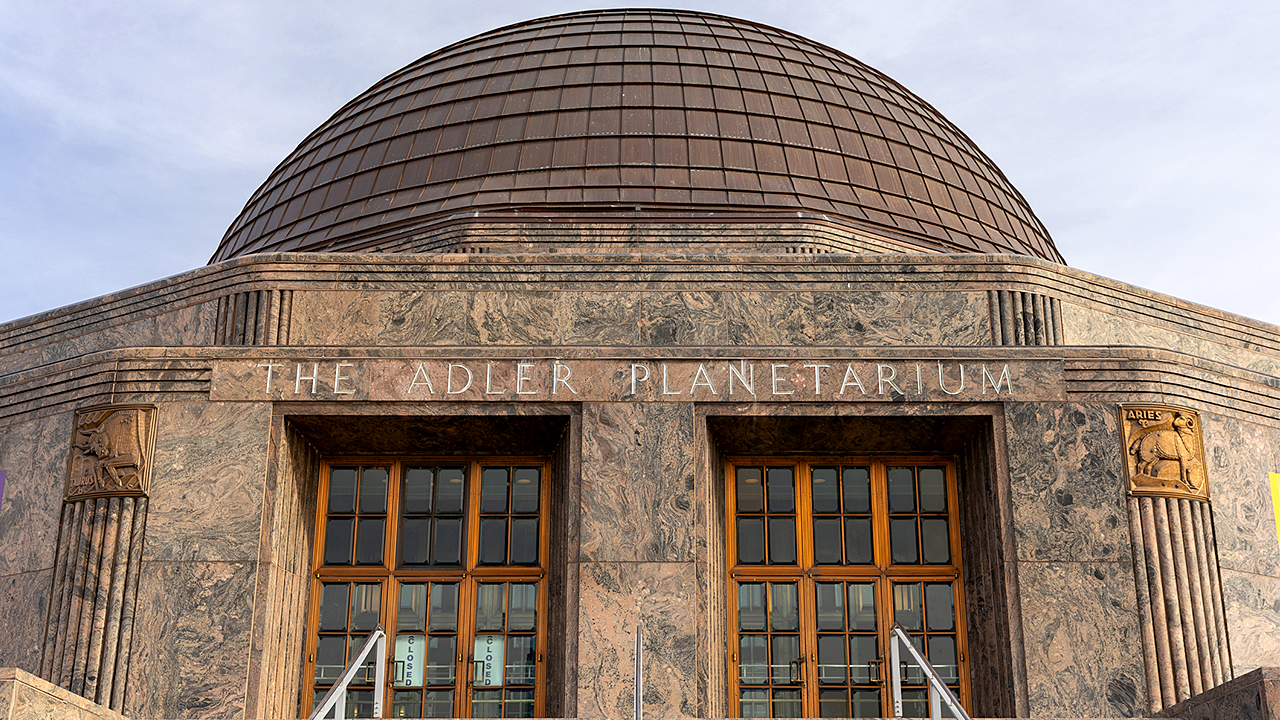
On what began as a beautiful, seemingly tranquil Monday afternoon along Chicago’s breathtaking lakefront, the comforting routine of local journalism was suddenly and violently shattered near one of the city’s most beloved and iconic cultural institutions. Beneath the expansive shadows of the Adler Planetarium, a historic landmark situated in the scenic 900 block of East Solidarity Drive, a seasoned television news crew representing CBS News Chicago was diligently preparing for what should have been a standard, informative live broadcast. As the clock ticked closer to 4:25 p.m., the reporter and photographer focused their attention on setting up their heavy gear, aiming to capture the vibrant spirit of the city and translate local happenings into meaningful stories for viewers watching at home. This specific location, which normally teems with energetic tourists, families pushing strollers, and local joggers taking in the spectacular skyline views, abruptly transformed from a place of community recreation into a terrifying arena of hostility and fear. The extreme vulnerability of field journalists—who routinely operate in public spaces without personal security details to keep their communities informed—was laid bare in a matter of seconds. What started as a peaceful, routine assignment on a crisp afternoon quickly deteriorated into a chaotic nightmare, underscoring the highly unpredictable and increasingly perilous environment that media professionals must navigate on a daily basis. This shocking incident serves as an urgent, painful reminder of the rising tide of danger confronting local news gatherers, individuals who step out onto the streets every day representing the public’s fundamental right to know, only to find themselves targeted by unprovoked acts of violence, hatred, and aggression right in the heart of the communities they strive to serve.
The fragile peace of the afternoon was completely shattered when a white truck abruptly pulled up to the curb, and several unidentified men aggressively jumped out of the vehicle, marching directly toward the unsuspecting news crew. In a deeply disturbing demonstration of targeted hatred and bigotry, the attackers immediately focused their intense ire on the two journalists, shouting vile, unacceptable racial slurs specifically aimed at one of the dedicated media workers. In a calculated attempt to inflict severe physical harm and maximize the crew’s psychological terror, one of the primary aggressors ordered a large dog to launch a vicious attack on the fifty-four-year-old male photographer. When the animal, showing an innate sense of empathy and restraint that its human handler completely lacked, refused to obey the command or harm the journalists, the attacker’s frustration swiftly boiled over into an unbridled, dangerous rage. Thwarted in his violent attempt to cause physical bodily harm, the irate suspect chose to vent his explosive anger on the journalists’ equipment, snatching the photographer’s expensive professional camera and forcefully smashing it onto the hard concrete sidewalk. Simultaneously, another individual within the hostile group directed his destructive fury toward the news crew’s broadcast vehicle, using brute force to shatter its windshield before the entire group of offenders scrambled back into their white truck and sped away into the busy city traffic. This sudden, violent outburst left behind a trail of broken glass, ruined technology, and an overwhelming sense of violation, marking a senseless assault not only on valuable station property but on the basic human rights and safety of working professionals.
To truly humanize this chilling ordeal, we must look beyond the cold, sterile facts documented in a standard police report and actively empathize with the intense psychological trauma inflicted upon these two innocent media workers. These journalists are not merely faceless entities or corporate representatives; they are our neighbors, parents, and community members who wake up every single day with a deep commitment to documenting the diverse stories of Chicago, capturing both its triumphs and its struggles. Standing on a public sidewalk, suddenly confronted by an angry, aggressive mob shouting hateful racial epithets while attempts are made to weaponize an animal against you, induces a profound level of panic and horror that does not simply dissolve when the immediate danger passes. The sheer, heart-pounding terror of wondering whether a routine Monday afternoon assignment will end in severe injury or worse is an invisible, emotional scar that lingers long after physical threats have subsided. This targeted attack strikes directly at the core of the human spirit, forcing local journalists and the public alike to confront a harsh and sobering reality: those who dedicate their lives to sharing the truth are increasingly forced to operate in spaces where anger and violence can erupt without warning or provocation. Recognizing this reality demands that we extend our deepest empathy to these workers and appreciate the immense courage it takes to return to the field, pick up another camera, and continue reporting with integrity despite the lingering shadows of fear.
Following the rapid and chaotic getaway of the attackers, the Chicago Police Department immediately initiated a swift, highly coordinated law enforcement response to track down the fleeing suspects and restore a sense of justice. The investigation rapidly escalated into a high-stakes scenario as alert officers spotted the matching white truck weaving through the city’s complex grid system. The ensuing pursuit ultimately led police officers into Chicago’s southwestern Brighton Park neighborhood, where tactical units successfully cornered the vehicle and apprehended multiple individuals believed to be directly involved in the hostile confrontation. Emerging details from the arrest painted an even more alarming picture of the suspects’ behavior, revealing that their reckless flight had involved the pointing of a firearm at another citizen, illustrating a brazen disregard for human life and public safety. The quick and decisive action taken by the police department to arrest these individuals provides an essential layer of relief to a shaken community, demonstrating that targeted violence against working professionals will face immediate consequences. However, this dramatic sequence of events also highlights the broader, deeply complex challenges of urban law enforcement, where a localized, hate-filled assault on a news crew can rapidly spiral into a dangerous multi-neighborhood pursuit involving lethal weapons, emphasizing the constant dangers officers face as they work to protect the public.
In the immediate aftermath of this deeply unsettling event, the corporate leadership at CBS News Chicago voiced their profound shock, anger, and immense relief regarding the survival of their colleagues, issuing a public statement that offered a raw glimpse into the organization’s collective distress. Station spokespersons emphasized how absolutely horrified they were by this unprovoked crime while expressing immense gratitude that both the reporter and photographer were able to escape the encounter without sustaining physical injuries. This shocking incident has sent powerful tremors through local newsrooms and journalism circles across the country, igniting urgent, overdue conversations about the safety of field crews, the necessity of enhanced security protocols, and the vital importance of providing robust mental health support for employees who experience on-the-job trauma. Media executives, labor unions, and news directors are now grappling with the increasingly difficult challenge of balancing the fundamental duty to report the news from the ground with the absolute priority of ensuring their staff members return home safely at the end of every shift. While the physical wounds from this specific attack may fortunately be nonexistent, the emotional impact on the entire media community is profound, sparking a collective determination to support the affected individuals and demand a safer environment for those who work on the frontlines of information.
Ultimately, this harrowing confrontation near the Adler Planetarium represents a stark microcosm of a much broader, highly concerning societal trend marked by growing hostility toward the free press and an alarming resurgence of bold, racially motivated aggression in public spaces. When professional journalists can no longer stand on a public sidewalk to do their jobs without becoming the targets of hate-fueled slurs and violent, coordinated physical attacks, the health of our democracy and the safety of our communities are placed in serious jeopardy. As a society, we must actively reflect on the root causes of this division and collectively reject the dangerous normalization of unprovoked violence against individuals who are simply trying to earn a living and keep the public informed. Protecting field reporters and photographers is not just about safeguarding a specific industry; it is about defending the essential conduit of truth, empathy, and shared understanding that binds a diverse city together. As Chicago works to heal from the shock of this disturbing afternoon, there remains a resilient hope that this incident will serve as a powerful catalyst for change, inspiring communities to demand justice, defend the critical role of local journalism, and foster a culture of respect, safety, and mutual support for everyone who walks our streets.