



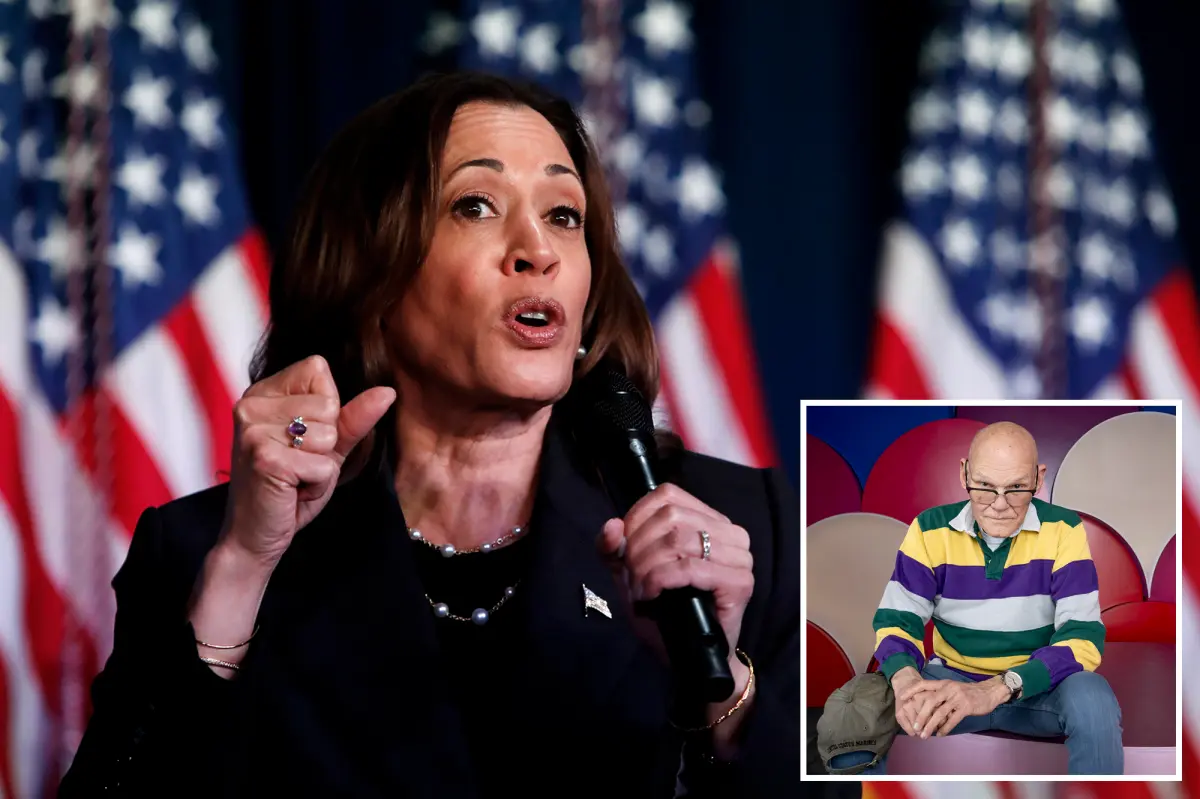
In the unforgiving, high-velocity arena of modern American politics, the line between historic triumph and public obsolescence is devastatingly thin, a reality that former Vice President Kamala Harris is currently navigating in the quiet aftermath of the 2024 presidential election. When she stepped into the vacancy left by President Joe Biden’s sudden withdrawal from the race, she was greeted with an almost ecstatic wave of relief and optimism from a Democratic Party desperate for renewal and energy. Yet, the initial euphoria proved short-lived, culminating in a historic and sobering loss to Donald Trump that shattered her supporters’ aspirations and triggered an immediate, clinical post-mortem of her candidacy. In the wake of this defeat, a chorus of voices from within her own political family has begun to swell, urging her not to plan a future comeback but to gracefully exit the national spotlight so that new, unburdened leadership can step forward for the 2028 election cycle. This painful turning of the page illustrates the brutal, transactional nature of political loyalty, where yesterday’s pioneer can quickly become framed as today’s strategic obstacle, leaving Harris at a profound emotional and professional crossroads as she contemplates her next move.
The delicate question of her political viability and the uncomfortable truth of her campaigning style were laid bare during a recent episode of the Politics War Room podcast, hosted by veteran Democratic mastermind James Carville and his seasoned co-host, Al Hunt. The conversation was sparked by an insightful inquiry from an international listener named Charles, writing all the way from New Zealand, who questioned why the consensus had shifted so sharply against Harris. Charles wondered if the narrative might have been entirely different had Joe Biden stepped aside a year earlier, granting Harris the runway to establish herself through a robust, full-length primary campaign. However, Hunt immediately rejected this optimistic hypothetical, offering a cold and unyielding assessment of Harris’s historical performance on the campaign trail. Hunt pointed back to her ill-fated 2019 presidential primary bid—which imploded before a single ballot was ever cast due to messaging struggles and internal campaign friction—as evidence that her weaknesses as a candidate were foundational rather than situational. In Hunt’s view, a prolonged primary process a year prior would not have resulted in a triumphant coronation for Harris, but rather an open, highly competitive contest where her campaign flaws would have been exposed even sooner, likely leading to the rise of a different nominee altogether.
James Carville approached the subject with his trademark mixture of razor-sharp candor and a deeply human, protective pragmatism that sought to shield Harris from unnecessary self-flagellation. While he did not pull his punches regarding the campaign’s financial strategy, previously calling their historic budget the “most ineffective two billion dollars ever spent,” he chose to reframe her life’s work not through the bitter lens of her recent loss, but as an extraordinary monument of public service. Carville passionately outlined her trajectory, reminding listeners that she had climbed the ladders of American power with a success rate that borders on the miraculous. From serving as the district attorney of San Francisco to becoming the attorney general of California—the nation’s most populous and influential state—and then ascending to the United States Senate and eventually the Vice Presidency under Joe Biden, Harris built a resume of staggering proportions. Carville noted with a sense of awe that well over ninety-nine percent of all aspiring politicians would readily sacrifice their right arms to enjoy even a fraction of such a successful career, emphasizing that she had already won the ultimate lottery of American public life by getting a genuine shot at the presidency.
Yet, despite this sterling record, Carville was unequivocal in his belief that the Democratic Party must permanently close the book on the 2024 chapter, urging Harris to internalize her achievements and gracefully slip away from future electoral ambitions. The collective exhaustion of the party’s base and its leadership has created a powerful, unspoken consensus that returning to the themes, strategy, and figures of the recent defeat would be politically disastrous. Carville explained that this aversion is not rooted in a dislike of Harris as an individual, but rather in a desperate, psychological need for a clean slate and a clean break from the anxieties of the past few years. By advising her to “exit stage left, stage right, I don’t care,” Carville highlighted the necessity of a dignified departure, arguing that forcing a comeback for 2028 would only invite a painful, divisive primary that would tear at the seams of her legacy. For Harris, accepting this reality requires a profound act of personal grace: recognizing that her journey at the absolute pinnacle of electoral politics has come to its natural end, and that protecting her place in history means resisting the temptation to fight battles that the electorate no longer wishes to fight.
To ensure this exit is not seen as a defeat but as a transition to a different form of high-level service, Carville floated an intriguing and potentially transformative path for Harris’s future: a nomination to the Supreme Court of the United States. This suggestion cleverly bridges her deep background in the legal system with her current status as an elder statesman of the Democratic Party, offering a prestigious and highly influential arena far removed from the exhausting theater of modern political campaigns. Given her extensive background as a prosecutor and attorney general, she possesses the judicial rigor and executive experience that could bring a unique, grounded perspective to the nation’s highest bench. Carville’s colorful, expletive-laden critique of the current conservative-majority Supreme Court underscored the frustration shared by many Democrats, positioning Harris as a potential champion who could restore balance and progressive legal scrutiny to the judiciary. This prospective path offers a powerful redemption narrative, suggesting that her ultimate contribution to the country might not lie in the executive branch, but in the quiet, enduring halls of justice where her decisions could shape the fabric of American law and society for generations to come.
Ultimately, the silence from Harris’s office when reached for comment by journalists serves as a poignant reminder of the human element that is so often forgotten in the relentless, 24-hour political news cycle. Behind the grand strategies, the polling data, and the public pronouncements are real people who must privately process the heavy toll of exhausting campaigns, public scrutiny, and deep disappointment. This period of quiet reflection is not a sign of weakness, but a necessary space for Harris to heal, reflect, and decide how she wishes to write her own final act on her own terms. Whether she chooses a quiet life of advocacy, writes books, mentors the next generation of progressive leaders, or positions herself for a future judicial appointment, her place as a historic trailblazer is already permanently secured. By listening to the candid, well-meaning advice of veteran party voices like Carville and Hunt, she can avoid the grueling, repetitive cycle of electoral ambition and embrace a future where her legacy is defined not by how her last campaign ended, but by the doors she broke open for those who will follow in her footsteps.