

A Night of Chaos Unfolds in a Bustling Bar District
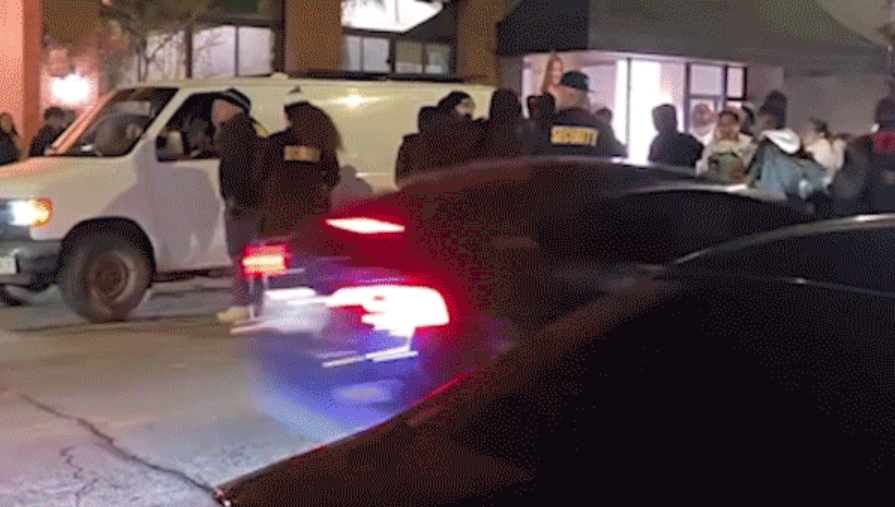
Imagine a typical Friday night turning into a scene out of a nightmare in the heart of downtown Redlands, California. Picture the vibrant pulse of The Underground, a popular restaurant and bar where locals and visitors flock for drinks, laughter, and the kind of lively banter that often defines weekend evenings. It’s just after midnight on Saturday, edging toward Sunday, and the street outside is alive with people—friends sharing stories, couples holding hands, and lone patrons enjoying the crisp night air. Tensions run high in this area, known affectionately yet cautiously as a spot where the party from other establishments spills over. Folks who get booted out of nearby bars often migrate here, adding layers of unpredictability to the mix. Families like Bruno, whose nearby business bears the scars of past disturbances, call this neighborhood home. On this fateful night, what’s supposed to be a simple social gathering ignites into something far more dangerous. An altercation erupts among several patrons—perhaps over something trivial like a spilled drink or a heated exchange of words, escalating quickly as emotions flare. Voices rise, fists might be raised, and the group separates in haste. One key player, fueled by adrenaline and rage, hops into his sleek 2022 Tesla and peels out, tires screeching in the distance. But peace is illusory; minutes later, the car circles back, barreling straight into the crowd assembled on the street. It’s a moment of pure pandemonium—bystanders freeze or dive for cover, screams pierce the air, and bodies are flung like ragdolls as the vehicle strikes four unsuspecting souls who were simply standing there, chatting or lighting cigarettes. The impact is brutal, bones crunching against metal, pain exploding through limbs as victims crumple to the pavement. Witnesses describe the horror: a mother clinging to her daughter’s arm, a young man shielding his friends, hearts pounding with terror as they replay that split-second decision to scatter. The driver, losing control in the aftermath, slams into a curb with a deafening thud, the Tesla shuddering but miraculously speeding away, trailing a slick of leaking fluids that glistens under the streetlights. In this chaos, emotions run raw—shock gives way to fear, then anger, as people help one another up, checking for injuries amid the dust and debris. Families nearby worry about loved ones out late, glued to news updates, while emergency sirens wail in the distance, a familiar yet unsettling soundtrack in a town where such disturbances aren’t strangers. This isn’t just a statistic on a police report; it’s the shattering of a community’s illusion of safety, reminding everyone of the fragility of a night meant for fun.
The Gunfire Erupts, Adding to the Mayhem
As the dust settles from the initial crash, the night takes an even darker turn, escalating into a powder keg of gunfire that leaves no one untouched by fear. The hit-and-run has already scattered the crowd, with injured individuals groaning on the ground, blood staining the asphalt, and frantic calls for help echoing through the street. But then, in what feels like an instant yet eternal heartbeat, an unknown suspect—perhaps another participant in the earlier altercation, or a bystander driven by misplaced bravado—draws a weapon. Shots ring out in rapid succession, a flurry of bullets shattering the calm that follow a catastrophe. Witnesses recall the sharp cracks, the air smelling of gunpowder and panic, as the gunfire shatters the window of Bruno’s business across the way, glass exploding inward like confetti from hell, scattering shards that could have been deadly. The door of another establishment bears the brunt too, bullets puncturing its frame, leaving holes that symbolize the senseless violence invading everyday spaces. Miraculously, no one is struck by the gunfire itself—no stray bullets find flesh in this barrage—but the psychological toll is immeasurable. Imagine the sheer terror of huddling behind overturned tables or in dark alleys, hearts racing, tears streaming as parents frantically text children to stay indoors, or elderly residents peering through blinds, haunted by memories of past unrest. For Bruno, whose livelihood has been attacked again, it’s a bitter reminder of the risks of owning a business in this volatile neighborhood; he’s patched up windows before after similar flare-ups, each incident chipping away at his spirit. The gunfire adds layers of trauma—survivors describe the adrenaline rush, the helpless crouching, the prayers whispered under breaths. It’s a stark human element, where the sound of shots erases conversations, turns smiles into screams, and forces entire blocks to confront the reality that peace can evaporate in seconds. Communities like Redlands, often proud of their small-town charm, now grapple with a rising tide of incidents, wondering if this is the price of weekend revelry or something deeper simmering beneath the surface of American nightlife. This isn’t mere reporting; it’s the pulse of fear in veins, the collective intake of breath that unites strangers in survival mode.
Victims’ Struggles and Community Response
In the immediate aftermath, the focus shifts to the human cost of this orchestrated chaos—four individuals rushed to the hospital, their lives altered in an instant, grappling with serious injuries that range from broken bones to internal contusions. Think of them as ordinary people caught in the wrong place at the worst time: perhaps a young bartender heading home after her shift, leaning on a street sign for a breather; a group of friends celebrating a birthday, oblivious to the malice lurking nearby. The hit-and-run victims endure excruciating pain—limbs twisted at unnatural angles, skin scraped raw against pavement, heads throbbing from the impact—as paramedics arrive with flashing lights and urgent shouts, stabilizing them on the scene amidst the lingering acrid scent of leaking fluid from the fleeing Tesla. Families wait anxiously in hospital waiting rooms, pacing floors worn thin by worry, clutching phones for updates while recalling fond memories of loved ones who were just out for a harmless night. Nurses and doctors work tirelessly, their own fatigue masked by professionalism, as they treat bruises, set fractures, and monitor for shock, offering words of comfort that can’t erase the trauma. Bystanders who escaped unscathed bear invisible scars, recounting how they helped strangers to safety or comforted weeping onlookers, turning the incident into a tragic tale of neighborly heroism. The Redlands police, ever vigilant in this hotspot of disturbances, arrive swiftly, cordoning off the scene with yellow tape that flaps in the night breeze, collecting statements from shaken witnesses who describe the Tesla’s roar and the sudden spray of gunfire. No arrests yet, but the investigation is meticulous, delving into video footage from nearby cameras and piecing together the altercation’s origins—likely rooted in heated words that spiraled out of control. For the victims, recovery is a marathon, both physically and emotionally; physical therapy looms, counseling sessions beckon, and sleepless nights replay the moment of impact. Yet, in this vulnerability, stories of resilience emerge: support from communities rallying with fundraisers, messages of solidarity flooding social media, and acts of kindness like meals delivered to hospital bedsides. This episode humanizes tragedy, showing not just the horror of vehicular terrorism but the enduring strength of those who pick up the pieces, reminding us that even in darkness, compassion can light the way.
Echoes of Past Incidents and Local Context
Delving deeper into the story reveals a pattern that troubles Redlands residents, painting a picture of an area caught in a cycle of unrest that feels all too familiar. Bruno, the business owner whose window now lies in wreckage for what he says is not the first time, shares his anguish with local media like Fox 11 Los Angeles, recounting previous disturbances that have made his modest shop a target. He describes a community weary yet resilient, where shopkeepers like him board up windows on weekends, knowing the risks of operating near The Underground. This isn’t an isolated event; accounts from longtime locals paint a vivid history of escalations—from bar fights spilling onto sidewalks to vehicles used as weapons in heated disputes—turning a once-quaint downtown into a hotspot for law enforcement. Imagine elderly couples reminiscing over coffee about “the good old days” when such violence was unheard of, or young families avoiding the area after dark, teaching their children lessons in caution that stifle the joy of youthful exploration. The altercation that sparked this incident mirrors others, often beginning with alcohol-fueled arguments among strangers who have been bounced from other venues, creating a ripple effect of tension. Psychologists might point to broader societal issues: rising stress from economic pressures, the isolation of modern living, or the anonymity of crowds, but for those on the ground, it’s intensely personal—the fearful glances exchanged in parking lots, the extra steps taken to avoid groups, the community meetings where voices rise in calls for better policing or stricter bar hours. As news spreads, outsiders condemn the chaos, while insiders defend their town’s spirit, arguing that incidents like this are outliers in an otherwise tight-knit fabric. Yet, for victims and bystanders alike, it prompts soul-searching: What draws people to these spaces despite the risks? Is the thrill of nightlife worth the gamble? This context humanizes the event, transforming a news snippet into a cautionary tale about the fragility of public spaces and the communal burden of recurring turmoil.
The Investigation and Broader Implications
Amid the immediate emergency response, the Redlands Police Department launches a thorough investigation, methodically piecing together the puzzle while ensuring public safety. Detectives scour the scene for evidence—tire tracks from the Tesla, shell casings from the gunfire, and witness accounts that paint a chronological picture of betrayal and violence. The vehicle was last seen speeding away, perhaps abandoned or hidden, its driver evading capture for now. Police emphasize the premeditated nature: the suspect’s departure and calculated return suggest intent to harm, classifying it as an attempted vehicular homicide that could have been even more lethal. No arrests as of yet—perhaps the suspects are lying low, blending back into the community, or maybe they’re fledgling offenders overwhelmed by remorse—but the force promises relentless pursuit, urging anyone with information to come forward anonymously. For affected families, this waiting game is agonizing; parents check schoolyard entrances more vigilantly, friends double-check each other’s whereabouts, and therapy sessions fill with retellings of the night. Broader implications ripple outward: potential lawsuits against the bar for security lapses, renewed debates on vehicle weapons in everyday assaults, and calls for gun control measures in volatile zones. Experts in criminal justice might link this to national trends of rising urban violence, where grievances escalate swiftly without intervention. Yet, humanizing this, consider the investigators themselves—dedicated officers who balance empathy with duty, attending town halls to reassure fearful residents. This isn’t just about catching culprits; it’s about healing a community scarred by fear, fostering dialogue between law enforcement and citizens to prevent future flares. In the end, the investigation serves as a beacon of hope, a reminder that justice, though slow, can restore order to the chaos.
Reflections on Safety and Resilience in Uncertain Times
Reflecting on this harrowing event, one can’t help but ponder the broader tapestry of safety in American nightlife, where moments of joy often intersect with unforeseen danger. For Redlands, this incident amplifies conversations about community responsibility—bar owners investing in security cameras, residents forming neighborhood watch groups, and young people learning to de-escalate tensions before they boil over. Imagine a future where such tragedies spark positive change: enhanced lighting in alleyways, stricter enforcement of bar policies, or even community events that redirect the energy of restless nights toward safer outlets like music festivals or sports leagues. Survivors and their loved ones share profound gratitude for second chances, turning hospital beds into platforms for advocacy, advocating for vehicle safety measures and mental health support amid altercations. But there’s also raw sorrow—the what-ifs echo louder in quiet hours, dreams haunted by the screech of tires or the crack of gunfire. Bruno’s story resonates: rebuilding his shattered window isn’t just about glass; it’s about restoring faith in his town. Across social media and local forums, voices unite in solidarity—users sharing stories of similar scares, forming networks of support that humanize trauma into collective strength. This event, though terrifying, underscores resilience: the firefighters who responded, the bystanders who aided strangers, the ordinary heroes who redefine community in the face of adversity. As Redlands heals, it invites reflection on a larger scale—how do we cherish freedom while safeguarding lives? In an era of increasing uncertainty, this tale of chaos and recovery reminds us that humanity’s spirit endures, turning victims into advocates and strangers into allies in the relentless march toward safer tomorrows. The new feature from Fox News, allowing listeners to audibly follow articles, symbolizes bridging information gaps, ensuring voices of the affected are heard vividly, fostering empathy in a world too often desensitized to local strife. Ultimately, this isn’t just about a night gone wrong; it’s a testament to the indomitable human will to rebuild, to laugh again, and to seek light even in the darkest stretches of night.