


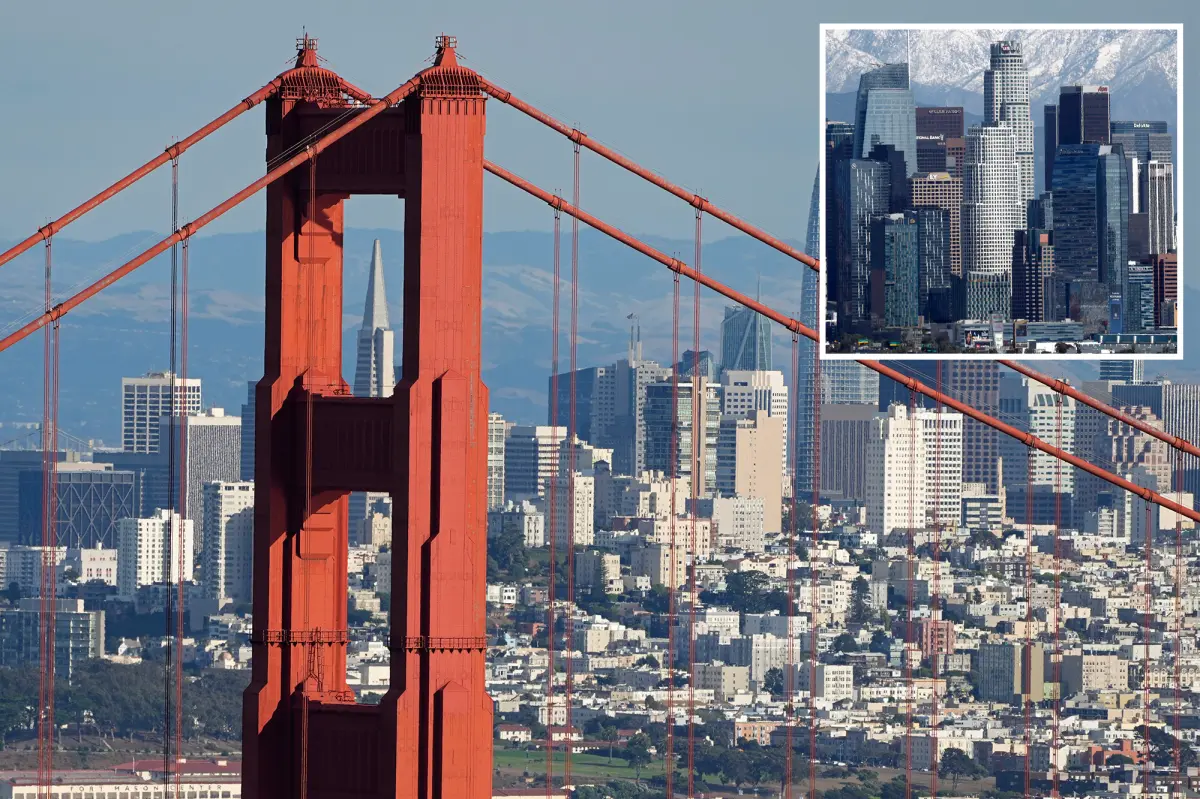
San Franciscans, those iconic hustlers of the Bay Area, are being hailed as some of the most dedicated workers in the entire United States according to a fresh study from WalletHub. Picture this: fog-shrouded mornings where coffee shops buzz with folks tapping away on laptops before the sun’s even fully up, or seasoned pros logging extra miles in pursuit of that next big idea. They’re not just grinding; they’re embodying the relentless spirit that built Silicon Valley. Meanwhile, down in Southern California, the vibes are a little more laid-back—think beaches, bars, and a slower pace that leaves room for sun soaking after hours. This contrast isn’t just anecdotal; WalletHub’s ranking of America’s hardest-working cities puts San Francisco at a solid No. 8 nationwide, showcasing how the city’s residents punch above their weight to make the Golden State proud. It’s a testament to the Bay Area’s ethos, where late nights and early starts are par for the course, and yet, it raises an eyebrow: why are SF folks leading the charge while Southern Cali seems to catch their breath? As someone who’s lived through the grind, I get it—work hard, play hard, but balance is key. The study peels back layers on what truly makes a city tick with productivity, and for San Francisco, it’s that unyielding drive fueled by innovation and ambition. Not every city mirrors this zeal; in fact, the rankings highlight a stark divide, urging us to ponder how culture, economy, and daily life intersect to shape our work ethic. For instance, while SF residents might joke about never sleeping during product launches, Southern Californians often prioritize work-life harmony, perhaps inspired by the ocean’s lull. This humanizes the data: behind the numbers are real people—engineers coding until dawn, artists hustling gigs, families juggling deletes—an intricate tapestry of determination. WalletHub’s analysis makes it clear that hard work isn’t just about hours; it’s woven into the fabric of community pride and personal aspiration. As we dive deeper into these rankings, consider your own hustle: are you pushing limits for passion, or is it time to recharge like those surfers in SoCal? It’s a reminder that success comes in waves, not just sprints.
Zooming in on the Bay Area, it’s fascinating how proximity doesn’t always predict performance. Fremont, just across the water from San Francisco, clinched a respectable No. 13 spot, proving that the tech boom ripples outward to surrounding suburbs where families balance 9-to-5 gigs with suburban dreams of bigger yards and quieter nights. Then there’s San Jose, the heart of Silicon Valley, landing at No. 53—quite a drop from its tech titan reputation, perhaps due to the high cost of living forcing longer commutes or multiple side hustles. Oakland, with its rich history of labor movements and vibrant culture, slipped to No. 56, a humbling spot that might reflect economic challenges despite a collective spirit that rallies around innovation and resilience. Shift gears to the national scene, and you see Cheyenne, Wyoming, reigning supreme at No. 1—a small city where ranchers and workers embody frontier grit, waking before dawn to tend fields under vast skies, free from the urban bustle that can fragment focus. Anchorage, Alaska, follows at No. 2, where harsh winters forge endurance, with residents powering through icy commutes to sustain communities reliant on resourcefulness. Washington, D.C., secures No. 3, a city of policymakers and advocates who burn the midnight oil debating laws that shape the nation, their drive fueled by purpose beyond paychecks. Sioux Falls, South Dakota, at No. 4, showcases Midwestern tenacity, where folks in this growing hub blend agricultural roots with burgeoning tech sectors, trading stories over coffees about harvests and innovations. Rounding out the top five is Irving, Texas, at No. 5, a hub for logistics and energy where long days on the job site mirror the vast plains, embodying a bootstrapping mentality. These rankings aren’t just lists; they’re windows into lives. Cheyenne’s success, for example, comes from a tight-knit community embracing simplicity—think farmers’ markets buzzing with homemade goods and neighbors lending hands during crises. In contrast, LA’s vibe is all glitz and glam, but as we’ll see, it lags behind in these metrics. Humanizing this, imagine swapping notes with a Fremont commuter: the early trains packed with dreamers, versus an Irving truck driver navigating expansive highways. It’s not about envy; it’s about appreciating diverse paces. Personally, I’ve admired how these top cities foster pride—Cheyenne’s rodeo celebrations or DC’s cherry blossoms walks—turning work into a shared narrative. That said, the real intrigue lies in California’s disparities, where Bay Area vigor clashes with Southern lethargy, challenging us to ask: what sacrifices breed success, and at what cost to well-being?
Southern California, that sprawling paradise of palms and promises, gets a mixed review in this hard-work hierarchy, with no cities cracking the top until Santa Ana slides in at a middling No. 70. It’s a bit ironic for a region synonymous with Hollywood hustle and surfside ambition—think iconic studios pumping out films by dusk or entrepreneurs pitching shark-tank ideas over avocado toast. San Diego follows closely at No. 71, a naval town where military precision meets beach bum bliss, yet its ranking hints at a more relaxed tempo amidst sunny distractions. But nothing stings quite like Los Angeles at No. 86, just edging out Long Beach at 88, painting a picture of a city that’s more party than grind. LA, the dream factory, has long boasted about its creative engine, drawing talent from across the globe for that elusive big break. However, the study reveals a trend dating back to 2009: consistently low employment rates there, with a fleeting blip of improvement between 2016 and 2018. What does that mean on the ground? For many Angelenos, it translates to gig economies, underemployment, and that notorious “feast or famine” cycle— boom weeks on set followed by slow stretches hustling freelance gigs. I’ve known folks in LA who juggle acting auditions with barista shifts, their days a mosaic of inspiration and uncertainty. Meanwhile, San Diego’s coastal vibe might dilute pure productivity, with surfers opting for waves over extra hours, prioritizing mental recharge in a city where tourism thrives. Santa Ana’s spot could stem from its diverse, industrious immigrant communities, where factory work and family businesses demand grit amid Orange County’s affluence. These rankings humanize the disparity: LA’s glamour often hides struggles, like single parents commuting in gridlock for minimum-wage roles. It’s a stark contrast to the Bay Area’s ambition, prompting reflection—do sunny skies breed complacency, or is it the high cost of living that forces a slower burn? WalletHub’s data underscores this, reminding us that work ethic isn’t just cultural; it’s economic. As someone who’s visited both coasts, I see LA’s energy as vibrant yet scattered, where passions chase pursuits but consistency lags. Ultimately, it’s a call to balance: acknowledge Southern Cali’s allure without romanticizing idleness.
Delving into California’s Central Valley, the heartland of golden fields and forgotten aspirations, the rankings reveal even grimmer realities for cities like Bakersfield at No. 101, Stockton at 102, and Fresno at 107. This agricultural powerhouse, once romanticized as the breadbasket of America, now embodies the underbelly of the American dream, where seasonal work and economic volatility leave residents scrambling. Bakersfield, with its oil fields and country music scene, paints a gritty portrait of resilience amidst decline—farmhands harvesting under relentless sun, mothers balancing shifts at diners with school pickups. Stockton’s waterfront past echoes with stories of players hustling in casinos, blending entertainment hustle with industrial toil, yet its spot exposes stagnation, where job losses from ports and warehouses hit hard. Fresno, the valley’s hub, fares worst at 107, a city of once-prosperous vineyards now grappling with droughts and decline, its residents navigating food deserts and underfunded education while chasing stability. Humanizing these numbers, consider a Central Valley family: dad working double shifts at a farm co-op, mom piecing together nursing aide gigs, kids dreaming of escapes to coastal tech havens. The grind here isn’t glamorous; it’s survival, shaped by systemic challenges like unequal access to high-paying roles and the burdens of intergenerational poverty. WalletHub’s evaluation shines light on this—low employment mirroring broader issues, from migration patterns to climate impacts shortening growing seasons. Compared to the Bay Area’s innovation buzz or LA’s creative frenzy, the valley’s labor feels undervalued, a reminder that hard work amid adversity doesn’t always translate to recognition. Personally, I’ve driven through these valleys, witnessing fields stretching like endless reminders of toil unheralded. Yet, there’s pride here—Fresno’s reviving arts scene or Stockton’s community revival efforts—proving that spirit persists. This disparity challenges us: is hard work measured by output, or by the hurdles overcome? The rankings urge empathy, not judgment, for these “overlooked” areas where everyday heroes forge futures against odds.
WalletHub crafted its ranking by analyzing 116 of America’s largest cities through a blend of “Direct Work Factors” and “Indirect Work Factors,” creating a holistic gauge of hustle. Direct elements include average weekly hours—think a San Francisco coder logging 50+ mid-launch versus a LA freelancer’s sporadic schedule—employment rates that reflect how many are in the workforce, and used vacation time, highlighting how many Americans forgo rest, from 40% to 64% depending on the city. Indirect factors dig deeper into daily realities: average commute times that drain hours (picture SF’s techies battling trains versus SoCal’s freeways), the share of workers juggling multiple jobs for survival income, and even average leisure time per day, that precious slice for hobbies or family downtime. Together, these metrics paint a vivid picture—not just of productivity, but of life quality. For instance, cities like Cheyenne thrive with shorter commutes and ample leisure, fostering sustained energy, while places like Stockton suffer from grinding routines that blur work and home. Humanizing this, imagine your own week: is your commute a soul-sucking slog, or do you carve out moments for walks? The study underscores how these factors intersect with broader societal pressures, like economic inequality shaping who can afford vacations or side hustles. As an analyst might note, it’s a system revealing hidden costs—long hours boosting economy yet eroding health. I recall chatting with a commuter in the Bay Area who trades peak hours for creative podcasts, turning boredom into inspiration. This methodology isn’t cold data; it’s a mirror for personal experiences, urging us to weigh productivity against well-being. In California, it exposes imbalances—Bay Area’s intensity versus Central Valley’s endurance—prompting questions: are we working to live, or living to work? WalletHub’s approach humanizes the grind, reminding that behind charts are choices, and perhaps, a push for smarter schedules.
Drawing insights from WalletHub analyst Chip Lupo, this report isn’t just statistics; it’s a wake-up call on the American work ethic, the backbone propping up our nation’s economic might. Lupo emphasizes that Americans clock 25% more hours than Europeans, a testament to that pioneering drive seen in cities like Irving or Anchorage, where hustle feels woven into identity—ranchers rising at dawn, healers enduring overnight shifts. Yet, he warns of pitfalls: overworking, while promising productivity, can cascade into physical burnout—think chronic fatigue or strained relationships—and mental tolls like anxiety from forgoing breaks. Lupo’s full quote resonates personally: “Hard work is the backbone of America’s economy and a big reason why the country has become so successful, as Americans outwork people in many other developed economies.” It highlights the flip side—40% to 64% of us skip vacation time, a habit I see echoed in San Francisco’s coffee-fueled nights or LA’s ever-pursuing gigs. To humanize, envision a Stockton parent missing family outings for extra shifts, the strain building subtly. “It’s important for people to figure out how to work hard without overworking,” Lupo adds, a mantra for balance in our fast-paced world. This rings true across California: Bay Area innovators risking burnout for breakthroughs, Southern Californians reclaiming leisure for sanity. Broader context shows how such ethic fueled prosperity, but research links it to issues like the Great Resignation—workers reevaluating lives. I’ve pondered this myself, balancing passion projects with restful hikes. Ultimately, the study advocates harmony, not extremes. As we close, consider WalletHub’s findings a nudge: embrace the grind, but nurture the soul, ensuring America’s success story includes well-being for all. For more, check California Post—socials, newsletters, the app—staying connected in our shared hustle.