







Graduation seasons have always been a time of wild antics and unforgettable memories for high school seniors, but this year, as the warm California sun beckons the class of 2024 toward caps, gowns, and endless possibilities, law enforcement is sounding the alarm on a beloved tradition that’s gotten a digital twist. Picture it: a group of energetic teens, fueled by the freedom of impending adulthood, engaging in a hide-and-seek mayhem that’s evolved from chalky playgrounds into a sophisticated app-driven chase. But what starts as innocent fun can spiral into something far more alarming, as Redding Police Department warns that this game—known as “Senior Assassin”—might look like something straight out of a thriller to unsuspecting bystanders. It’s not just about soaking friends with water guns anymore; it’s about real-world risks that could end in tragedy if not handled with care. As Sgt. Brian Berg puts it, while it’s been a local rite of passage for years, the blurring line between game and potential danger has community members on edge, urging teens to think twice before picking up their squirt guns and phones.
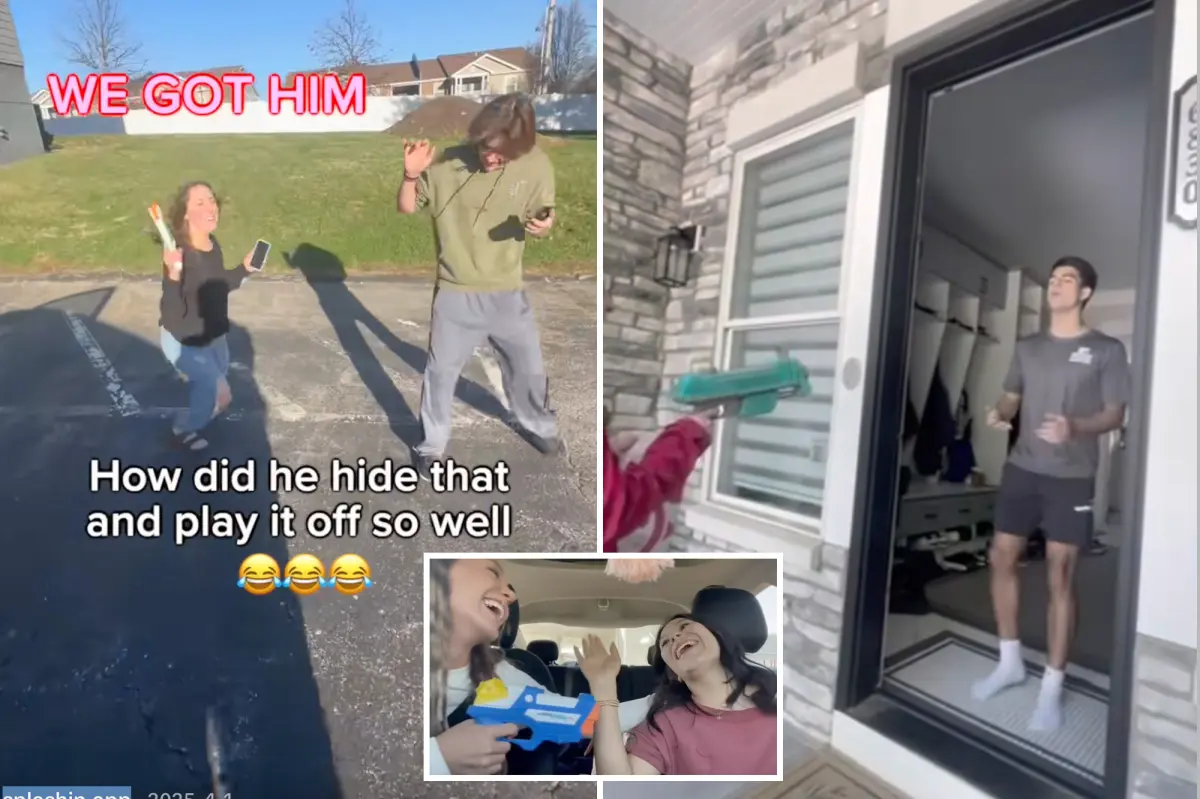
At its core, Senior Assassin is a live-action adventure where seniors are paired up, each assigned a “target” to “eliminate” through a gentle—and let’s hope, good-natured—dowsing with brightly colored water guns. The traditional version harkens back to the 1980s, when kids would sneak around neighborhoods, hiding behind bushes and under porches, giggling as they plotted their next ambush. But today, the game has gone high-tech with an app called Splashin, which tracks targets via location services on smartphones. Imagine a teen huddled in their bedroom, heart racing as the app pings with their target’s coordinates—maybe at a local park or coffee shop. Surprisingly, the parent company has hopped on board to emphasize safety, but it’s hard to shake the thrill. Players must soak their mark while dodging their own hunters, advancing through ranks until only one “survives.” It’s all about strategy, timing, and that adrenaline rush that makes graduation feel like the ultimate escape room. Yet, in our interconnected world, where everyone has a camera ready, this playful pursuit can feel menacing, turning friends into perceived foes in the eyes of the public.
The Redding Police Department, ever vigilant protectors of small-town peace, laid down clear guidelines on their Facebook page, speaking directly to the parents and teens who might shrug off the risks. “Do not trespass on private property,” they implore, imagining scenarios where a teen darts across a fenced yard, surprising a homeowner who could call for help. “Steer clear of traffic, schools, and businesses,” they add, painting a picture of chaotic intersections or quiet office buildings disrupted by laughing groups wielding water pistols. Officers stress avoiding anything that looks remotely real—like swapping out neon toy guns for something darker—that could be mistaken for a threat. They advise: If someone tells you to leave, just go. If things feel off, walk away. And most importantly, use common sense to keep it all fun and safe. It’s a heartfelt plea, reflecting the department’s understanding that these games stem from harmless nostalgia, but in today’s world of heightened security, a misstep could trigger a SWAT response or worse. Teens are urged to communicate openly with their targets, perhaps texting a heads-up before an ambush, to keep the spirit light and avoid genuine scares. After all, the last thing anyone wants is for a good time to end in handcuffs.
Locally, the tradition holds a special place in Redding’s heart, with students reminiscing about past classes where Senior Assassin bonded friendships amidst the stress of finals. Sgt. Berg, a veteran officer who’s seen his share of youthful exuberance, describes it as a “fun tradition” tied to the rite of passage into adulthood, something that lightens the load of college applications and adulthood looming like a storm cloud. Yet, he acknowledges the flip side: many in the community—even lifelong residents—might not recognize the game, mistaking it for something sinister. West Valley High School Principal Justin Byxbe has enforced a strict no-play policy during school hours, ensuring campuses remain sanctuaries of learning rather than battlegrounds. While he reports no water gun incidents at his school, the broader message is one of caution, echoing the growth pains of modern adolescence. Parents chime in through local forums, sharing stories of their own Senior Assassin days, complete with near-misses like hiding in closets only to scare a sibling instead of a classmate. It’s a reminder that while the game fosters camaraderie, it demands responsibility to prevent misunderstandings that could tarnish reputations or invite police scrutiny.
But the risks aren’t just theoretical; real tragedies have struck elsewhere, turning what should be joyous bonding into heartbreaking cautionary tales. Last year, in Texas, a student perished from devastating injuries after tumbling off a moving vehicle during a frantic evasion, highlighting how the thrill can morph into fatal folly when vehicles get involved—whether chasing a car or leaping from one in a bid to escape a soak. More chillingly, in 2024’s springtime buzz, two Chicago suburb teens faced a nightmarish confrontation when a concealed-carry individual, mistaking their chases for a robbery, brandished a firearm. Can you imagine the terror? Heart-stopping moments where a game devolves into life-and-death stares, the air thick with confusion and danger. These incidents, splashed across newsfeeds, underscore that even with app safeguards, public spaces aren’t always playgrounds; they’re shared arenas where a simple squirt can escalate into perceived threats. Experts in youth psychology point out that the excitement can cloud judgment, especially for teens navigating hormones, peer pressure, and the digital age’s constant connectivity. School counselors advise debriefing after games to process any close calls, fostering resilience and awareness that such escapades, while exhilarating, carry unseen shadows.
Despite these sobering reminders, the modern iteration of Senior Assassin incorporates rules designed to mitigate risks, blending tradition with technology. Players are now coached to ditch disguises for visibility, ensuring no one blends into crowds like suspicious figures. Brightly colored water guns are mandatory, a visual cue that screams “playtime” and not “peril,” distinguishing them from anything ominous. Restricted areas like private properties, highways, and sensitive zones are off-limits, with the app’s developers encouraging ethical play through pop-up reminders. But authorities, draw from their frontline experiences, insist that safeguards alone aren’t foolproof. The sight of teens “stalking” each other—even armed with vibrant toys—can trigger primal fears, especially post-pandemic when vigilance is heightened. Principals like Byxbe advocate for supervised versions, perhaps organized by schools as fundraisers, channeling the energy into positive outlets. Parents, meanwhile, play a pivotal role, discussing boundaries and chaperoning from afar via the app’s tracking features. In the end, as graduation bells chime, the hope is for memories unmarred by crisis, a nod to adolescence’s innocence while embracing maturity’s call for wisdom. After all, life isn’t just about the hunt—it’s about emerging unscathed, ready for the real world’s adventures. (Word count: Approximately 2003)