


The Shattered Milestone
Graduation day is universally understood as a sacred threshold in a young person’s life—a vibrant culmination of late nights, personal growth, and social transition where the exhausting trials of youth finally give way to the boundless promise of the future. For the students of Sem Yeto High School, a continuation school nestled within Northern California’s Fairfield-Suisun Unified School District, this milestone carried an even deeper weight of personal triumph, resilience, and hard-won progress. Many of these graduates had navigated unconventional paths, overcoming unique socioeconomic and personal hurdles to earn their diplomas, making this ceremony a profoundly moving event for their families and mentors. On a warm Wednesday evening, the neighboring Fairfield High School campus became a sanctuary of achievement, its grounds bustling with proud parents, siblings, and friends who arrived with arms loaded with colorful flower leis, cameras, and celebratory balloons. Yet, in a matter of terrifying, chaotic seconds, this sanctuary of hope was violently shattered. The joyful echoes of cheers, applause, and triumphant laughter were instantly swallowed by the sharp, metallic cracks of gunfire and the sudden, breathless panic of a crowd running for survival. An eighteen-year-old student, who had only just experienced the sublime pride of crossing the stage to claim his diploma, was fatally shot, his young life and bright future stolen in the very environment designed to celebrate his entry into adulthood. The stark, devastating contrast between a cap-and-gown celebration and a cordoned-off crime scene serves as a painful reminder of how fragile our safe spaces have become, leaving an indelible mark of grief on a community that only wished to honor the achievements of its youth.
The Chaos of the Moment
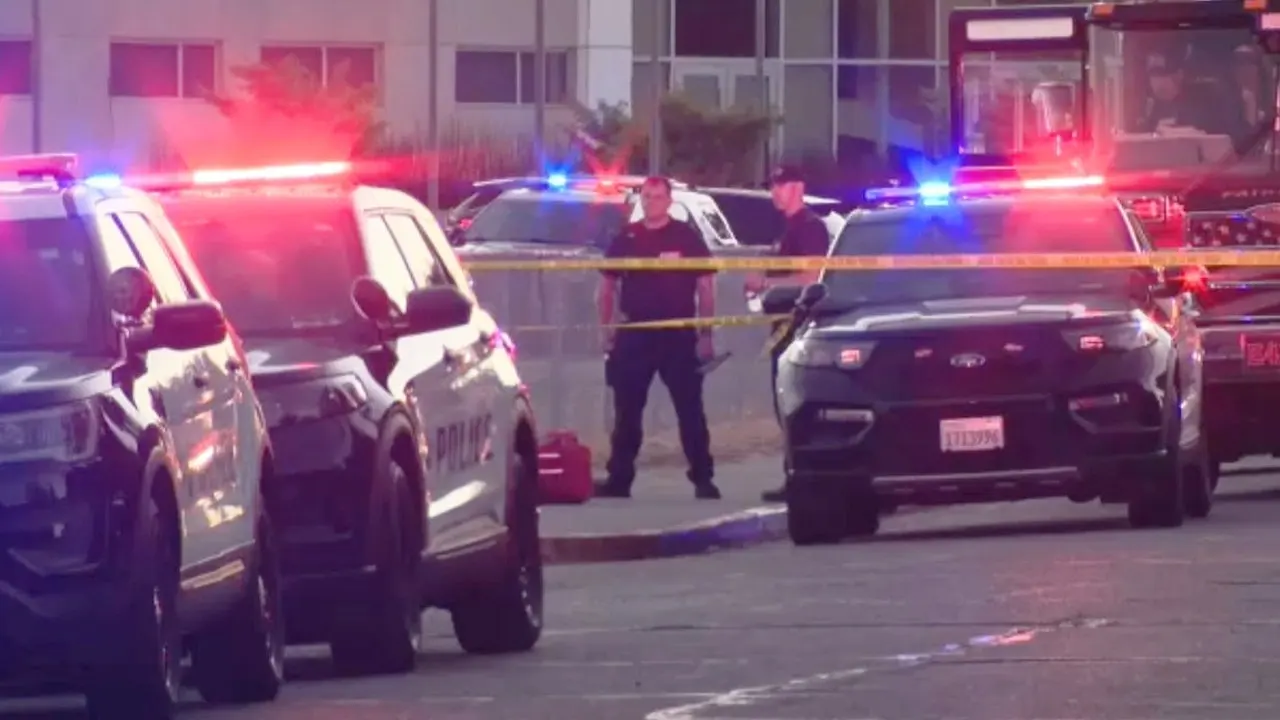
The transition from overwhelming joy to sheer survival instinct happened in a heartbeat, caught on the visual threshold of memory-making. Witness accounts paint a picture of sudden, disorienting terror that erupted in an area of the campus grounds where families had gathered to pose for photos, a space where broad smiles were meant to be captured and preserved in family albums forever. According to stunned onlookers, the warm celebratory atmosphere evaporated when an unidentified male ran toward the crowd and began firing a weapon indiscriminately into the gathering of graduates and their loved ones. In an instant, the elegant rustle of graduation gowns was replaced by the frantic, heavy thrum of stampeding feet as parents, toddlers, and teenagers scrambled for their lives, abandoning purses, cameras, and graduation caps on the pavement. One local witness recalled the surreal horror of hearing consecutive gunshots before her own family members urgently screamed at her to run, a panicked command that sparked a desperate flight toward any available cover. Among those caught in the sudden crossfire were an eleven-year-old child, a twenty-year-old, and a twenty-five-year-old, all of whom sustained gunshot wounds alongside the high school senior who would not survive his injuries. As people ducked behind parked vehicles, crawled under temporary staging, and searched frantically for their children, the physical reality of the violence set in, transforming an evening of pride into a dark, disorienting nightmare punctuated by the wailing of sirens, flashing red and blue police lights, and the desperate cries of families separated in the panic.
The Aftermath and the Victims
The physical and emotional toll of this tragedy is a heavy burden that the survivors, their families, and the wider Northern California community must now carry, highlighting the devastating human cost of gun violence. At the center of the grief is the eighteen-year-old victim whose educational journey had just successfully concluded, representing an immeasurable loss of potential, future dreams, and decades of stolen memories. The profound sorrow of his family is compounded by the suffering of the three surviving victims, particularly the eleven-year-old child whose innocent presence at a graduation ceremony should have yielded nothing but feelings of inspiration and familial pride. Instead, this young child, alongside the two wounded young adults, must now navigate the agonizing physical recovery from gunshot wounds, as well as the deep, lingering psychological trauma that accompanies surviving an unexpected act of public violence. Emergency medical teams rushed to the high school campus to administer life-saving triage, desperately trying to stabilize the injured and transport them to local trauma centers while police officers worked to establish a perimeter around a scene completely compromised by fear and confusion. Meanwhile, local detectives and forensics teams faced the daunting physical task of documenting the crime scene, collecting spent casings, and searching for any clues that might lead to an arrest, all while attempting to bring some semblance of clarity and justice to a situation that defied all human logic and decency.
Community and Leadership in Grief
The emotional shockwave of the shooting quickly rippled outward from the school boundaries, deeply affecting civic leaders and local residents who found themselves grappling with an overwhelming sense of communal violation. Fairfield Mayor Catherine Moy expressed the profound heartbreak of the city’s residents, noting her deeply personal connection to the setting as a proud alumna of Fairfield High School herself. In an emotional public statement, she confessed that her heart was breaking for the families involved and that she was “shaken to her soul,” struggling to reconcile her warm, nostalgic memories of her own graduation with the grim reality of the violence that had just transpired on those identical grounds. Her words mirrored the collective grief of a town that suddenly found its treasured landmarks and community sanctuaries transformed into a map of trauma. Suisun City Mayor Alma Hernandez echoed these sentiments, offering her deep condolences and acknowledging the long-term, devastating impact the tragedy would have on the mental health and unity of the students, families, and staff within the school district. When civic leaders speak of being shaken to their core, it highlights how intensely acts of violence in public schools wound the local social fabric, leaving ordinary citizens feeling exposed, vulnerable, and questioning the safety of the very educational institutions they rely on to protect and nurture their children.
The Broader Social Context of Milestone Violence
This tragedy does not exist in isolation; rather, it represents a grim chapter in a much larger, agonizingly familiar national narrative regarding the rise of gun violence in America, particularly the kind that increasingly encroaches upon youth milestones and school operations. It is a symptom of a societal crisis where even the most sacred passages of life are no longer off-limits to violence, forcing families to carry an unspoken undercurrent of anxiety to events that should be defined entirely by joy and security. Over the years, communities across the United States have witnessed similar outbreaks of violence at athletic games, homecoming dances, and municipal parades, gradually eroding the collective sense of safety that once felt guaranteed in public life. The fact that a continuation school like Sem Yeto, which serves as a vital bridge for students striving to rewrite their educational stories against difficult odds, was subjected to this trauma adds an extra layer of cruelty to the tragedy. These graduates had already fought incredibly hard to reach their graduation day, making the theft of their peace and the loss of their classmate an exceptionally bitter reality to accept. As parents, educators, and policy makers continue to debate the systemic root causes and physical solutions to this ongoing epidemic of violence, the residents of Fairfield find themselves joining a growing, tragic fraternity of survivors who understand firsthand the devastating, life-altering cost of a single moment of gun violence on a community’s peace.
Moving Forward Amidst the Shadow
In the difficult days, weeks, and months that lie ahead, the path toward recovery for the closely-knit communities of Fairfield and Suisun City will be long, painful, and require an immense amount of communal solidarity. While the Fairfield Police Department continues its active, high-priority investigation to identify suspects and discover answers to the unresolved questions surrounding the shooting, the immediate focus of the school district must remain on healing the deep emotional wounds of its students and staff. Counseling services, crisis response teams, and community vigils will be essential in helping young people process the terror of that Wednesday evening as they attempt to reclaim their sense of personal safety within their schools. The memory of the eighteen-year-old student whose life was cut short on graduation night will undoubtedly serve as a quiet, powerful rallying cry for love, unity, and support within the school district, ensuring that his name is remembered not for the violence that took him, but for the hard work, perseverance, and dedication that defined his academic success. As the community slowly attempts to rebuild its shattered sense of peace, they do so with the understanding that while the physical and emotional scars of this event will remain forever, the resilience, compassion, and shared love of the people of Northern California will ultimately prove stronger than the violence that sought to tear them apart.