



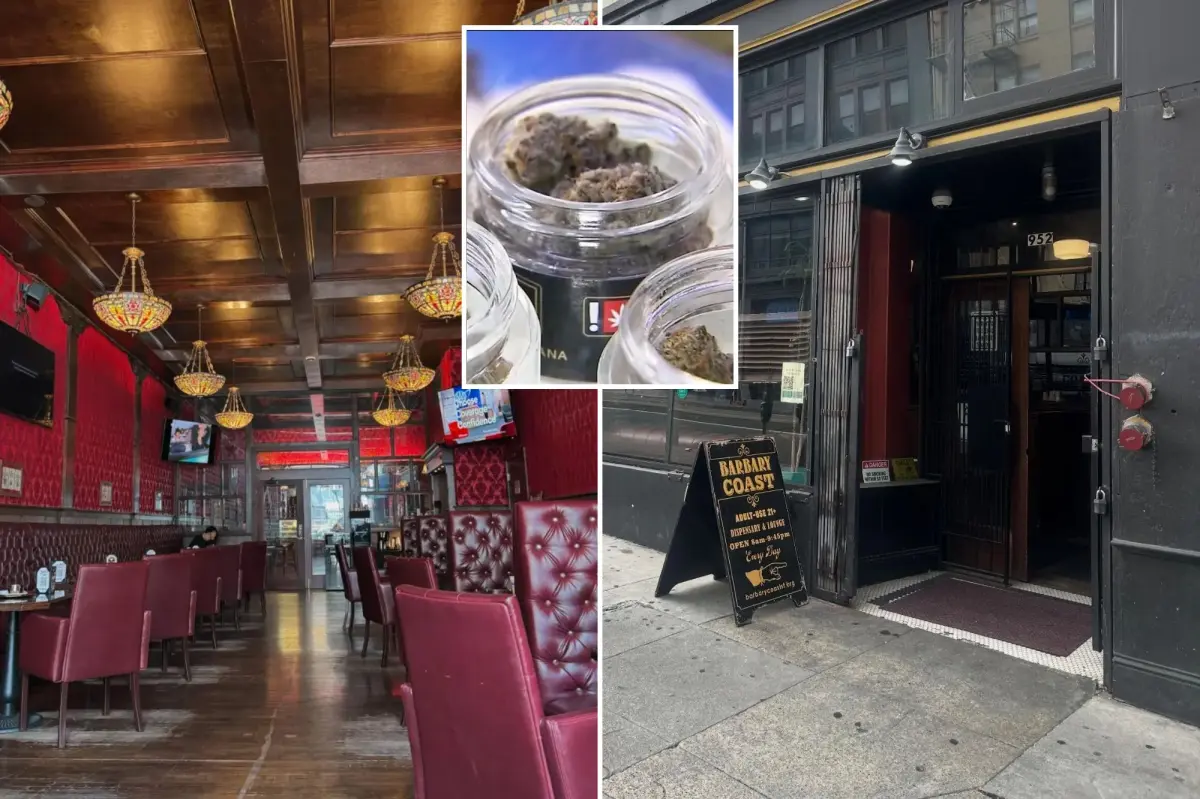
San Francisco is a city defined by its sweeping ocean views, rolling historic hills, and a legendary, century-long legacy of counterculture, artistic rebellion, and social revolution. From the iconic Summer of Love in the Haight-Ashbury district to the vanguard of the modern LGBTQ+ rights movement, the City by the Bay has always enthusiastically marched to the beat of its own drum—and now, that rhythm is poised to include the rich, comforting aroma of freshly legalized, Amsterdam-style cannabis cafes. In a decisive and highly watched 7–4 vote, the San Francisco Board of Supervisors recently approved a historic local ordinance that will fundamentally transform the way residents and international tourists alike experience recreational cannabis within the city limits. This monumental piece of legislation, which now moves to the desk of Mayor Daniel Lurie for his final signature, clears a direct path for existing, licensed dispensaries to transcend their retail origins and blossom into fully realized, multi-sensory social sanctuaries. Soon, passionate patrons will no longer have to rapidly purchase pre-rolled joints or edibles over a sterile, glass-countertop environment before being hurried out the door; instead, they will be warmly invited to stay, relax, order a delicious warm meal, sip on handcrafted nonalcoholic specialty drinks, and experience the magic of live music, stand-up comedy, or community art under one welcoming roof. By breathing life and joy into the concept of a shared social lounge, this measure seeks to strip away the clinical, transactional nature of modern dispensaries, replacing it with a cozy, deeply communal neighborhood atmosphere designed to appeal to both the social butterfly and the hungry consumer. Satisfying “the munchies” is no longer destined to be a clandestine kitchen-raid at midnight or a hasty, lonely trip to a fast-food drive-thru; it is officially set to become a celebrated, upscale, and legally protected cultural experience in the heart of Northern California.
The intricate political architecture supporting this cultural shift was built upon years of passionate grassroots lobbying and intense state-level legislative maneuvering. The true catalyst for San Francisco’s bold new ordinance is California Assembly Bill 1775, a piece of state legislation authored by State Assemblymember Matt Haney—a prominent political figure who previously honed his policy skills serving on San Francisco’s own localized Board of Supervisors. Signed into law by California Governor Gavin Newsom in the autumn of 2024, this powerful state bill officially took effect in January of 2025, granting individual municipalities across the Golden State the legal authority to bypass previous state-level restrictions and permit consumption lounges to legally prepare and serve freshly made food and soft drinks. Haney, observing his beloved home city enthusiastically seize this opportunity to lead the rest of the state, expressed a deep and profound sense of pride in seeing the expansive, progressive vision he championed on the floor of the State Capitol manifest directly on the historic streets of San Francisco. For years, the legal cannabis market in California has operated under a frustrating, counterintuitive paradox. Ever since the passage of Proposition 64, which originally legalized adult-use recreational cannabis in 2016, sales were highly restricted to prevent any intersection with food service. This meant that while adults could legally purchase marijuana, public consumption and social dining alongside it remained strictly outlawed in almost all settings, leaving tourists, travelers, and apartment renters with virtually nowhere to safely and legally enjoy their purchases. Haney’s legislation was designed precisely to resolve this tension, transforming cannabis from an isolated, hidden substance consumed behind closed doors into a highly social, regulated, and culturally integrated leisure activity that beautifully mirrors the safe, convivial environment of wine-tasting rooms, historic cafes, or craft breweries.
Beyond the obvious appeal to cannabis connoisseurs and countercultural tourists, the city’s leadership views these new cafes as a vital engine for economic recovery at a time when San Francisco’s post-pandemic downtown core is fighting to overcome a national “doom loop” narrative. Board of Supervisors President Rafael Mandelman, who championed the local passage of the bill, has been highly vocal about the economic necessity of supporting the legal, tax-paying cannabis industry which has faced brutal financial headwinds. Mandelman and other civic leaders argue that the legal market has fought a grueling, uphill battle against a resilient illicit black market, sky-high municipal taxes, and stiff regulatory hurdles that have driven many independent, pioneering business owners to the very brink of financial ruin. By allowing dispensaries to diversify their income streams through freshly prepared food, high-quality nonalcoholic beverages, and ticketed live entertainment events, the city is giving local businesses a fighting chance to thrive and create new jobs. Mandelman envisions these cafes as essential, highly vibrant components of a larger, coordinated municipal effort to revitalize public spaces, generate late-night foot traffic, and breathe joy back into struggling commercial corridors. In the wake of the pandemic, many retail fronts have sat empty, and the traditional office crowd has largely transitioned to remote work, leaving once-bustling streets quiet after sunset. This initiative aligns seamlessly with other creative urban renewal strategies, such as newly designated outdoor entertainment zones, active street-closures, and free public concerts, all aimed at offering locals and visitors alike a compelling, interactive reason to step out of their homes, log off their computers, and spend their hard-earned money within their local community, thereby cultivating a vibrant nighttime economy that can withstand evolving economic tides.
However, the transition from quiet retail shops to lively, smoke-filled dining establishments has not occurred without fierce opposition, reflecting a deep societal rift regarding public health, labor rights, and workplace safety. The 7–4 vote on the Board of Supervisors highlights this deep friction, with dissenting members arguing that the ordinance represents a dangerous step backward for public health protections that took decades of hard-fought political warfare to establish in California. City Supervisor Myrna Melgar emerged as a vocal opponent during legislative hearings, passionately arguing that indoor smoke of any kind—whether composed of traditional tobacco or high-potency cannabis—poses a severe, undeniable threat to respiratory health. This sentiment was echoed strongly by Cynthia Hallett, the President and CEO of Americans for Nonsmokers’ Rights, who argued that the economic claims used to support the cannabis cafe ordinance are deeply misguided and come at a terrible human cost to working-class residents. Hallett and various labor advocates point out that while wealthy business owners and patrons might enjoy the novelty of a cannabis lounge, the frontline service workers, including servers, busboys, and security personnel, will be subjected to hours of secondhand smoke every single shift, effectively dismantling hard-won workplace safety protections. Since 1995, California has enforced strict bans on indoor smoking in workplaces, a policy that significantly improved safety for actors, musicians, and restaurant workers. Critics worry that by carving out exceptions for the cannabis industry, the city is opening a dangerous Pandora’s box that could erode clean-air standards across other modern service sectors. They contend that San Francisco’s nightlife does not need to compromise the lungs of its working-class hospitality staff to foster economic vitality, arguing instead that health and safety should never be bartered away for municipal profit or corporate convenience, as a thriving economy must be built on the well-being of its workforce.
Despite these intense public health concerns, local business owners who have struggled to keep their doors open in San Francisco’s hyper-competitive and heavily taxed market are greeting the new law with boundless excitement and a sense of profound relief. With nearly seventy active retail cannabis licenses scattered across the city, the stakes are incredibly high for local operators who have endured years of shifting regulatory demands, economic uncertainty, and intense competition from unlicensed vendors. Among those eager to embrace this new era is Clayton Kopp, the owner of the historic Barbary Coast Dispensary, an establishment that has long stood at the forefront of the city’s cannabis movement with its red brick walls and comfortable, vintage leather booths. In a statement to The California Post, Kopp expressed immense pride in San Francisco’s historical legacy as an absolute trailblazer in progressive cannabis policy, tracing the rich lineage from early medical marijuana advocacy and the landmark passage of Proposition 215 all the way to today’s modern consumption lounges. To Kopp and many other independent merchants, the ability to serve a piping-hot, expertly brewed cup of coffee alongside high-quality cannabis represents the ultimate realization of a long-held dream of true normalization. They view this change as a natural extension of San Francisco’s famous coffeehouse culture, creating a space where people can unwind, swap stories, and enjoy a shared sensory experience that feels deeply human, familiar, and welcoming, rather than sterile or stigmatized. For these business owners, adding food and drink isn’t just a marketing gimmick; it is an act of survival that allows them to foster genuine hospitality, transforming their lounges into places where deep, authentic relationships are forged over shared meals. By inviting coffee and food into the mix, these lounges hope to dissolve the persistent social taboos surrounding cannabis, proving that intelligent, responsible consumption can coexist beautifully with upscale urban dining and neighborhood camaraderie.
As Mayor Daniel Lurie prepares to review and sign the legislation, San Francisco once again finds itself standing on the cutting edge of a national cultural experiment that could serve as a valuable blueprint for progressive cities across the United States. The successfully structured implementation of these Amsterdam-style cafes will require a delicate, ongoing balancing act: municipal regulators must carefully address legitimate public health concerns through advanced ventilation standards and strict labor protections, while simultaneously allowing entrepreneurs the creative freedom to curate truly magical and economically viable social spaces. Ultimately, the story of San Francisco’s cannabis cafes is about much more than just a regulatory shift or a convenient way to cure the munchies; it is a testament to a city’s resilient spirit and its historical willingness to pioneer bold, unconventional solutions to modern urban challenges. By elevating cannabis consumption from a private, often lonely habit into a vibrant, shared, and culturally celebrated communal activity, San Francisco is reaffirming its status as a sanctuary of personal freedom and social innovation. Whether sipping a warm espresso in a fragrant lounge or laughing along to a stand-up comic under a cloud of sweet smoke, patrons of these future cafes will be participating in the next exciting, deeply human chapter of a city that has always known how to celebrate life on its own visionary terms. In an era where digital screens and remote interactions have left many feeling disconnected and isolated, these warm physical spaces offer a rare opportunity to rebuild community face-to-face. As the maritime fog rolls gently over the Golden Gate Bridge and settles into the city streets, the warm glow of these upcoming neighborhood cafes will serve as a beacon of warmth, bringing people together from all walks of life under a shared banner of relaxed, joyful companionship.