


Tragedy Unfolds as Brown University Shooting Suspect Dies by Suicide
In a somber conclusion to a week of violence that shook academic communities in New England, authorities confirmed that Claudio Manuel Neves Valente, the 48-year-old suspect behind two deadly shootings, died by suicide in a New Hampshire storage unit. New Hampshire’s Chief Medical Examiner determined that Neves Valente died from a self-inflicted gunshot wound to the head on Tuesday, December 16, two days before his body was discovered by law enforcement. This tragic development brings closure to the manhunt but leaves many questions unanswered as communities mourn the victims at Brown University and MIT.
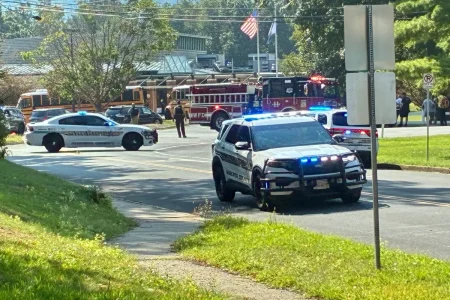
The violence began on December 13 during finals week at Brown University, when a gunman opened fire in the Barus & Holley Engineering Building during a study session. The attack claimed the lives of two students—Ella Cook from Alabama and Mukhammad Aziz Umurzokov from Virginia—and left nine others wounded. The horror continued two days later when MIT nuclear science professor Nuno F.G. Loureiro was found fatally shot in his Brookline, Massachusetts home. The proximity and timing of these events prompted a massive coordinated investigation by local, state, and federal authorities, who ultimately identified Neves Valente as the suspect in both shootings. Through forensic analysis, investigators were able to match two 9mm pistols found with Neves Valente’s body to the weapons used in both attacks, confirming he had acted alone in perpetrating both tragedies.
Brown University President Christina Paxson revealed that Neves Valente was a Portuguese national who had briefly been part of the university community over two decades ago. He studied physics at Brown from fall 2000 through spring 2001 before withdrawing from the program in 2003. “I think it’s safe to assume that this man, when he was a student, spent a great deal of time in that building for classes and other activities as a Ph.D. student in physics,” Paxson noted, referring to the engineering building where the shooting occurred. However, she emphasized that he had “no current active affiliation with the university or campus presence” at the time of the attack, making the motive for his return and subsequent violence all the more perplexing to investigators and the community alike.
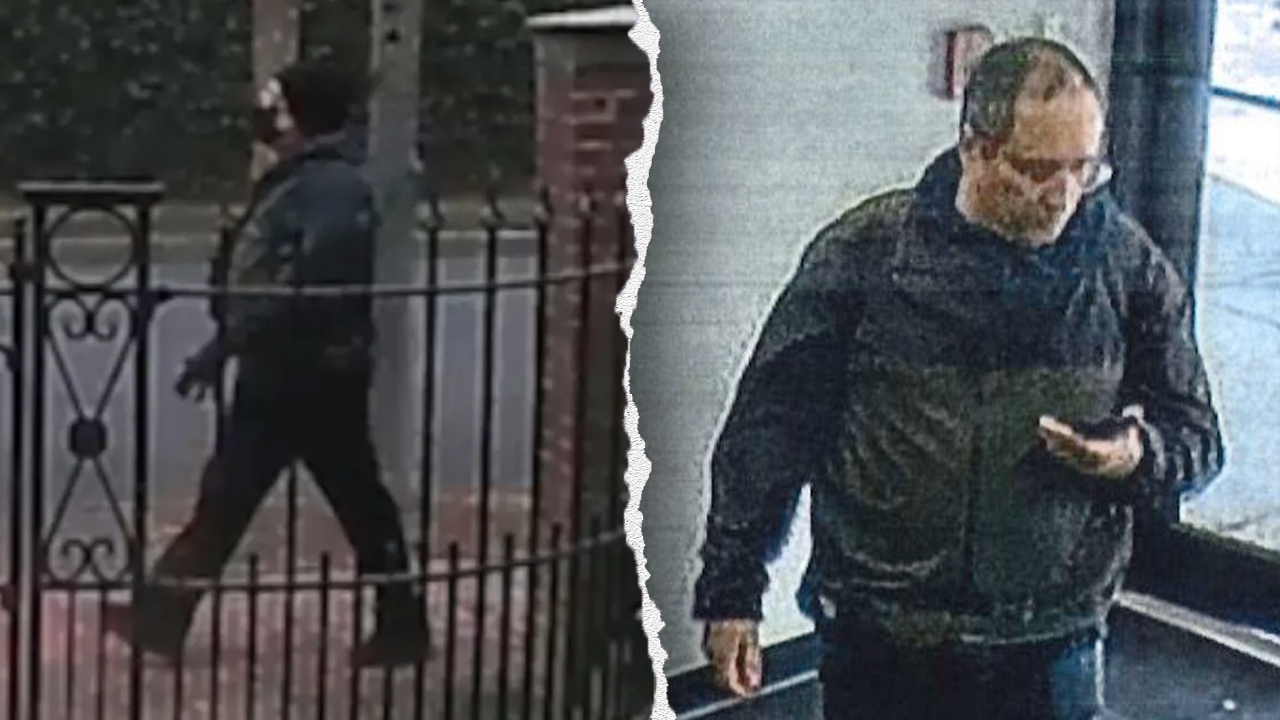
The investigation into these tragic events has been extensive and meticulous. Law enforcement teams canvassed neighborhoods for surveillance footage, released images of a person of interest, and initially questioned another individual before determining Neves Valente was the perpetrator. FBI agents have expanded their investigation to Florida, where Neves Valente reportedly last resided, and are tracing his recent movements and financial transactions in the days leading up to the attacks. Despite these efforts, authorities have yet to uncover writings or documents that might explain his motivations for targeting his former university and the MIT professor. This lack of clarity compounds the grief felt by the victims’ families and the affected academic communities, who are left to grapple with seemingly senseless violence.
The attacks have had a profound impact on both institutions. At Brown University, what should have been a focused time of academic culmination during finals week instead became a period of mourning, fear, and reflection. Several surviving victims remain hospitalized, though they are reported to be in stable condition. The university community has come together to support those affected, highlighting the resilience that emerges in the face of tragedy. Similarly, at MIT, colleagues and students are mourning the loss of Professor Loureiro, whose contributions to nuclear science have been cut short by violence. Both institutions now face the difficult task of healing from trauma while honoring the memories of those lost.
As this case concludes with the death of the suspect, it leaves behind important questions about security on college campuses, access to firearms, and the identification of potential threats before they materialize into violence. While the immediate danger has passed, the aftermath of these shootings will continue to affect the Brown and MIT communities for years to come. Law enforcement agencies will likely continue investigating to piece together the full timeline of events and potentially uncover a motive that might help make sense of these tragedies. For now, the focus remains on supporting the survivors, honoring those lost, and beginning the long process of healing from these senseless acts of violence that have forever altered the lives of so many in these prestigious academic communities.