


Brown University Introduces New Safety Measures Following Tragic Campus Shooting
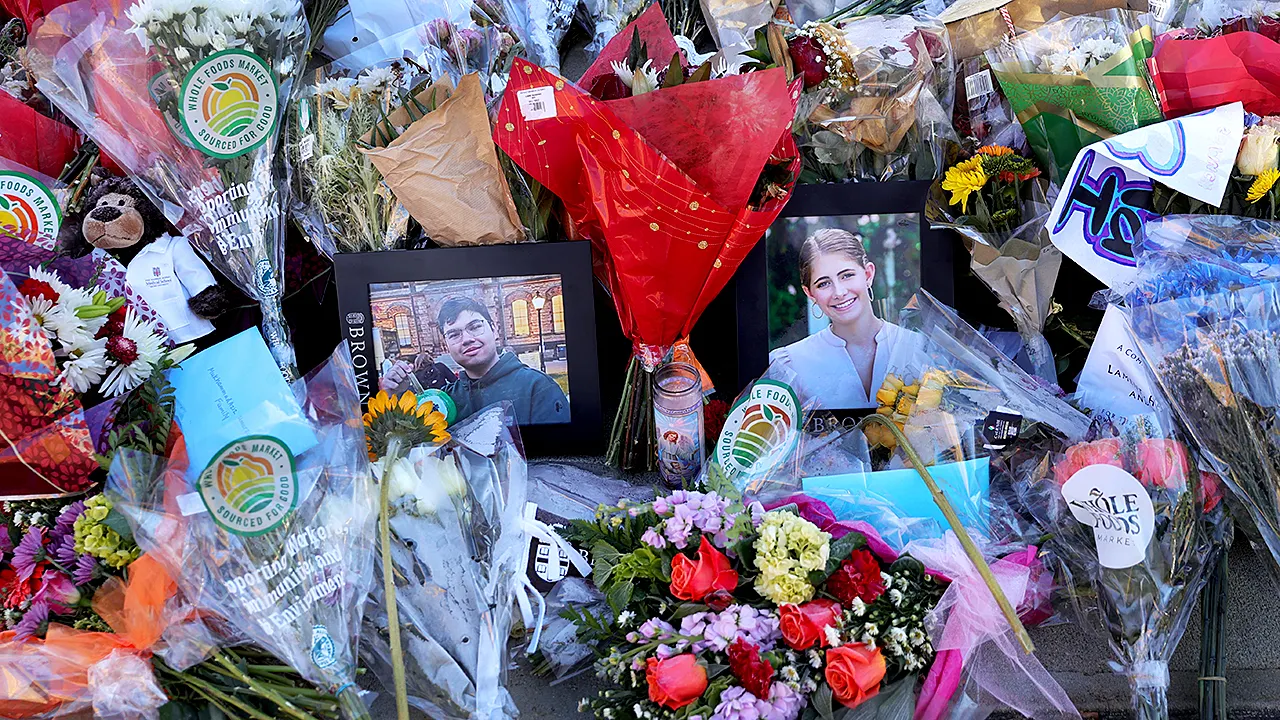
In the wake of the devastating December 13 mass shooting at Brown University, school officials have announced comprehensive new safety measures aimed at preventing similar tragedies in the future. The shooting, which claimed the lives of two students and injured nine others at the Barus and Holley engineering and physics building, has prompted a serious reevaluation of campus security protocols. Hugh T. Clements Jr., the newly appointed interim vice president of Brown’s Department of Public Safety, outlined immediate actions that include increased security staffing across campus and continued use of strict building entry protocols through card access, keys, or ID checks. These immediate steps reflect the university’s commitment to addressing safety concerns while balancing the openness typically associated with academic environments.
Looking ahead to longer-term security enhancements, Clements announced that before the Spring 2026 semester, the university will implement several significant changes to campus infrastructure. These include transitioning all remaining buildings from key access to card access systems, expanding the network of blue-light emergency phones equipped with cameras, installing security cameras in strategic locations (particularly within the Barus and Holley buildings where the shooting occurred), and adding panic buttons in critical areas throughout campus. Additionally, new trauma-informed safety and active-shooter preparedness training will be offered to the community beginning in the spring semester. These measures represent a substantial investment in physical security while acknowledging the psychological impact of the recent violence on the campus community.
The leadership changes and new security initiatives come amid troubling revelations about potential missed warning signs before the shooting. Clements, who previously served as chief of the Providence Police Department, replaced former security chief Rodney Chatman, who was placed on leave following a Boston Globe report alleging that a school custodian had spotted the shooter in the Barus and Holley building weeks before the incident and alerted a security guard. The tragic events unfolded when 48-year-old Claudio Manuel Neves Valente, a former Brown student, opened fire inside the building, killing students Ella Cook and Mukhammad Aziz Umurzokov, before traveling to Boston where he killed MIT professor Nuno Loureiro. Days later, authorities discovered Neves-Valente dead by suicide in a storage unit in Salem, New Hampshire. These circumstances have raised serious questions about threat assessment and response protocols that existed prior to the shooting.
The university now faces increased scrutiny, including an investigation by the Department of Education for potential violations of the Jeanne Clery Campus Safety Act, which mandates specific campus safety and security requirements for institutions receiving federal student aid. In response, Brown has announced plans for an external after-action review of the incident and emergency response, as well as a comprehensive, externally-led campus safety and security assessment that will incorporate community input. “The Brown community has experienced an unspeakable tragedy,” Clements wrote in his letter to the community. “I want to say clearly and unequivocally: What happened on Dec. 13 should never happen again—at Brown or anywhere—and we must confront that imperative for our community with steadfast purpose.”
Clements has acknowledged the critical questions surrounding the university’s existing safety and security systems, emphasizing that addressing these concerns is not about assigning blame but rather about taking responsibility and making necessary improvements. “As I step into this role, I do so fully aware that there are critical questions about the strength of our safety and security systems,” he stated. “Acknowledging those questions is not about assigning blame—it is about responsibility, learning and improvement. Safety requires more than visible security. It is built through preparation, transparency, trust and partnership.” This approach signals a shift toward not just reactive security measures but a more holistic perspective on campus safety that includes community engagement and transparency.
Moving forward, Brown’s Department of Public Safety has committed to working on improving coordination with local agencies, enhancing emergency communications and training, and reinforcing awareness of safety and emergency resources. These efforts reflect an understanding that effective campus security involves not just physical infrastructure improvements but also better communication systems, community preparedness, and institutional partnerships. The tragedy at Brown University joins a troubling pattern of campus violence across the country, reminding educational institutions everywhere of the delicate balance between maintaining open, accessible learning environments and ensuring the safety and security of their communities. As Brown implements these new measures, the university community continues to mourn the loss of the victims while working together to create a safer campus for everyone.