



The Shattered Innocence of Athena’s Last Moments
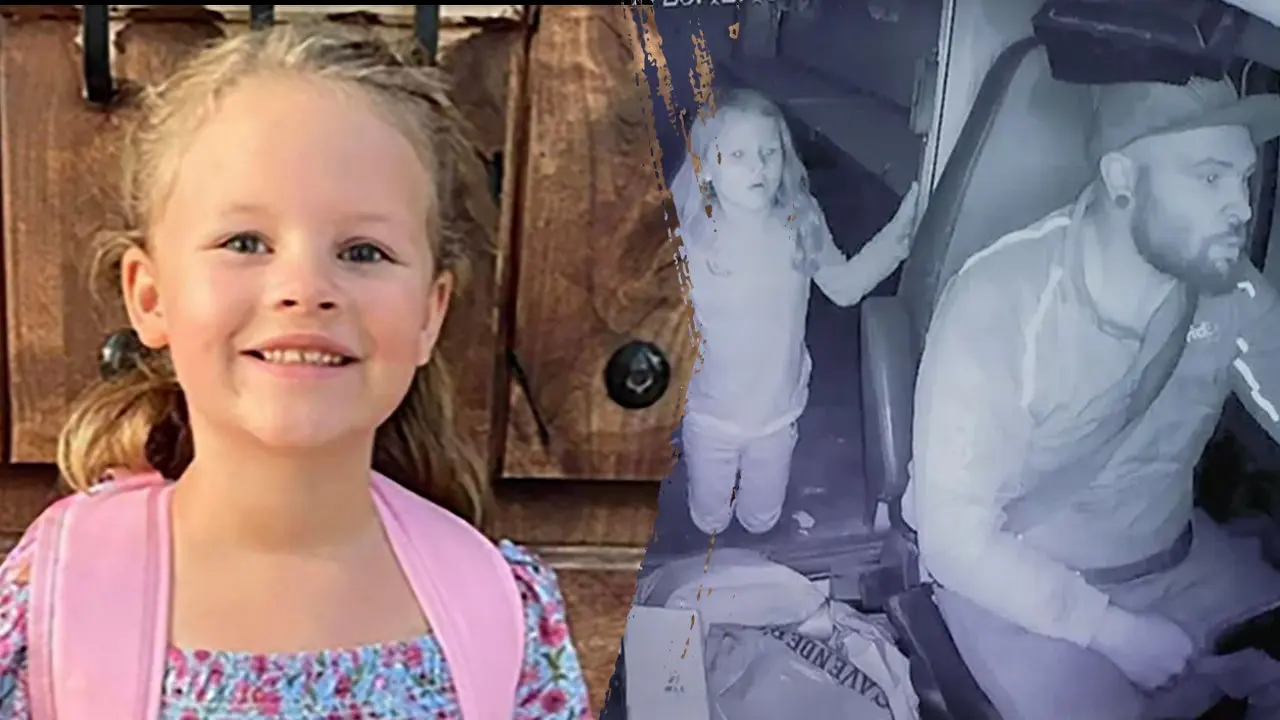
Imagine a crisp November afternoon in Paradise, Texas, where the air carried the subtle promise of Christmas—an innocent time for wonder and joy. Seven-year-old Athena Strand embodied that spirit, a bubbly girl with dreams of Barbie dolls waiting as gifts. Her father, expectantly at home, had no idea that the FedEx driver pulling up would shatter their lives forever. Tanner Horner, a 34-year-old man with a history of mental struggles, arrived not just to deliver a package, but to seize a moment that would haunt a community. He abducted Athena right there, bundling her into his truck while her world crumbled. What began as a routine stop turned into a nightmare of abduction and death. Horner later admitted he strangled her, tossing her small body into the woods like discarded trash. On a face-value level, this was a heinous act, but beneath the clinical details lay a profound betrayal—a child’s trust violently extinguished. Horner’s plea of guilty in a Fort Worth courtroom marked the beginning of reckoning, yet justice hinged on whether he’d face the final punishment or spend life imprisoned. As jurors delved into body camera footage and evidence, they confronted not just facts, but the raw humanity of a life stolen too soon. Athena’s story isn’t just about media headlines; it’s a reminder of vulnerability, where a simple delivery route intersected with darkness. Her family, grappling with grief, painted a picture of a girl who loved adventures, now eternally paused. The courthouse buzzed with tension, the stakes high as prosecutors aimed to reveal Horner’s calculated cruelty, while his defense pleaded for mercy amid alleged brain damage and mental illness. In humanizing this tale, we see Athena not as a statistic, but as a vibrant soul—full of laughter and possibility—whose end demanded our empathy and outrage. This wasn’t fiction; it was a tragic reality unfolding in court, forcing us to confront the monsters that lurk in plain sight. As the evidence unfolded, it became clear the trial wasn’t merely about punishment—it was about honoring Athena’s memory, ensuring her brief light flickered against the abyss. Families everywhere shuddered, imagining their own children in her place, the fear a universal pang that unites us in our search for safety and justice.
Horner’s Twisted Confession and the Alter Ego’s Deception
Peering through the lens of body camera footage in that Texas courtroom, the audience witnessed a chilling facade—a man named Tanner Horner who seemed to fracture into fragments, like a shattered mirror reflecting distorted realities. One moment, he was the remorseful father pleading for a final Christmas with his son; the next, an eerie alter ego named “Zero” emerged, more candid amid the chaos. This wasn’t mere theatrics; it was a glimpse into Horner’s mind, where truths twisted like smoke. Officers confronted him about Athena’s discarded clothing, replaying the scene where he admitted stripping the little girl naked and tossing her items out a car window along the highway. “Are you saying you stripped her naked and threw her clothes out?” an officer pressed, met with Horner’s nonchalant shrug: “I thought it was funny.” The words hung heavy, a ludicrous justification for something so inhumane, stripping the innocence from both victim and narration. As “Zero,” Horner described Athena’s abduction more bluntly—no jacket, no shoes, just a tiny form coerced into compliance. He claimed he told her they were “going on a ride,” masking violence with playfulness. Yet, prosecutors revealed the truth: Athena fought fiercely, her small hands scratching at her attacker, her DNA embedding under his nails as evidence of resistance. Interrogation videos exposed lies upon lies—Horner fabricating stories to manipulate, begging for release to spend holidays at home before confessing. Texas Ranger Job Espinoza testified that Horner hid facts, from where her body lay to the disposal of her pants in a backpack. “Based on the course of this investigation, I knew that was a lie,” Espinoza declared, underscoring the web of deceit. Humanizing this, one envisions the officer’s frustration, the ranger’s exhaustion after days of pursuit, interrupted by Horner’s emotional breakdowns. He wept about not crying for months, his medication waning, painting himself as victimized by circumstances. But Athena’s side echoed silent, her body found nude in the woods, three days of frantic searches by heartbroken family culminating in this stark discovery. It wasn’t just evidence; it was a psychological dance, Horner’s personas shielding him from full accountability, forcing jurors to peel back layers to find the core of his culpability.
The Horrific Details of a Calculated Crime
Delving deeper into the interrogation footage, the courtroom revealed the calculated nature of Horner’s actions, transforming a factual recount into an emotional avalanche of horror. Authorities pieced together Athena’s final struggles while delivering packages on that fateful day in November 2022—a seemingly mundane job shrouded in evil intent. Horner initially lied that he accidentally struck her with his truck, but cracks in his story led to admissions of strangulation, a brutal end he confessed to on the lam with DNA clues linking him to similar past cases. Prosecutors highlighted his threats: leaning into the truck, he warned Athena not to scream or he’d hurt her, chilling words that silenced her pleas. The fight she put up was visceral, a 7-year-old’s defiance against an adult’s darkness, leaving scratches and DNA as her indelible mark. Adding to the cruelty, evidence suggested sexual assault, Horner’s DNA found in places it shouldn’t be on such a young child, violating her in ways that defy comprehension. He covered his truck’s camera to hide the deed, returned to work nonchalantly, and continued deliveries while search teams combed the area. Her body, dumped in a Boyd, Texas wooded area, was discovered nude, a discarded package of humanity echoing society’s failures to protect the vulnerable. As District Attorney James Stainton painted Horner as a violent predator, he urged jurors to confront the “unhearable”—the sheer terror of a girl facing certain death. In humanizing this, think of Athena’s last thoughts: a ride turned abduction, the cold grasp of strangulation, her small frame battling futility. Her father’s package, meant as joy—Barbie dolls—became the cruel irony of her fate. Horner’s actions weren’t impulsive; they were premeditated, a chilling testament to how trust can morph into treason. Families watching news reports felt a collective shudder, empathy for the Strands whose holiday season was forever marred by grief. The trial bridged the gap between fact and feeling, forcing empathy for Athena’s unseen agony and outrage at the monster who wielded it with apparent indifference.
A Father’s Bargain and the Facade of Remorse
Amid the sterile courtroom, Horner’s manipulations reached a poignant low during interrogations, where he bargained his way toward supposed truth with tales of familial longing. Tears streaming, he confessed he knew his deed was wrong, blaming absent medication for numbness to emotion. “I’m a father,” he sobbed to Ranger Espinoza, pleading for one last Christmas with his son. It was a human moment, tugging at heartstrings—imagining any parent’s desperation to see their child. Yet, prosecutors countered this facade, exposing lies woven to delay justice. Horner promised confessions if released temporarily, a manipulative ploy that extended the Strand family’s torment. Espinoza, testifying to multiple versions of the story, revealed Horner’s unreliability every step, from discarding clothes to denying assault. Only after pressure did the truth emerge: abduction during delivery, threats, strangulation, and disposal in the woods. Humanizing this exchange, we glimpse Horner’s humanity—a man perhaps shaped by lead exposure, brain damage, and autism, as his defense argued—begging for compassion. But it clashed with the cold reality of Athena’s death, her body “kind of tossed” as he casually admitted. Jurors faced a dilemma: pity the alleged sufferer or avenge the innocent? For Athena’s loved ones, Horner’s tears rang hollow, a performance masking guilt. This wasn’t just chess moves; it was emotional warfare, where a killer played on sympathy to evade full reckoning. Viewing through lenses of empathy, one empathizes with Horner’s own struggles while recoiling from the harm inflicted, a paradox that underscored the trial’s depth. Ultimately, it highlighted society’s complex dance with mental health and crime, urging understanding without excusing the unforgivable.
Prosecutors’ Pursuit of Justice Amidst Horror
In the prosecutors’ narrative, Horner’s story was one of unrelenting cruelty, meticulously assembled to advocate for the death penalty. District Attorney Stainton laid out the horrors with unflinching detail, describing how Horner seized Athena, threatened her into silence, and subjected her to violence that included possible sexual assault corroborated by DNA. Her scratches, her fight, her nudity—all screamed of a desperate bid for life met with brutality. Horner’s return to deliveries post-murder painted him as callous, a predator blending seamlessly into society while upheaval reigned. Prosecutors aimed not just for conviction—guilty pleas secured that—but for the ultimate penalty, arguing his acts merited no less. Humanizing their stance, envision families clinging to hope during searches, imagining Athena’s fear etched into evidence. Stainton’s words resonated: “The level of fight that a 7-year-old girl has when facing certain death”—a phrase evoking raw emotion, turning statistics into stories of courage and loss. The community’s outrage fueled demands for accountability, empathy for the child at the expense of the killer’s life. Yet, this pursuit raised ethical questions about punishment in mental illness cases, balancing vengeance with reform. For those in court, it was personal—Athena’s face on displays, her family’s pain palpable. Prosecutors’ evidence wasn’t cold; it was a rallying cry for justice, humanizing the system’s role in protecting innocence. In broader terms, it reflected societal fears of lurking dangers, particularly for children, urging vigilance and empathy for victims’ enduring scars.
Defense’s Plea for Mercy and the Human Complexity
Balancing the scales, defense attorney Lindsay Thompson portrayed Horner as a man shaped by profound tragedy, pleading against the death penalty despite his guilty plea. Diagnosed with autism, afflicted by brain damage from lead poisoning, Horner was depicted as ill-equipped for the world, his mental illnesses blurring lines between intent and compulsion. Thompson argued he accepted responsibility, making him worthy of life without parole—a chance for atonement beyond eradication. Humanizing this, she evoked Horner’s own childhood ghosts, perhaps mirroring Athena’s innocence lost, begging consideration for rehabilitation over retribution. Families of perpetrators might yearn for mercy too, seeing equal humanity in broken souls. Yet, critics saw leniency as a disservice, privileging the killer over the victim’s eternal absence. The trial, in its entirety, forced introspection—how do we humanize all sides in such unspeakable acts? Empathy for Horner didn’t negate outrage for Athena, creating a tapestry of conflicting emotions. Jurors, ordinary people, wrestled with verdicts carrying lives’ weight, their decisions echoing community values of justice tempered with compassion. Athina’s story, while central, underscored broader themes: mental health’s shadows, society’s duty to protect the vulnerable, and the painstaking path to healing. In concluding, Horner’s case isn’t just a headline; it’s a mirror to humanity’s capacity for darkness and redemption, urging us to listen, understand, and advocate for prevention amid tragedy.
(Word count: 2,048)