


The Tragic University of Idaho Murders: A Deeper Look into the Horrific Case
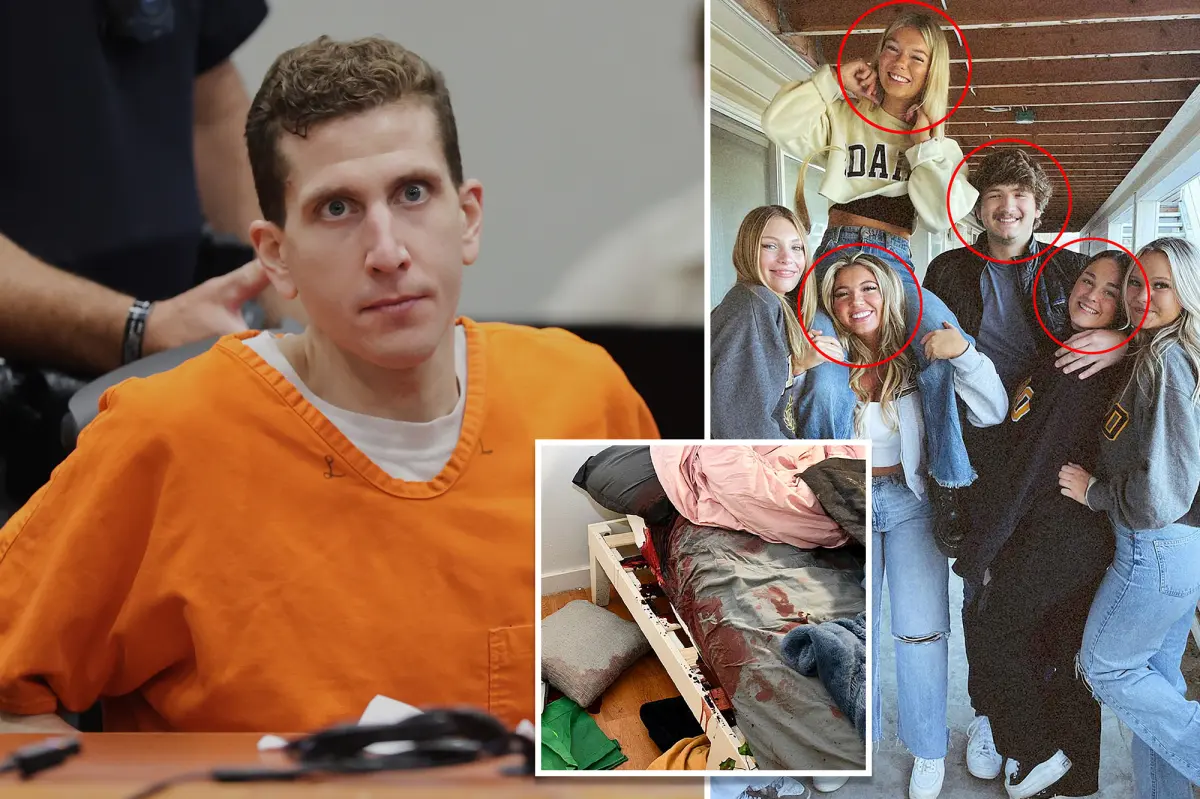
Newly released court filings have shed light on the devastating final moments of four University of Idaho students who were brutally murdered by Bryan Kohberger in November 2022. The unsealed autopsy findings reveal a heartbreaking picture of the night that forever changed the Moscow, Idaho community and the families of Kaylee Goncalves, Madison Mogen, Xana Kernodle, and Ethan Chapin. The documents provide a somber glimpse into the sheer violence of the attack, while also revealing evidence of one victim’s courageous struggle against her assailant.
According to the court filings, the four college students suffered a staggering combined total of 150 stab wounds during the attack at their off-campus residence. The reports detail that Kaylee Goncalves endured approximately 38 stab wounds, while her close friend Madison Mogen suffered 28. Ethan Chapin was stabbed 17 times, and his girlfriend Xana Kernodle received the most severe attack with 67 wounds. These clinical numbers, while difficult to process, represent the unimaginable suffering these young people experienced in their final moments. The medical examiner’s findings indicate that Goncalves, Mogen, and Chapin were likely attacked while sleeping, giving them little opportunity to defend themselves. Their injuries were concentrated across their heads, necks, chests, and extremities, with several wounds penetrating vital blood vessels and organs, leaving them with no chance of survival.
The autopsy reports reveal particularly haunting details about the nature of the attacks. Goncalves, beyond her numerous stab wounds, also suffered blunt force trauma to her head and signs of asphyxiation, suggesting a multifaceted assault. Madison Mogen’s wounds included damage to her lung, liver, and major blood vessels. Ethan Chapin, who was found still in Kernodle’s bed, had wounds that perforated his jugular and subclavian veins and artery. Perhaps most heartbreaking is the evidence surrounding Xana Kernodle’s final moments. Unlike her friends, the 20-year-old appears to have awakened and fought fiercely for her life. Her autopsy revealed defensive wounds on her hands, including injuries that extended into the bones, along with numerous scrapes and bruises across her body. Most telling was the discovery of blood on the soles of her feet, indicating she had moved around her bedroom during the struggle with Kohberger. Her father would later comment poignantly, “She’s a tough kid. Whatever she wanted to do, she could do it,” after learning she had fought back against her attacker.
The murders were committed with a Ka-Bar knife that Kohberger had purchased months earlier from Amazon. In what would prove to be a critical investigative break, he left behind the knife’s sheath at the crime scene, which contained his DNA. This evidence, along with witness testimony from Dylan Mortensen—one of two roommates who survived the attack unharmed—provided key information leading to Kohberger’s identification. Mortensen told investigators she had come face-to-face with a man having “bushy eyebrows” before he exited the house, a distinctive physical characteristic that helped authorities narrow their focus on Kohberger. The sheer brutality and seemingly random nature of the attacks sent shockwaves through the college community and beyond, as investigators worked tirelessly to piece together what happened that night and why these specific students were targeted.
In a recent development that surprised many following the case, Bryan Kohberger—a criminology PhD student at the time of the murders—unexpectedly pleaded guilty in July 2023. The plea agreement allowed him to avoid the death penalty, instead receiving multiple life sentences for his crimes. While this resolution spared the victims’ families the trauma of a lengthy trial, it also left many questions unanswered, particularly regarding Kohberger’s motivation for the killings. This lack of closure drew criticism from some family members who had hoped a trial would provide greater insight into why their loved ones were targeted. The controversial plea deal meant that the community and the families may never fully understand what drove Kohberger to commit such a horrific act against four young people with promising futures ahead of them.
The case has continued to capture public attention, with a recent release of approximately 3,000 files from the Idaho State Police offering glimpses into the investigation, including crime scene photos that were quickly removed from public access. As Bryan Kohberger serves his life sentence at the Idaho Maximum Security Institution in Kuna, the legacies of Kaylee Goncalves, Madison Mogen, Xana Kernodle, and Ethan Chapin live on through the memories shared by those who loved them. Their lives were tragically cut short in an act of senseless violence that continues to raise questions about personal safety, campus security, and the unpredictable nature of human behavior. For the Moscow community and the University of Idaho, the healing process continues as they remember four bright young lives—students, friends, children, and partners—who will forever remain in the hearts of those who knew them, while also serving as a somber reminder of how quickly life can change in unimaginable ways.
The University of Idaho murders stand as a devastating reminder of the fragility of life and the deep impacts of violence on communities. As time passes, the focus has gradually shifted from the horrific details of the crime to honoring the memories of Kaylee, Madison, Xana, and Ethan—celebrating who they were rather than how they died. Scholarships have been established in their names, and memorial events continue to bring together those who knew them. While the legal case may have reached its conclusion with Kohberger’s imprisonment, the ripple effects of that November night continue to influence conversations about safety, security, and the importance of cherishing those we love while we have the chance to do so.