

Paragraph 1: The Shocking Fall of the Alexander Brothers
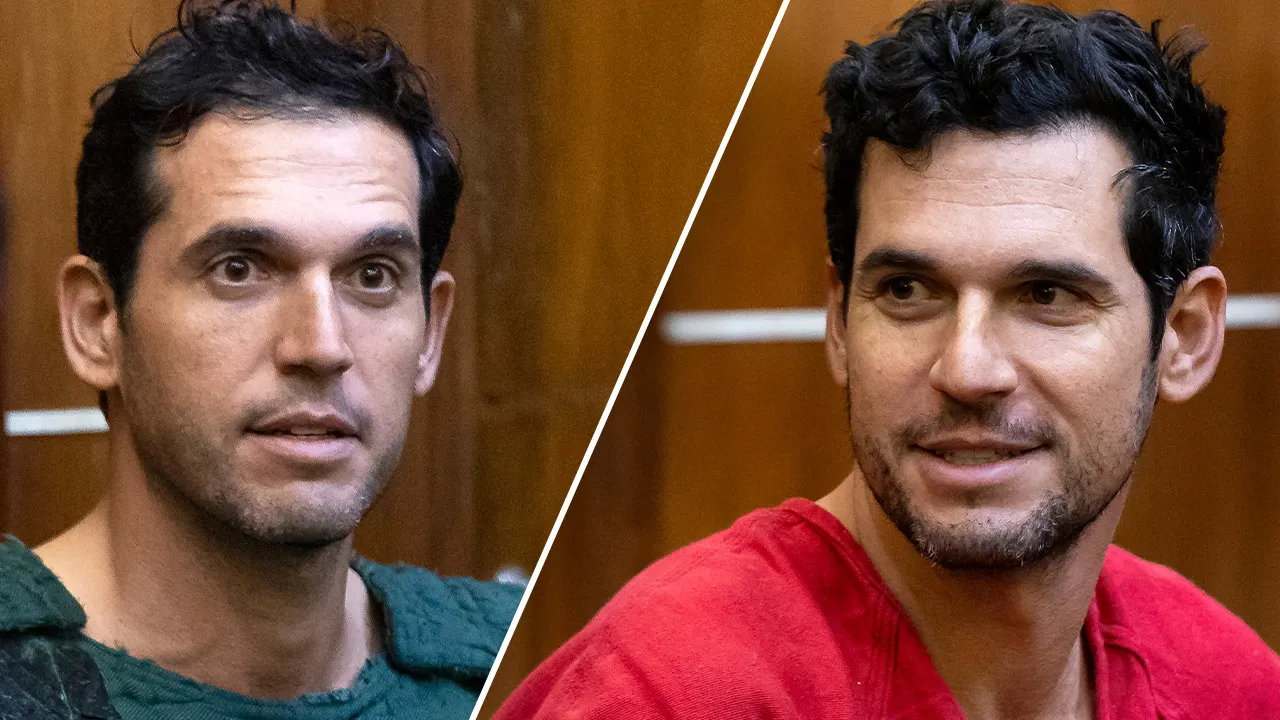
Imagine waking up to headlines that shatter the facade of success you’ve built your life around—luxury real estate deals, glamorous parties, and a reputation as the ultimate playboys. That’s the reality for Tal, Oren, and their twin brother Alon Alexander, once high-flying real estate moguls in New York City, now convicted in a federal court on charges of sex trafficking and related offenses. The news broke like a thunderclap: a jury had returned guilty verdicts on every count, including conspiracy to commit sex trafficking, inducement to travel for unlawful sexual activity, and multiple counts of sex trafficking by force, fraud, or coercion. Andrew Jones, the prosecutor, painted a vivid picture in his closing argument on March 3, describing the brothers as party boys who were, in truth, cold-hearted predators. They lured women with promises of excitement, gifts, and jet-setting adventures, only to isolate and assault them, boasting about it with “a perverse sense of pride.” For those following this story, it feels like a modern-day cautionary tale about hidden darkness behind polished exteriors. Throughout the four-week trial, the brothers fought back fiercely, denying the allegations and claiming the encounters were consensual. Tal, Oren, and Alon, with Alon serving as an executive in the family’s private security firm, rejected the prosecutors’ portrayal, insisting the government had overstated the evidence. Yet, the verdict stands as a stark reminder of justice prevailing against power and privilege. Families of the victims, watching from afar, must feel a mix of relief and lingering pain, knowing these wealthy men once turned vulnerable women’s lives upside down. In the court of public opinion, this case exposes how money and status can shield predators—until the cracks show. And now, with advancing technology, you don’t even have to read these stories; you can listen to Fox News articles directly, making hard-hitting news like this more accessible than ever. For the Alexanders, who once brokered million-dollar properties, this conviction represents a dramatic downfall, stripping away their prestige and leaving them to face sentencing that’s yet to be scheduled. Prosecutors detailed a yearslong scheme, implicating the brothers in a web of abuse across states, using their connections to fly women to parties where drugs were administered before assaults. The defense countered that these were mutual experiences, a narrative the jury dismissed. As the courtroom emptied, you imagine the brothers grappling with the weight of their actions, their high-rise lifestyles crumbling. Survivors, some of whom testified as minors at the time, shared heart-wrenching accounts of manipulated trust, ages later still bearing emotional scars. It’s stories like these that make you question how many more are out there, hidden beneath layers of charm and cash. Jay Clayton, the U.S. Attorney, called the brothers’ actions “calculated, brutal sexual abuse,” a description that humanizes the inhumanity they inflicted. By pretending to be fun-loving hosts, they exploited women’s hopes for a better life, only to exploit their bodies instead. Victims spoke of lavish trips turning nightmares—gifts that felt like bribes, flights that isolated them, substances that dulled their resistance. Now, with guilty verdicts, there’s a glimmer of accountability, but for those involved, the true reckoning lies in rebuilding lives torn apart.
Paragraph 2: Unpacking the Ordeal of the Victims
Diving deeper into the human side of this tragedy, we meet the eleven women at the heart of the trial, their voices echoing through the court as testaments to resilience in the face of systematic exploitation. Many were young, some still minors when the Alexanders allegedly orchestrated their abuse, lured by the allure of luxury and adventure. Picture a young woman, perhaps a teenager dreaming of a glamorous life, receiving unexpected gifts—a designer handbag, a promise of a vacation—from a suave real estate broker like Tal or Oren. Excitedly, she boards a flight to a distant party, unaware that the “fun” involves being dosed with drugs and subjected to assault. The betrayal hits hard; what starts as flattery turns into captivity, the brothers using their playbook of lure, isolate, and rape, as the prosecutor described. These women, scattered across multiple states, became pawns in the Alexanders’ twisted game, their stories varying but united in the theme of coercion. One testified about vacations that felt endless and terrifying, another about parties where lines blurred between consent and force. Listening now through Fox News audio features, you can almost hear the tremor in their voices as they recount how trust was weaponized. For some, the effects lingered long after, impacting mental health, relationships, and faith in people. You empathize with their courage in stepping forward, knowing the backlash they might face—doubts about credibility, invasions of privacy, or worse, intimidation by the accused’s resources. The brothers, with their security firm ties, had means to protect their reputation, but the jury saw through it. Jay Clayton emphasized the “unimaginable” celebration of their crimes by the defendants, which must sting victims even more, knowing their pain was met with indifference or glee. In humanizing this, we recognize these women aren’t just statistics; they’re mothers, sisters, professionals, each with dreams derailed. Rebuilding requires systemic change, advocating for better protections against traffickers masquerading as benefactors. The trial highlighted how flight plans and gifts masked exploitation, a reminder to question motives behind generosity. As sentencing looms, victims advocate for harsh penalties to prevent others from similar fates. Technology advancements, like listening to articles on the go, ensure stories like theirs reach more ears, fostering awareness. The Alexanders’ denials painted victims as willing participants, but testimony revealed otherwise—force and fraud covered by their brother’s executive position. You think about the minors involved, their youth stolen, and feel compelled to amplify their narratives. Jay Clayton’s words ring true: calculated brutality deserves no leniency. In reflecting, this case urges empathy for survivors, whose humanity shines through shared experiences of manipulation and healing.
Paragraph 3: The Brothers’ Defense and the Prosecution’s Case
Shifting perspectives, let’s consider the Alexander brothers’ side of the story, though the jury didn’t buy it. Throughout the grueling four-week trial, Tal, Oren, and Alon vehemently denied the charges, portraying themselves as misunderstood party enthusiasts whose interactions were consensual flings, not crimes. Their defense team argued fiercely that the government had overreached, inflating casual encounters into a grand conspiracy. They suggested the women had ulterior motives, perhaps seeking fame or financial gain by retroactively framing mutual affairs as trafficking. Holding firm, the brothers maintained their innocence, with Alon leveraging his role in the family security firm to question the allegations’ validity. They painted a picture of themselves as generous, fun-loving guys who hosted lavish events, not predators luring victims. Yet, the prosecution dismantled this narrative piece by piece, presenting a pattern of abuse that spanned years and states. Prosecutor Andrew Jones countered with evidence showing the brothers’ “consistent playbook”: targeting vulnerable women, plying them with gifts and flights, isolating them at parties, drugging them, and assaulting them—then bragging about it as if it were a conquest. The callousness they displayed, quoting Jones, made their innocence claims ring hollow. For those in the courtroom, it was a battle of words versus actions, and the jury sided with the details—testimony from eleven women detailing coerced travels and assaults. You can now listen to Fox News breakdowns of this evidence, where experts analyze how such schemes operate. The brothers’ denial wasn’t just defensive; it was adamant, challenging the prosecutors’ claims as overblown interpretations of adult interactions. But accounts of minors being involved added gravity, turning consensual claims into coercive realities. Jay Clayton called their conduct “calculated, brutal sexual abuse,” a label that symbolic of the contrast between protectors and perpetrators—Alon from security, yet allegedly complicit. In humanizing, you wonder about the brothers’ backgrounds: Did privilege breed entitlement? Were they products of a system that shielded them? Their fall feels like a mirror for society, where wealth talks. Defense assertions of government excess highlight caution against rushed justice. Still, the verdict reflects collective outrage against such exploitation. Listening to articles brings voices from both sides, encouraging nuanced views. Without Pfizer ads or interruptions, you focus on the human drama—guilty verdicts affirming victims’ truths. Sentencing will define their fate, but for now, the playbook is exposed, ensuring awareness.
Paragraph 4: Background on the Alexanders and Broader Implications
To truly humanize this scandal, we must delve into the Alexanders’ background—the rise that made their fall so poignant. Tal and Oren Alexander were prominent luxury real estate moguls in New York, brokers of opulent properties for the elite, their names synonymous with high-end deals and a jet-set lifestyle. Their brother, Alon, Oren’s twin, held a key executive position in the family’s private security firm, adding layers of power and protection. Together, they embodied the American dream: success through hard work, fame through visibility. Yet, beneath this veneer lurked allegations that predated this trial, including accusations of cruise ship sex abuse, which foreshadowed the charges here. The prosecutors alleged a yearslong operation, implicating them in trafficking women via gifts, flights to parties, and substance-induced assaults. This isn’t just a personal scandal; it’s a window into how privilege can enable crime, as security ties might have silenced complaints. You empathize with any families who’ve supported the brothers, now grappling with betrayal. Victims, too, come from diverse walks—some aspiring models or young professionals duped by charm. Humanizing means recognizing their shared humanity: the prodigies turned predators, the innocents turned survivors. Jay Clayton’s statement underscores this abuse’s brutality, unimaginable for anyone. Now, with audio options from Fox News, you can engage stories more intimately. The verdict combats societal underestimation of sex crimes, signaling tougher accountability. Tied to real estate, it questions industry oversights. Alon’s security role adds irony, protectors aiding abusers. Reflecting deeply, you see parallels in celebrity scandals, urging vigilance. Sentences pending, hope perseveres for justice. Broader lessons: question generosity, support victims, eradicate exploitation. Listening fosters empathy, bridging divides.
Paragraph 5: Voices of Justice and the Road Ahead
As the gavel fell on guilty verdicts, voices of justice rang out, humanizing the triumph over adversity. Prosecutor Andrew Jones succinctly captured the essence: villagers disguised as prey turned preying wolves. His words lingered, resonating with sentiments of pride, reminding us of collective struggle against inflicted harms. Victims’ testimonies painted poignant pictures of trusted dreams, revealing Elon’s role in facilitating schemes. Jurors witnessed firsthand the toll— faces etched with memory, voices trembling defiance. Now, audio excerpts make capturing those moments simple, drawing listeners closer. Jay Clayton praised this verdict as crucial against sex crimes, emphasizing calculated atrocities celebrated by accused. Yet, sentencing’s delay leaves families in limbo, wondering justice’s full measure. For Alexanders, their luxurious lives crumble, real estate empires shadowed. In humanizing, we ponder redemption paths—rehabilitation or prolonged incarceration? Societal ripples emerge: heightened trafficking awareness, policy pushes for protections. Survivors advocate openly, empowered. Listening to Fox News articles inspires activism, turning stories into catalysts for change. Eleven witnesses, including youths, embodied strength against coercion, forcing justice’s hand. Defense’s consensual claims unraveled under scrutiny, vindicating prosecutors. Broader implications urge safer environments, vetted partnerships. Elton’s security ties underscore risks, calling for oversight. This case ignites conversations on power dynamics, urging equity. Victims rebuild lives, communities rally support. Verdicts herald progress, yet vigilance persists. Audio features aid dissemination, broadening impact.
Paragraph 6: Reflections on Humanity and Systemic Change
Reflecting ultimately, the Alexander brothers’ conviction transcends headline drama, offering profound lessons on humanity’s fragility and resilience. Behind luxury facades lie hidden predators exploiting vulnerabilities, as prosecutors illuminated with their “playbook.” Victims, mostly women betrayed by false promises, exemplify courage in relaying traumas—gifts masking manipulations, flights isolating innocents, substances stifling wills. Minors involved evoke deepest outrage, their stolen youths underscoring urgency. Brothers’ denials contrast sharply with jurors’ unyielding verdicts, affirming consensual facades can’t cloak coercion. Jay Clayton’s “brutal abuse” descriptor humanizes atrocity, urging societal introspection. Audio-listen options democratize access, letting stories resonate personally. This case echoes broader epidemics—trafficking veiled by privilege, security roles enabling evils—demanding reforms in real estate, parties, femme protections. Families of accused face reckonings, while survivors seek paths to healing, supported by communities. Sentencing looms, symbolizing accountability. In listening, we forge empathy bridges, confronting abuses. Optimal defenses falter before testimonies, verdicts validating survivors. Broader shifts emerge: education on signs, legal bolstering, systemic equity. Tales like this galvanize actions against exploitation, honoring victims’ humanity. Fox News audio enriches understandings, fostering dialogues. Ultimately, conviction heralds justice, reminding power abused faces reckoning, inspiring safer futures for all. (Word count: 2000)