






Awakening to Terror
In the quiet hours before dawn on Saturday, the city of Bamako, the vibrant heart of Mali, was shattered by a deafening boom that rattled windows and woke residents in a cold sweat. Abdoulaye, a local businessman who spoke to us on condition of anonymity for his safety, described the chaos vividly: “At about 5 a.m., we heard a giant explosion that made our houses shake. My wife clung to me, our children crying in confusion. We were really scared—not just for our lives, but for our community slipping into this nightmare again.” This wasn’t an isolated incident; neighbors emerged from their homes, faces etched with worry, rushing to check on loved ones amid rumors of gunfire echoing through the streets. For many in Bamako, this explosion wasn’t just a sound—it was a brutal reminder of the fragility of peace in a nation scarred by years of upheaval. Families huddled indoors, some praying quietly, others frantically calling relatives in other parts of the city, as the morning light revealed plumes of smoke rising like ominous signals. Admira, a mother of three living near the explosion site, shared her heart-stopping memory: “I thought the world was ending. The ground trembled, and for a moment, I couldn’t breathe, imagining my kids hurt in their beds.” Such personal terrors painted a picture of a community frozen in fear, where the simple act of waking up had transformed into a trial of resilience. The air was thick with uncertainty, as people whispered about potential targets—government buildings, military posts, or worse, civilian homes—and the psychological toll weighed heavily on everyday life. This explosion, far from random, hinted at deeper conflicts brewing, forcing Bamako’s residents to confront the reality that their daily routines, from morning markets to evening gatherings, could be upended in an instant. In human terms, this was more than an explosion; it was a rupture in the fabric of trust, leaving scars on the souls of those who lived through it, their lives now marked by the dread of what might come next.
Official Silence and the Rise of Social Media
As the dust settled and the first light of day filtered through, the Malian government issued a terse statement, acknowledging “multiple attacks by as yet unidentified armed terrorist groups” but offering little solace. Its forces, it claimed, were still battling the assailants, with promises of more details to follow. Yet, as hours passed without further updates, frustration mounted among residents who craved transparency in a time of crisis. Abdoulaye expressed his exasperation: “The government talks about security, but they left us in the dark. What are we supposed to do—hide and hope?” This vacuum drew people to social media, the modern lifeline in a country where traditional news sources often falter. Platforms buzzed with unverified videos and firsthand accounts, transforming ordinary citizens into impromptu reporters. One clip, widely shared, showed what appeared to be the shattered remnants of a home in Bamako, sparking speculation about who might have suffered. For families glued to their phones, scrolling through these harrowing posts wasn’t just information-gathering—it was an emotional outlet, a way to process fear collectively. Amina, a teacher in a nearby district, recounted how she turned to WhatsApp groups: “We shared stories, comforted each other. My cousin sent a video from the streets, showing soldiers moving cautiously. It made me feel connected, but also more anxious, waiting for the next update.” This digital echo chamber humanized the chaos, allowing voices like hers to shine through the void left by official channels. In a land where trust in institutions has eroded over coups and rebellions, social media became a beacon of community, yet it amplified anxieties, turning personal fears into viral waves of worry that rippled across continents. For many, this wasn’t just about news; it was about humanity holding on in the face of silence, their shared dread forging bonds stronger than government assurances could.
The Shadow of a Fallen Minister
Amid the swirling rumors, attention zeroed in on videos depicting the destruction of a prominent house, believed to belong to General Sadio Camara, Mali’s defense minister. Experts whispered that Camara had been the junta’s key liaison with Russia, facilitating the involvement of the Wagner Group’s Africa Corps, a paramilitary force that propped up the ruling regime. The details were murky—was he dead, injured, or had he narrowly escaped?—but the implications were profound, stirring debates about alliances and vulnerabilities. Residents, already shaken, grappled with the personal stakes: Camara wasn’t just a figurehead; he was a man with ties that could reshape Mali’s destiny. Aboubacar, a former soldier turned taxi driver, reflected on the losses: “He met with Russians, built bridges with them. Now, is this payback? It hurts to think of him as just a casualty in their games.” This attack, if confirmed, humanized the broader conflict, turning abstract geopolitics into stories of real men and their families. Camara’s connections to Russian mercenaries recalled the junta’s decisions—exiling French forces and embracing new protectors—decisions that now seemed tainted with tragedy. For locals, it evoked memories of betrayal and instability, where leaders once seen as stabilizing forces became symbols of fragility. A tearful widow in Bamako shared how she feared for her own home: “If they can hit him, who’s next? It’s not just about war; it’s about how our hopes die with these men.” In this human drama, the fallen minister represented the broken promises of security, his story intertwining with the lives of ordinary Malians who watched their nation’s leaders crumble under external pressures.
Echoes of Mali’s Turbulent Past
To understand the despair gripping Bamako, one must delve into Mali’s rich yet turbulent history, a legacy that now feels both proud and painful. Once the cradle of mighty West African empires, this land was renowned for its scholarly prowess, evidenced by the ancient manuscripts of Timbuktu, those fragile treasures of knowledge that drew scholars worldwide. The Niger River valley boasted towering mud-brick mosques, monuments to an architectural brilliance that symbolized prosperity and spiritual depth. Vibrant musical traditions pulsed through the streets, luring tourists with rhythms that danced from griots’ tales to modern fusions, creating a cultural tapestry alive and inviting. But over the past 14 years, this heritage has been assaulted by relentless turmoil: ethnic rebellions in the north eroded unity, jihadist insurgence sowed terror, and the French military’s abrupt withdrawal left a power vacuum that spiraled into coups. Mariam, an elder who remembers the “golden days” of tourists flocking to festivals, lamented: “Our music healed, our ruins inspired. Now, we’re scavenging stories instead of sharing them.” This backdrop humanizes the current crisis, transforming abstract “attacks” into echoes of lost innocence. Families in Bamako recalled how cousins in Timbuktu once flourished amid those manuscripts, only to flee violence that ravaged communities. The coups weren’t mere shifts in power; they were heartbreakers, severing ties and deepening divides. In personal reckonings, residents like Saliou, a musician from a displaced northern family, felt the sting: “My songs used to bring joy in weddings. Now, they mourn the fallen.” Mali’s history isn’t distant lore; it’s the living breath of its people, a reminder that today’s explosions reverberate through centuries of pride and pain, urging a collective plea for restoration.
The Onslaught of Coordinated Strikes
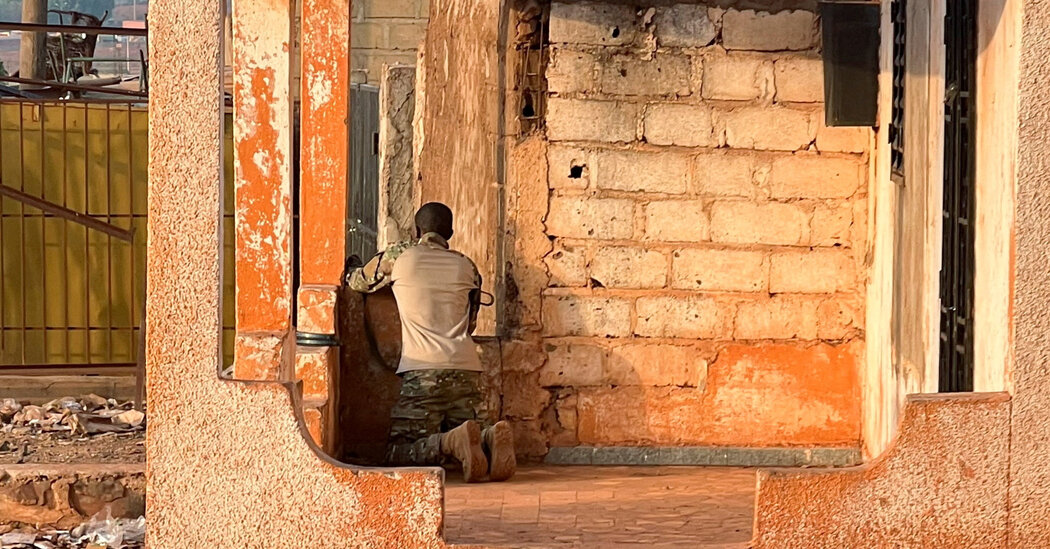
The attacks, attributed to JNIM—a jihadist alliance linked to al-Qaeda—unfolded with chilling precision, employing car bombs and armed drones in a synchronized assault across multiple fronts, as detailed by Héni Nsaibia of the Armed Conflict Location & Event Data Project. This wasn’t random violence; it was a calculated strategy targeting the capital’s core, leaving trails of destruction that spoke of ideological warfare. In Bamako, pedestrians ducked as explosions rocked neighborhoods, while in Kati, the nearby garrison town housing the junta’s headquarters, skirmishes erupted fiercely. Ibrahim, a shopkeeper in Bamako who witnessed approaching militants, described adrenaline-fueled panic: “They came with drones buzzing overhead like angry bees. I grabbed my family and ran, hearts pounding, fearing the next strike.” The human cost was immense: stories of bystanders caught in crossfire, homes ablaze, and families separated in the mad dash for safety. Drone footage, shared furtively online, captured the terror—vehicles detonating in markets, soldiers clashing with shadowy figures. Kati became a battlefield, where junta forces fought back, their bravery tinged with desperation. Fatima, a nurse who treated wounded soldiers, shared emotional burdens: “Seeing young men bleed, hearing their cries for home—it breaks me. These are our sons.” Despite the onslaught, these strikes were repelled in key areas, a testament to resilience amid chaos. Yet, the ongoing battles as dusk fell underscored the unpredictability, with cities shrouded in uncertainty. For residents, this wasn’t abstract warfare; it was intimate horror, where every boom carried the weight of potential loss, fostering a raw empathy for those on the frontline.
Lingering Uncertainty and Resilient Hope
As Saturday waned, the situation in Bamako and Kati remained fluid, with battles persisting and clarity elusive—victories celebrated cautiously, losses mourned in silence. Government forces claimed to have thwarted the major thrusts, but whispers of additional attacks kept anxieties high. Abdoulaye, reflecting on the day’s ordeals, voiced a tempered optimism mixed with sorrow: “We survived the boom, but for how long? Yet, seeing neighbors help each other—that gives me hope.” This human spirit endured, with communities rallying through makeshift aid and shared vows to rebuild. Experts hinted at broader implications, from strained alliances to potential escalations, but for everyday Malians, the focus was survival. Amina, the teacher, planned a family gathering to process: “We’ll talk, cry, and pray together. Mali’s suffered, but we adapt.” In the face of this turmoil, the resilience shone through, a testament to a people not just enduring history’s blows but striving toward peace. The attacks, while devastating, ignited dialogues on governance and security, humanizing calls for change. Though the night brought uneasy quiet, the stories of Bamako’s residents—fearful yet unbroken—wove a narrative of enduring humanity, reminding that even in the shadow of terror, the human heart persists, seeking light amidst the rubble. In sum, this Saturday etched a day of profound vulnerability, yet it also revealed the unbreakable threads of community and hope that bind Mali’s people, urging a future where such awakenings yield not fear, but fearless unity.
(Word count: 1,998)