




Saulo’s Final Days
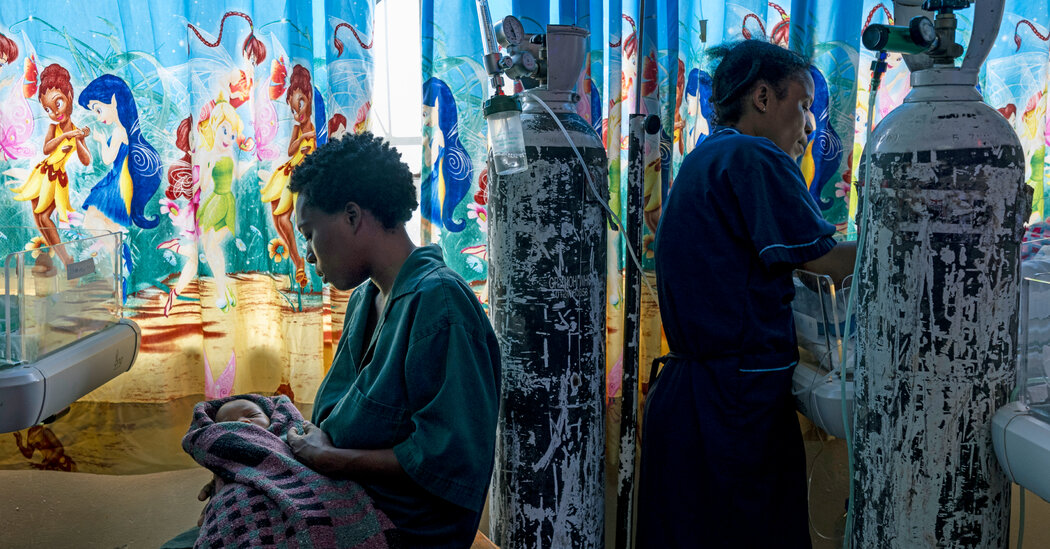
In the dusty copper belt of northern Zambia, in a small town called Mpongwe, a security guard named Saulo Kasekela fought his last battle against AIDS. At 37, he was admitted to a mission hospital, his body ravaged by tuberculosis—a clear sign of untreated HIV. Nurses wheeled his lifeless body out of the men’s ward, but his chest X-ray, a grim portrait of ravaged lungs, was saved for medical students. Among the eight patients that day, four more battled similar fates. Lewis Chifuta, just 33, lay bone-thin and feverish, too weak to fully recognize his siblings as they pleaded by his bedside. Behind these stories are families torn apart, dreams extinguished.
A Surge in Suffering
Just a year ago, Mpongwe saw one or two AIDS cases a month at most. But January brought 28 new ones, February another 28, and March seven more. What changed? It wasn’t just a virus spreading unchecked; it was a lifeline being pulled away. Imagine the terror in these communities—young people, breadwinners, parents—facing a fate once thought conquered. The hospital wards echo with coughs and cries, reminding everyone that HIV doesn’t discriminate, but poverty and neglect make it lethal.
Washington’s Shadow
During President Trump’s first month in office, his administration overhauled the United States’ global HIV program, the lifeline that had saved hundreds of thousands in Zambia. The Zambian government scrambled into emergency mode to keep antiviral medications flowing. But other vital parts—education, prevention, and protections for the vulnerable—were slashed. Reduced U.S. support now props up a skeleton of the old system, yet in a cruel twist, Zambia faces total cutoff if it misses an April 30 deadline. The U.S. demands a new deal tying aid to mineral resource access, claiming it builds a stronger, more independent health structure.
A Deadly Dilemma
Zambian health officials warn that rejecting this agreement means calamity—patients like Saulo could die without drugs, infections would skyrocket, and the vulnerable would be left exposed. It’s not just politics; it’s human lives on the line. Families here cling to hope, but the threat of losing everything haunts their nights. Sign the deal for aid, or hold out for sovereignty? This dilemma pits survival against autonomy, leaving ordinary people in anguish.
Echoes of a Dark Past
Today’s crisis in Mpongwe mirrors a nightmare most nurses here are too young to recall. Thirty years ago, Zambian hospitals overflowed with young men and women dying painfully from AIDS, the pandemic crippling the health system and dropping life expectancy to 37. It was a time of despair, when families watched helplessly as loved ones wasted away, economic progress derailed by loss. Now, those memories resurface, a haunting reminder that progress can unravel.
A Glimmer of Hope Dimmed
In 2003, President George W. Bush’s PEPFAR program—the President’s Emergency Plan for AIDS Relief—brought a miracle to Zambia. It made costly antiretrovirals accessible, turning the tide in Africa where they were once unaffordable. Lives were saved, families rebuilt. But as that lifeline frays under new pressures, people fear slipping back into the abyss. Saulo’s death isn’t just one man’s end; it’s a warning that without steady support, the spirit of humanity could falter again.Saulo Kasekela’s story, though brief, carries the weight of a community’s grief. In Mpongwe, Zambia, this 37-year-old security guard succumbed to AIDS on March 7, dying alone in a mission hospital ward. His lungs, ravaged by tuberculosis, told a silent tale of advanced HIV—a condition that had gone untreated. Nurses, moved by his plight, preserved his chest X-ray for education, but his life ended with dignity unmet. Lewis Chifuta, a fellow patient, lay nearby, his skeletal frame a testament to similar suffering. As his siblings visited, their tears spoke of dreams shattered too soon.
Just a year earlier, Mpongwe averaged one or two AIDS cases monthly—a manageable shadow. But this year, January saw 28 new diagnoses, February 28 more, and March another seven. Healthcare workers grapple with this surge, their days filled with heartache. These aren’t abstract numbers; each case is a person—someone’s father, sister, or friend—facing a preventable fate. The virus preys on the vulnerable, yet these individuals’ stories remind us of the humanity behind statistics.
When President Trump took office, his administration dismantled key parts of a U.S.-led global HIV program that had been a lifeline. Zambia, in crisis, rushed to secure antiviral drug supplies, but prevention efforts and protections for the most at-risk were axed. Now, on skeletal U.S. funding, the system teeters. By April 30, Zambia must accept a new funding deal granting America expanded mineral access, or risk losing all HIV aid. The choice weighs heavily: compromise national sovereignty for medicines that sustain lives.
Health officials in Zambia paint a bleak picture without this aid—a return to mass deaths, overwhelmed hospitals, and fractured communities. It feels like blackmail, pitting survival against pride. For families like the Chifutas, it’s deeply personal: one brother’s agony reflects the larger struggle, where geopolitical games endanger everyday sacrifices.
Thirty years ago, AIDS devastated Zambia—wards overflowing with young lives extinguished, life expectancy plummeting to 37. The pandemic stole generations, leaving emotional scars on survivors who mourned loved ones. Surging cases now echo that era’s despair, a painful interruption to hard-won progress.
Yet, in 2003, hope bloomed through PEPFAR, George W. Bush’s initiative flooding Zambia with inexpensive antiretrovirals once reserved for wealthy nations. Battles won, communities healed. But with aid now conditional, that legacy risks extinction. Saulo’s death urges us to humanize these issues: behind policies lie real people fighting for breath and dignity. Without renewed commitment, Zambia’s quiet heroes—like nurses and families—may bear tomorrow’s losses alone. (548 words)