


Minnesota Faces SNAP Recertification Requirements Amid Welfare Fraud Investigation
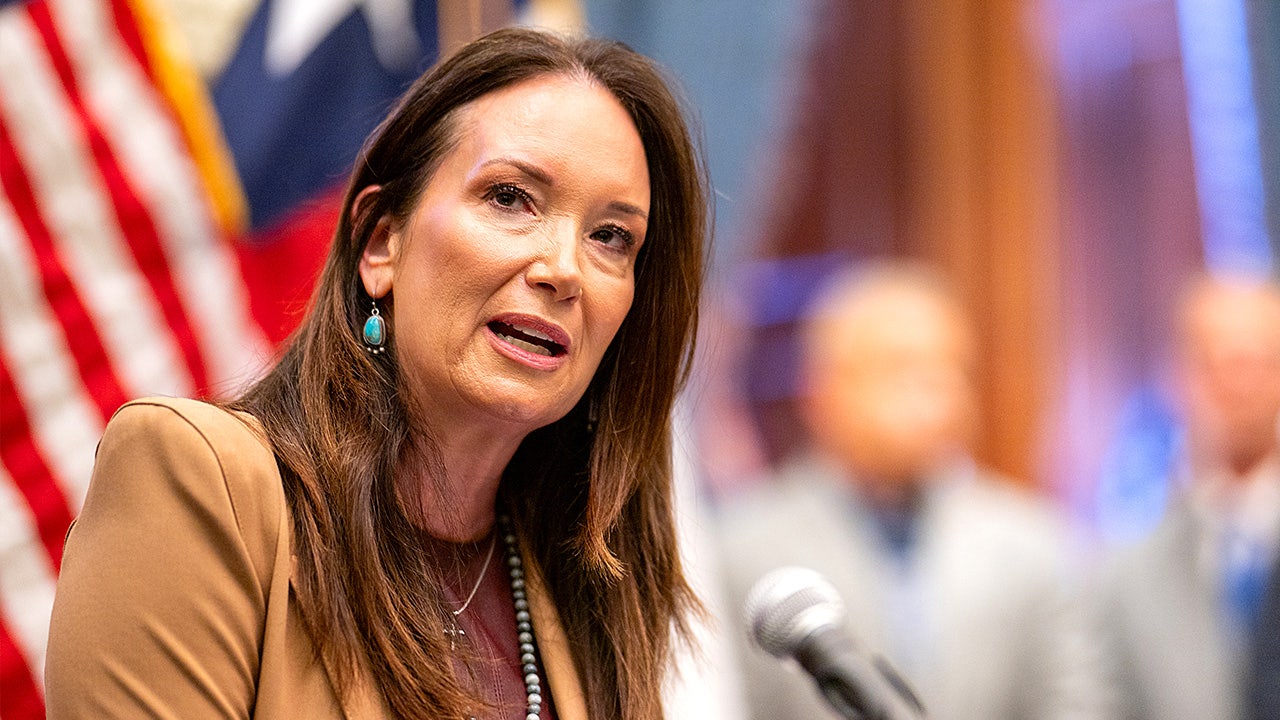
In response to a staggering welfare fraud scandal that has reportedly cost taxpayers at least $1 billion, Agriculture Secretary Brooke Rollins has taken decisive action by requiring Minnesota to conduct recertifications for Supplemental Nutrition Assistance Program (SNAP) recipients in four counties. The directive, outlined in a letter to Minnesota Governor Tim Walz, mandates the state’s participation in a pilot program specifically designed to identify and eliminate fraud and abuse within the welfare system. This unprecedented move targets Hennepin, Ramsey, Washington, and Wright counties, requiring thorough verification of all eligibility requirements, including in-person interviews and utilization of federal verification tools like the Systematic Alien Verification for Entitlements (SAVE) Program database.
The recertification process represents a significant intensification of oversight, requiring SNAP recipients to provide comprehensive documentation proving their eligibility. Secretary Rollins has previously raised alarming concerns about the integrity of the SNAP program, alleging that hundreds of thousands of deceased individuals were continuing to receive benefits and that some recipients were collecting multiple benefit payments. These systematic failures in oversight have contributed to what investigators describe as one of the largest welfare fraud schemes in recent memory, primarily centered around nonprofits like Feeding Our Future within Minnesota’s Somali community. The fraud allegedly flourished under Governor Walz’s administration, raising serious questions about state-level oversight and accountability mechanisms.
The scandal has grown beyond SNAP benefits, extending into other areas of government assistance. Education Secretary Linda McMahon has added her voice to the growing criticism, going so far as to call for Governor Walz’s resignation. Her agency uncovered what she termed a “ghost student” scheme at Riverland Community College, where more than 100 potentially fraudulent applications were being processed annually. According to McMahon’s findings, 1,834 of these “ghost students” – individuals who were never properly verified, didn’t live in the United States, or simply didn’t exist – received an astounding $12.5 million in taxpayer-funded grants and loans. These fraudsters would collect federal funds, share a small portion with the college, and pocket the remainder without ever attending classes.
The magnitude of this fraud underscores critical vulnerabilities in Minnesota’s welfare distribution systems and highlights significant lapses in administrative oversight. The targeting of four specific counties suggests investigators have identified geographic hotspots where fraud appears most concentrated, allowing for a strategic approach to remediation. The requirement for in-person interviews represents a return to more stringent verification processes that had been relaxed in recent years, particularly during the pandemic when remote verification became more common. This shift back to face-to-face confirmation aims to establish the physical existence and identity of benefit recipients in a way that digital verification alone cannot accomplish.
For Minnesota residents legitimately dependent on SNAP benefits, this intensified scrutiny may create additional hurdles and potential delays in receiving assistance. The recertification process typically involves providing extensive documentation of income, residency, household composition, and other eligibility factors – requirements that can be challenging for vulnerable populations with limited access to transportation, technology, or document storage. While the intention of rooting out fraud is understandable and necessary, there remains significant concern about how these enhanced measures might impact those genuinely in need of nutritional assistance, particularly families with children, elderly individuals, and people with disabilities who comprise a significant portion of SNAP recipients in these counties.
The Minnesota welfare fraud scandal represents a profound breach of public trust and raises fundamental questions about governance and oversight. As federal authorities intervene with these targeted measures, the state faces both a practical challenge in implementing the recertification requirements and a broader reputational crisis regarding its stewardship of public resources. The outcome of this pilot program will likely influence future welfare administration not only in Minnesota but potentially across the country, as federal agencies seek to balance accessible assistance for those in genuine need with responsible protection of taxpayer dollars. With allegations of fraud reaching into the billions and extending across multiple assistance programs, Minnesota’s response to these federal directives will be closely watched by policymakers and the public alike as a test case for addressing systematic welfare fraud while preserving the social safety net for legitimate beneficiaries.