


Morning News Roundup: Tensions Rise in Immigration Enforcement and International Relations
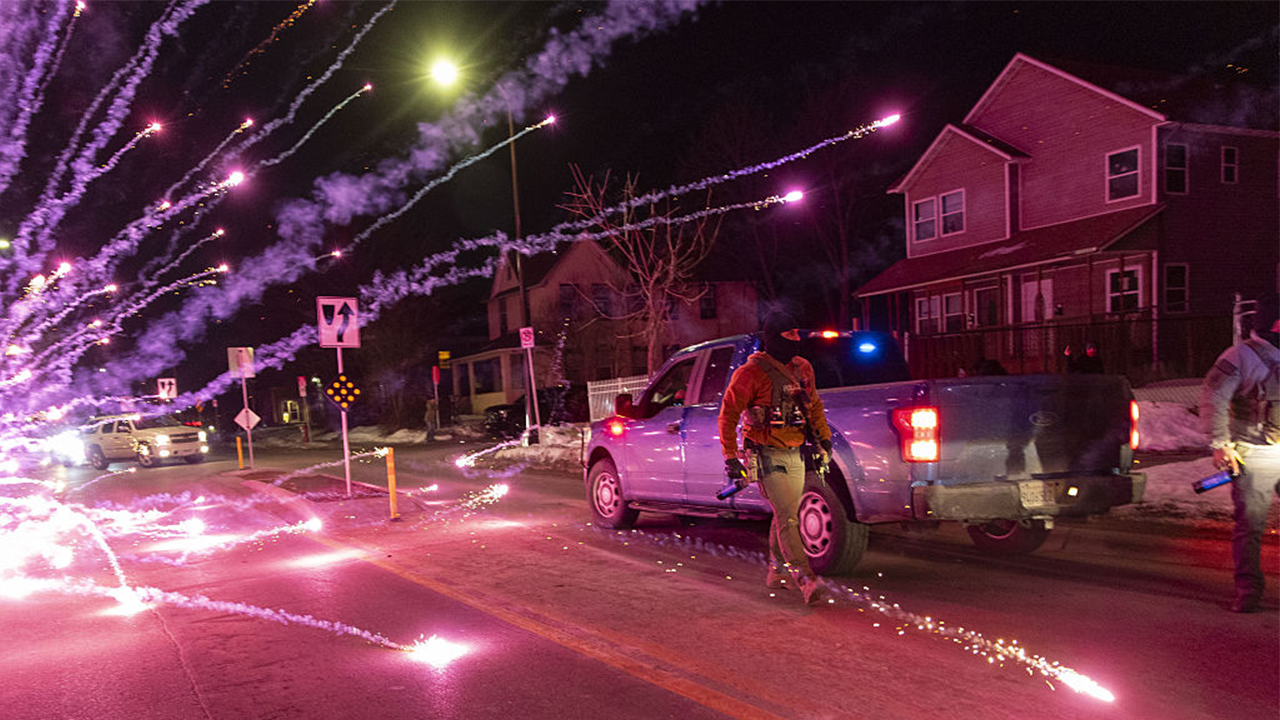
In a rapidly evolving news cycle, several critical stories emerged yesterday regarding immigration enforcement, international relations, and political developments. The morning began with reports of an Immigration and Customs Enforcement (ICE) agent wounded in what authorities described as an ambush attack, according to the Department of Homeland Security. This incident comes amid heightened tensions surrounding immigration policy and enforcement actions across the country. In a related development, federal prosecutors were reportedly terminated over an ICE shooting probe, raising questions about oversight and accountability within federal law enforcement agencies. These incidents highlight the increasingly complex and sometimes dangerous environment facing immigration officials as they attempt to carry out their duties in politically charged circumstances.
The international stage saw significant developments as former President Trump claimed that killings in Iran were subsiding while Kurdish fighters reportedly breached the border. These statements come at a time of heightened tensions in the Middle East, with Senator Lindsey Graham calling for the United States to use “any means necessary” to stop those responsible for the killing of Iranians. Meanwhile, key Republicans in Congress reportedly blocked an effort to restrain Trump’s policing power over Venezuela, showing the continuing influence of the former president on foreign policy matters. A top Iranian official has downplayed the death toll in recent events, blaming an “Israeli plot” as the U.S. considers potential military strikes. These developments demonstrate the complex web of international relationships and conflicts that continue to challenge American foreign policy.
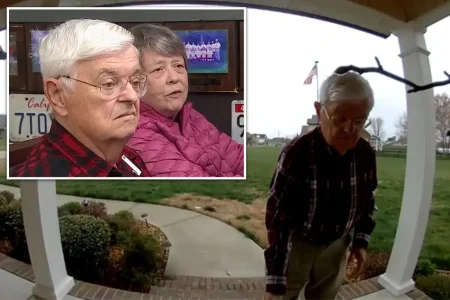
Law enforcement incidents captured public attention as footage emerged of a gunman ambushing an officer in a patrol car, with the nighttime attack caught on camera as bullets illuminated the darkness. In Minneapolis, the aftermath of another shooting continued to reverberate as Renee Good’s former father-in-law spoke out, stating “I don’t blame ICE” regarding the deadly incident. These events underscore the dangers faced by law enforcement officers and the emotional impact such incidents have on families and communities. Meanwhile, a university came under fire after a researcher allegedly made comments calling for the assassination of conservatives, exposing tensions surrounding political discourse in academic settings. These incidents reflect broader societal divisions and the sometimes violent manifestations of political disagreements.
The political landscape continues to evolve with reports that the Department of Homeland Security exposed the background of a New York City Council employee after Council Member Shahana Mamdani expressed frustration over an arrest, claiming there was “no authorization” for the action. This exchange highlights the tensions between local and federal authorities regarding immigration enforcement. Media coverage itself became part of the story as CNN faced criticism for its framing of inflation under Trump versus Biden in what became a viral post. A Washington Post columnist suggested that Democrats may have pushed “woke” politics too far, indicating potential shifts in mainstream media narratives. These developments reflect the ongoing battle over messaging and public perception that accompanies policy debates, with both sides seeking to control the narrative around key issues.
In the realm of opinion and analysis, commentators offered diverse perspectives on international affairs, with Franklin Camargo writing that “Socialism cost me my country. Trump arresting Maduro might help us get it back,” while Peter Navarro argued that “Trump’s Venezuelan oil move isn’t hypocrisy — it’s genius strategy to crush China and Russia.” These viewpoints represent the ongoing debate about American foreign policy, particularly regarding Venezuela and other nations where the U.S. has significant interests. On Capitol Hill, tensions flared as a representative reportedly told the DHS secretary “we will do whatever we need” to remove her, signaling the contentious relationship between Congress and the administration on immigration matters. These exchanges demonstrate the passionate and sometimes confrontational nature of current political discourse on issues ranging from border security to international intervention.
Beyond politics, everyday concerns affected Americans as chocolate bars were pulled from shelves nationwide over salmonella concerns, and 45 people reportedly fell ill from salmonella connected to a recalled diet supplement powder. Las Vegas reportedly struggled with visitor numbers plummeting to early 2000s levels, creating something of a “ghost town” effect in certain areas of the typically bustling destination. These stories remind us that amid the political battles and international crises, Americans continue to face more immediate concerns related to health, safety, and economic stability. The mixture of high-stakes political conflicts and everyday challenges creates a complex landscape for citizens to navigate, requiring attention to both immediate needs and longer-term policy implications that may affect their lives and communities for years to come.