


Afghan Suspect in National Guard Shooting: A Tragedy That Ignites Immigration Debate
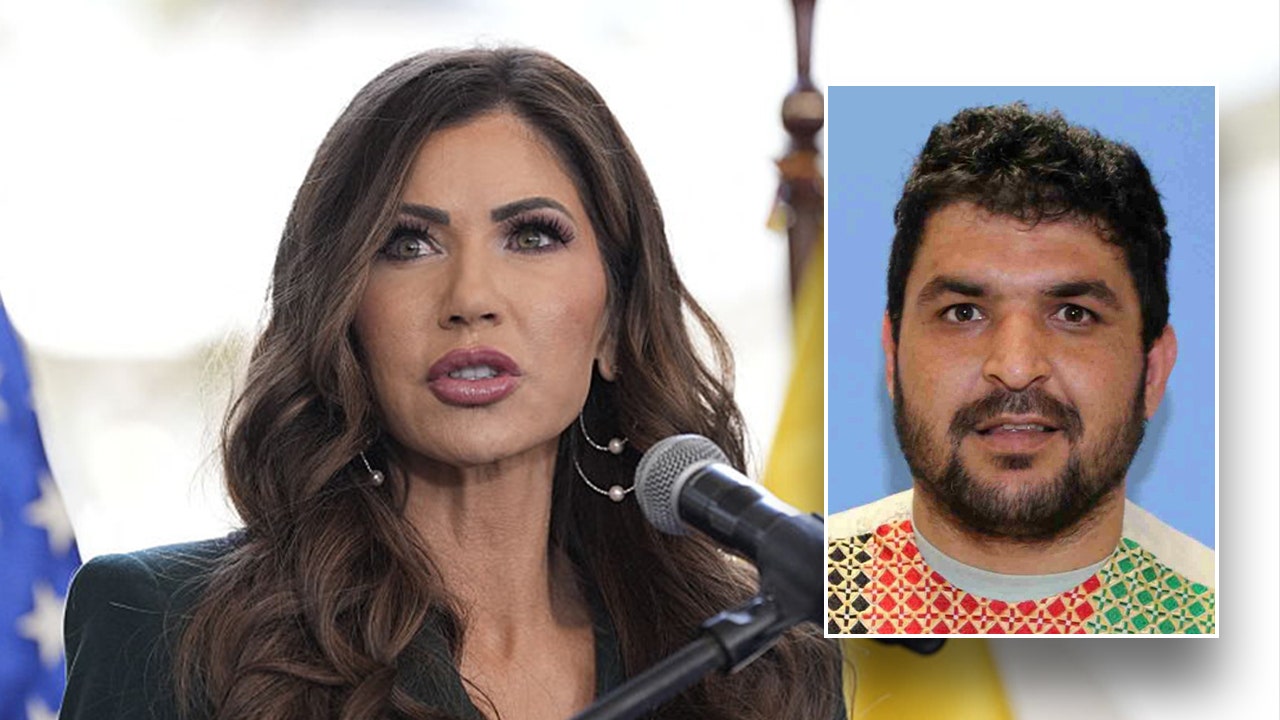
In a shocking development that has reverberated through Washington D.C. and across the nation, Homeland Security Secretary Kristi Noem revealed that authorities believe Rahmanullah Lakanwal, the 29-year-old Afghan immigrant accused of attacking National Guard members, became radicalized after arriving in the United States. The Wednesday shooting, which occurred just blocks from the White House, resulted in the death of one National Guard member and left another critically injured. This tragic incident has become a flashpoint in the ongoing national conversation about immigration policies and vetting procedures. “We believe he was radicalized since he’s been here in this country,” Noem stated during an NBC News interview, adding that investigators think the radicalization happened “through connections in his home community and state.” Law enforcement officials are continuing their investigation, speaking with family members and associates who interacted with Lakanwal to understand the full picture of how and why this attack occurred.
The case has drawn particular scrutiny because Lakanwal entered the United States legally in 2021 under the Biden administration’s Operation Allies Welcome. This program was designed to evacuate and resettle Afghan refugees during the chaotic withdrawal from Afghanistan as the Taliban regained control. While Noem acknowledged that Lakanwal’s asylum was formally granted during the Trump administration in April, she emphasized that the entire vetting process occurred during President Biden’s term. This timing has become a central point of contention in the political fallout from the shooting, with Noem sharply criticizing what she characterized as inadequate screening procedures. “When this abandonment of Afghanistan happened, the Biden administration put people on airplanes [and] brought them to the United States without vetting them,” Noem claimed, adding that the administration “brought them into our country and then said they would vet them afterward.”
The tragedy has reignited long-standing debates about national security and immigration policies, particularly regarding the screening of individuals from regions with known terrorist activities. According to Noem, the Trump administration has responded to the attack by implementing stronger vetting measures for incoming immigrants, including reviews of social media activity and monitoring of personal associations. These enhanced protocols reflect growing concerns about potential security threats and the challenges of identifying individuals who might become radicalized after entering the country. The shooting raises difficult questions about how effective any vetting process can be when radicalization occurs post-arrival, and what additional safeguards might be necessary to prevent similar incidents in the future. The case highlights the complex balance between humanitarian obligations to refugees and the paramount responsibility to protect American citizens and service members.
In the immediate aftermath of the Thanksgiving eve attack, former President Donald Trump announced plans to impose additional restrictions on migrants seeking entry to the United States, including what he described as a “halt on all immigration from Third World Countries.” Secretary Noem elaborated on this policy shift during her Sunday interview, stating, “The President is absolutely determined to stop all processes at this point in time from third-world countries until we can have a thorough opportunity to go through these individuals.” This approach represents a significant hardening of immigration policy and has already sparked intense debate about its scope, legality, and humanitarian implications. Critics argue such blanket restrictions may be overly broad and potentially discriminatory, while supporters contend they represent necessary precautions in the face of evident security failures.
The tragedy of the National Guard shooting extends beyond the political sphere, touching the lives of the service members and their families who have paid the ultimate price in this senseless act of violence. The attack against uniformed personnel just blocks from the White House carries profound symbolic weight, striking at the heart of American institutions and those who serve to protect them. As investigators continue to piece together Lakanwal’s path to radicalization, questions persist about what warning signs might have been missed and whether current systems for monitoring potential threats are adequate. The case underscores the evolving nature of security threats in the modern era, where ideological radicalization can occur rapidly through online connections and community influences, presenting challenges that traditional vetting procedures may not adequately address.
As the nation grapples with the implications of this attack, the discourse inevitably turns to broader questions about America’s immigration system, refugee policies, and the balance between compassion and security. The Operation Allies Welcome program, created during a humanitarian crisis and chaotic withdrawal from Afghanistan, now faces intense scrutiny over its implementation and safeguards. The coming months will likely see significant policy debates and potential reforms as lawmakers and security officials assess what lessons can be learned from this tragedy. Meanwhile, communities across America continue to welcome refugees and immigrants who flee persecution and danger, the vast majority of whom integrate peacefully and contribute positively to their new homeland. The challenge remains how to maintain America’s tradition as a refuge for the persecuted while ensuring that thorough and effective security measures protect the nation from those who would do it harm.