




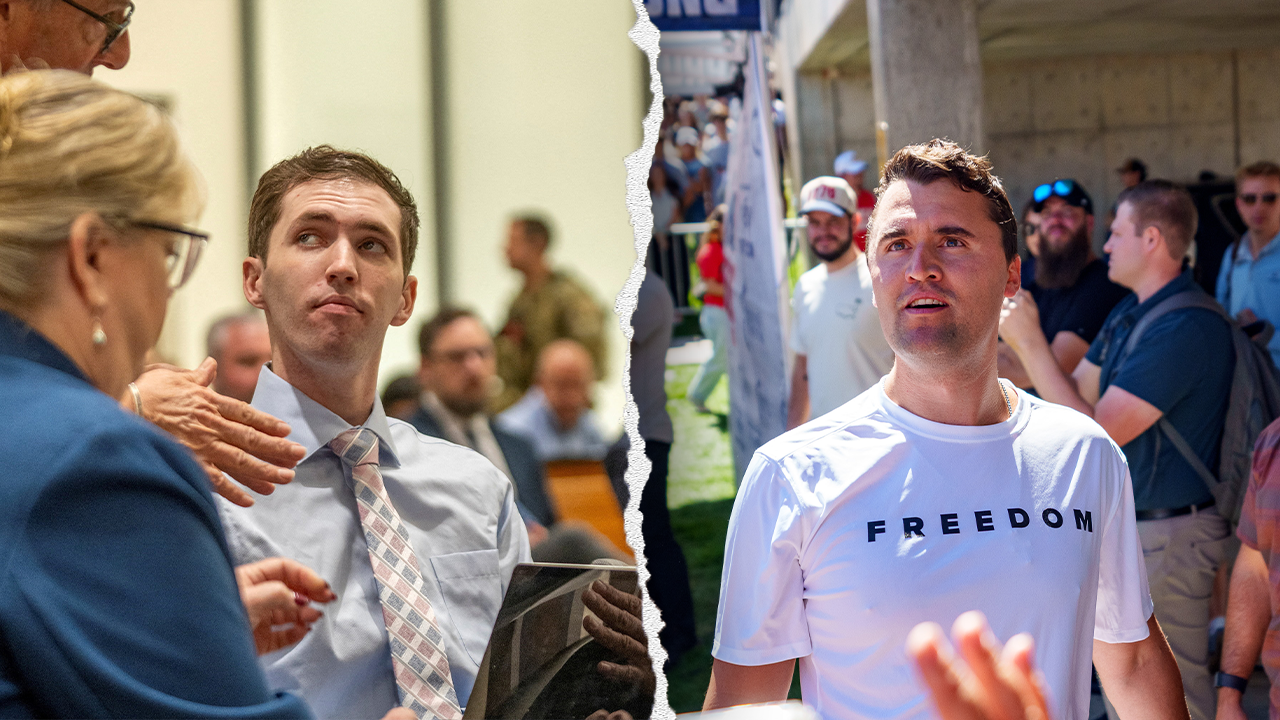
The upcoming preliminary hearing for 23-year-old Tyler Robinson marks a critical and deeply emotional milestone in a case that has stunned the nation. Robinson stands accused of the brazen assassination of Charlie Kirk, the 31-year-old founder of Turning Point USA, who was tragically gunned down by a sniper while speaking to thousands of young people at Utah Valley University last year. Scheduled for a week-long proceedings in Provo, Utah, this public hearing will determine if prosecutors possess sufficient probable cause to advance the case to a formal trial. Unlike the typical, secretive grand jury indictments, this process will play out in the open, allowing defense attorneys to cross-examine witnesses. While the burden of proof is lower than the “beyond a reasonable doubt” standard required for a conviction, the stakes remain incredibly high, keeping a grieving family and an anxious public on edge.
At the heart of the courtroom next week will be the heartbreaking human element of this tragedy. Kirk’s widow and his parents, carrying the immense weight of their sudden loss, are expected to sit through the grueling days of testimony. They will be forced to listen to the clinical and chilling details of how their beloved husband and son—a young father of two—was violently taken from them. Prosecutors argue that this was a targeted, politically motivated execution, alleging that Robinson went to extreme lengths to plan, execute, and cover up the murder. If the state secures a trial and ultimately a conviction on the top charge of aggravated murder, Robinson could face the death penalty, ensuring that every word spoken in the courtroom carries monumental consequences for everyone involved.
The evidence prosecutors plan to present paints a meticulous and highly technical portrait of the crime. Investigators claim to have found Robinson’s DNA on the trigger of the suspected murder weapon—his grandfather’s vintage Mauser rifle—as well as on a towel wrapped around the firearm, three of the bullets loaded inside, and a screwdriver discovered near the rooftop sniper’s perch. Although defense attorneys have pointed out that forensic ballistics could not conclusively match the fatal bullet to the rifle, analysts confirmed the caliber is consistent and successfully matched a spent casing found at the scene. Furthermore, despite Robinson living a four-hour drive away in Washington, Utah, eyewitnesses are prepared to place him directly at the university campus around the time of the shooting.
Complementing the physical evidence is a digital trail that prosecutors believe exposes Robinson’s guilt and immediate panic following the assassination. He allegedly sent a string of incriminating text messages and Discord communications, including a text to his lover, Lance Twiggs, expressing a desperate need to retrieve the hidden rifle. “Stuck in Orem for a little while longer yet,” Robinson allegedly wrote while hiding in the perimeter. “Shouldn’t be long until I can come home, but I gotta grab my rifle still.” Police eventually recovered the weapon in a wooded area near the campus along what they believe was Robinson’s escape route, where he reportedly came face-to-face with an officer securing the perimeter.
A central figure in the state’s case is Twiggs, who reportedly received a handwritten confession from Robinson but chose to cooperate with law enforcement in exchange for limited immunity. While Twiggs will not take the physical witness stand during this preliminary hearing, the prosecution plans to play a videotaped police interview that details his interactions with the suspect. According to investigators, Robinson engaged in witness tampering and obstruction of justice by begging Twiggs to delete their messages, destroy the handwritten confession, and remain completely silent under police questioning. Robinson also faces charges of committing a violent offense in the presence of a child and felony discharge of a firearm.
As the hearing begins, Robinson has yet to enter a formal plea, a step that will only occur if the judge rules that the state has met its burden of establishing probable cause. His defense team has previously utilized tactical delays, drawing comparisons from legal experts to high-profile stall tactics used by notorious killers in the past. However, with the public spotlight firmly fixed on Provo, this week’s proceedings will finally force the evidence into the light. For the Kirk family, the hearing represents a painful but necessary step toward justice, while for the public, it offers the first comprehensive look at the tragedy that silenced one of conservative media’s most prominent young voices.