





When Los Angeles County agreed to a historic $4 billion settlement in April 2025 to resolve over 11,000 claims of sexual abuse in its juvenile halls and foster homes, it was hailed as a watershed moment of accountability and a long-overdue path to healing. For decades, the system designed to protect the region’s most vulnerable children had instead harbored abusers, leaving thousands of survivors physically and emotionally scarred. The unprecedented financial package was intended to offer some semblance of peace, validation, and resources for survivors to rebuild their lives. However, this hard-won victory has quickly transformed into another painful chapter of betrayal, frustration, and systemic failure. What was meant to be a swift process of restorative justice has ground to a sudden halt, leaving those who suffered genuine trauma caught in a bureaucratic and legal crossfire that threatens to deny them the relief they have waited a lifetime to receive.
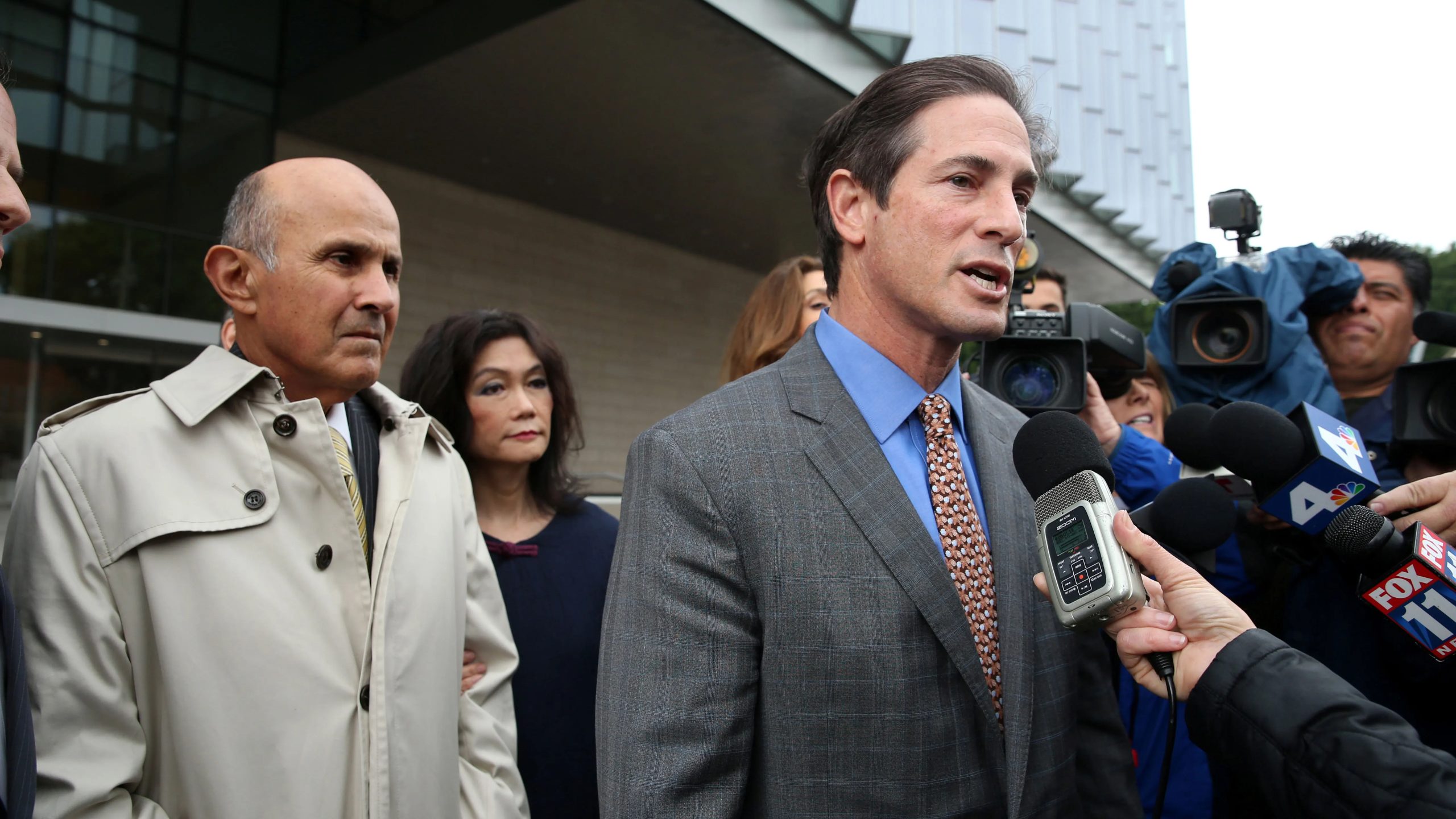
The promise of closure shattered when a sweeping exposé by the Los Angeles Times uncovered a dark underbelly of greed surrounding the administration of the settlement fund. The investigation revealed that the noble goal of compensating suffering children had been corrupted by predatory recruiters who actively sought out individuals to file fabricated claims in exchange for cash kickbacks. According to the report, several plaintiffs admitted they had been paid by these third-party recruiters to join the massive class-action lawsuit, with multiple individuals confessing that their allegations of abuse were entirely manufactured. This revelation sent shockwaves through the legal community and outraged Los Angeles County District Attorney Nathan Hochman, who denounced the bad actors for treating a sacred process of healing as a personal ATM. Hochman lamented that these opportunists saw the tragic suffering of actual victims merely as a chance to secure blood money, initiating a aggressive criminal probe to preserve the integrity of the funds.
In a stunning escalation of his investigation, District Attorney Hochman has now leveled an alarming allegation, asserting that up to 80 percent of the claims filed within the juvenile hall portion of the settlement—which makes up the vast majority of the lawsuits—could be completely fraudulent. Armed with these staggering figures, Hochman has formally petitioned the overseeing judge to freeze all financial payouts for a period of six months while his office conducts a exhaustive, top-to-bottom vetting process. Hochman argues that the previous screening measures utilized by the various agencies managing the claims were dangerously lax, creating a perfect storm for exploitation. From the district attorney’s perspective, freezing the funds is the only ethical way to protect real survivors, ensuring that the epic $4 billion pot of money is not completely drained by criminal opportunists before genuine victims ever get a chance to see a dollar.
At the center of this controversy stands the Downtown LA Law Group (DTLA), a legal firm that represented the nine plaintiffs initially highlighted by the media investigation as having been manipulated by street-level recruiters. Facing intense public scrutiny and aggressive audits, DTLA has fiercely defended its professional integrity, adamantly denying that it ever engaged in recruiting clients or turned a blind eye to fraudulent activity. A spokesperson for the firm emphasized that they aggressively vetted potential applicants, turning away more than 70 percent of those who walked through their doors seeking representation. To prove their commitment to transparency, DTLA funded a rigorous, independent third-party audit of over 1,000 of their clients, subjecting each one to deep neutral interviews to guarantee validity. The firm maintains that they are being unfairly singled out and scapegoated in a political theater, arguing that if their files are to be subjected to such extreme suspicion, then every other legal firm involved in the massive settlement must face the exact same microscopic examination.
While the legal battles, audit arguments, and political finger-pointing dominate court filings, the human collateral of this delay is devastatingly real. For the thousands of actual survivors of horrific county-run foster and juvenile facility abuse, the proposed six-month freeze on payments feels like a cruel, secondary victimization by the very system that failed them decades ago. Having already survived the physical violence of their youth, and then the painful ordeal of reliving their trauma for legal declarations, these individuals now find their credibility openly questioned. Survivor advocate and plaintiff attorney Patrick McNicholas captured the profound exhaustion and despair of his clients, noting that they are beyond frustrated and feel like they are being punished for the actions of a few bad actors. For a survivor waiting on settlement funds to pay for lifelong therapy, housing, or medical care, a six-month delay is not merely a legal pause—it is a crushing emotional setback that reopens deep, unhealed wounds.
The agonizing moral dilemma of this crisis will culminate in a critical courtroom showdown before Superior Court Judge Lawrence Riff, who must decide whether to grant the District Attorney’s request for a total freeze on payouts. Judge Riff is tasked with balancing the scales between two crucial principles of justice: the absolute necessity of preventing systemic fraud and safeguarding taxpayer dollars, against the urgent, humane duty of delivering long-delayed compensation to deeply traumatized human beings. The Downtown LA Law Group has expressed its willingness to cooperate fully with Hochman’s office to isolate and root out any illegitimate claims as long as genuine survivors are not abandoned in the process. As the legal community watches closely, the survivors themselves wait in a painful limbo, hoping that the pursuit of truth will not ultimate cost them the very justice they have spent their entire lives fighting to secure.