





In the quiet, tree-lined neighborhoods of Shreveport, Louisiana, a scene of unimaginable terror unfolded early Sunday morning, shattering countless lives and leaving a community in profound grief. Just days ago, the world mourned the loss of eight young children—Jayla Elkins, a bright-eyed 3-year-old who loved dancing to her favorite songs; Shayla Elkins, 5, whose infectious laugh echoed through family gatherings; Kayla Pugh, 6, an aspiring artist with crayons constantly in her small hands; Layla Pugh, 7, a budding gymnast flipping with untamed energy; Markaydon Pugh, 10, a soccer enthusiast chasing dreams on the field; Sariahh Snow, 11, a storytelling prodigy spinning tales of far-off adventures; Khedarrion Snow, 6, a curious explorer collecting rocks and bugs; and Braylon Snow, 5, a little adventurer who believed in heroes from his bedtime stories. These weren’t just names or numbers; they were vibrant souls, full of potential and innocent joy, living in what seemed like an ordinary family home until violence descended like a nightmare they couldn’t wake from. Their mothers, hearts broken beyond repair, painfully identified their children through the cold process of official paperwork from the Caddo Parish Coroner’s Office, a step that no parent should ever have to take. The sheer ordinariness of their lives—a cozy house filled with toys, laughter, and the simple routines of childhood—makes the horror even more heartbreaking. Imagine the breakfasts left unfinished, the bedrooms cluttered with stuffed animals and half-read books, the tiny shoes lined up by the door that would never be worn again. These children represented the future, dreams cut short in an act of senseless rage that began with a domestic dispute. As details emerge, we learn that they were sleep-imagined wrapped in their blankets, unaware of the storm brewing outside their windows. The eldest, Sariahh at 11, might have been dreaming of her first day back at school, while little Jayla clutched a favorite doll. In this one act, a deranged individual stole not just lives but the warmth of a loving family home, turning it into a tomb.
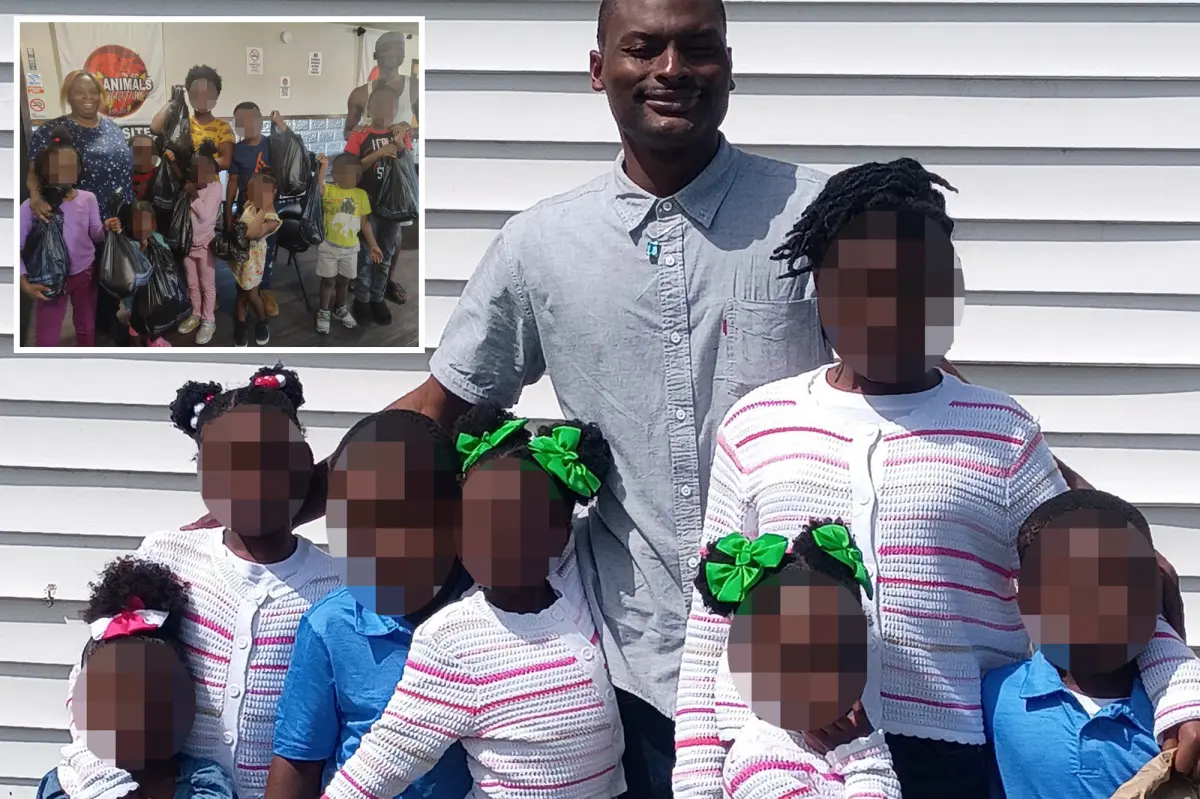
The man responsible for this atrocity was 31-year-old Shamar Elkins, a former Army veteran whose service had ostensibly prepared him for sacrifice, not for such destruction. Elkins, driven by what reports describe as a searing argument with his wife around 6 a.m., unleashed a rampage that betrayed every ounce of trust and love that should have protected these little ones. Astonishingly, he was the father to seven of the eight children—Jayla, Shayla, Kayla, Layla, Markaydon, Khedarrion, and Braylon—biological ties that should have bound him to their protection rather than their demise. The eighth, Sariahh, was his niece, a cousin to the others, making the betrayal even more familial and profound. This wasn’t a stranger’s invasion; it was a parent’s fury boiling over into irrevocable horror. Locally, officials confirm the relationships, painting a picture of a man possibly grappling with unseen demons—personal struggles, perhaps exacerbated by his military background, where post-traumatic stress or unresolved anger might have simmered beneath the surface. Neighbors recall him as a quiet figure, occasionally mowing the lawn or gathering the kids for backyard games, but whispers of tension in the household had circulated for months. His wife, the mother to many of these children, had reportedly confided in friends about arguments that escalated, hallmarks of domestic violence that too often foreshadow tragedy. Yet, in the eyes of the community, he was a family man, a veteran afforded respect and understanding. Now, his name is synonymous with infamy, a reminder of how mental health crises, untreated trauma, or unchecked rage can lead good people astray. The human side of this isn’t just about a headline; it’s about a man who, somewhere along the way, lost his way, carrying wounds that turned inward and outward, devastating those he claimed to love. His actions force us to confront the fragility of mental well-being, especially among veterans who serve honorably but sometimes return changed, isolated, and dangerously volatile. In humanizing him, we see not a monster, but a flawed individual whose choices cascaded into catastrophe, leaving families to grapple with “what if” questions that haunt the living.
As dawn broke over Shreveport on that fateful Sunday, the rampage escalated from marital discord into a lethal storm within the family’s modest home. Shreveport Police Department spokesman Christopher Bordelon revealed the grim details to NBC News: most of the children were tragically shot in the head while they slept, their peaceful slumber violated by gunfire that echoed through the walls. Such violence doesn’t depict cold-blooded murder in abstract terms; picture the soft rise and fall of tiny chests under covers, interrupted by deafening blasts that shattered innocence. One child, desperate and brave despite their tender age, attempted to flee by climbing onto the roof—a harrowing testament to a survival instinct kicking in amid chaos—but was mercilessly cut down in that vulnerable escape. It’s gut-wrenching to imagine: a little body scrambling under the stars, pleading silently with the sky, only to be met with fatal finality. Elkins, in his frenzied rage, didn’t stop at his children; he also shot and wounded two women, underscoring the deadly breadth of his assault. These women, likely kin or loved ones in the household, bore the physical and emotional scars of confrontation, their wounds a mirror of the family’s broader anguish. Reports indicate Elkins eluded immediate capture, wandering the streets in a haze of mania before law enforcement intervened. The human toll is immeasurable: beyond the deaths, there are the survivors grappling with survivor’s guilt, the fear that haunts sleepless nights, and the community’s collective disbelief that such evil could fester in a place known for its Southern hospitality. This wasn’t a random act but a crescendo of unresolved conflict, highlighting how domestic arguments can escalate into irreversible bloodshed. As investigators piece together the timeline, we’re left with stories of a house that was once a sanctuary—now a crime scene cordoned off with yellow tape, where bullet holes punctuate the silence. Humanizing this is recognizing the terror in those final moments: the confusion turning to fear in young minds, the frantic scramble for safety, the desperate bid to protect siblings. It’s a stark reminder that violence doesn’t discriminate by age or innocence, leaving imprints on souls long after the bullets cease.
The victims’ lives, though short, were rich with love and potential, cherished by mothers who now face a void that irreparably alters their world. For the Elkins and Pugh mothers, identifying their children was an agonizing rite, confirming what words failed to express—the devastating reality of holding lifeless little hands, brushing away blood for one last tender touch. Jayla, at 3, might have been toddling toward her first words or drawing messy hearts; Shayla, 5, could have been learning her ABCs with wide-eyed wonder. Kayla and Layla Pugh, 6 and 7, might have shared secrets under the covers, planning imaginary tea parties. Markaydon, 10, perhaps dreamed of scoring the winning goal, his energy boundless. Khedarrion, 6, and Braylon, 5, were the littlest, their days filled with hid-and-seek and boundless curiosity. Sariahh, 11, the oldest, stood as a protector in spirit, a niece fondly remembered for her nurturing ways. Families across Shreveport and beyond are sharing memories: birthday parties with cake-smeared faces, holidays replete with laughter, school projects pinned proudly on refrigerators. Grandparents weep for lost cuddle sessions, teachers grieve unfulfilled talents, and friends mourn playdates that won’t happen. The Snow mothers add another layer, having lost precious Khedarrion, Braylon, and Sariahh, their home now echoing with absence. Humanizing means dwelling on these fragments—the handmade cards, the scraped knees patched with kisses, the futures envisioned in graduation caps and wedding vows. Domestic violence, the shadow behind this slaughter, affects millions; here, it destroyed a generational tapestry, leaving widows, orphans, and bereaved relatives to reconstruct lives from ashes. In recovering from such trauma, communities often rally, pooling support through vigils, donations, and counseling, yet the ache remains, a testament to children’s unparalleled vulnerability. Reflecting on their spirits, we honor them not as statistics but as eternal lights, urging society to protect the young from familial fractures.
Law enforcement’s swift and decisive action ultimately ended the rampage, as officers confronted and killed Shamar Elkins, bringing a semblance of closure to the immediate crisis. Shreveport police, responding to calls of gunfire and chaos, entered a volatile scene, prioritizing the safety of any remaining survivors while neutralizing the threat. Chris Bordelon emphasized the professionalism amid peril: trained responders storming a blood-spattered home, heart pounding, aware that every second counted. In human terms, these officers aren’t faceless authorities but heroes bearing the weight of trauma, signing onto shifts that turn into nightmares. Elkins’ death marked the finale of his violent spree, but not the story’s end—investigations continue, probing motives, mental health histories, and missed red flags that could have averted disaster. Family services and counselors flood the area, offering solace to the shattered, but the psychological aftermath lingers like a storm cloud. Crowds gather at impromptu memorials, sharing stories of the fallen, their faces immortalized in photos amid candles and flowers. This tragedy amplifies the urgent need for domestic violence intervention, where early warnings might mean saved lives. As a developing story, updates trickle in: bodycam footage reviewed, timelines clarified, and pleas for policy change amplified. The human element shines through in the officers’ debriefings, where shaken voices recount the horrors inside that house, motivating reforms in mental health support for veterans and battered families alike.
In the broader tapestry of American life, this Louisiana massacre joins a sorrowful litany of domestic violence tragedies, spotlighting systemic failures that allow rage to claim innocent lives. Nationally, statistics reveal that children are too often collateral in familial conflicts—over 600 killed yearly by abusers, many in their sleep, like these eight. The fragility of family structures, strained by economic pressures, mental health stigmas, and inadequate support, underscores the imperative for change. Humanizing this means empathizing with communities that mourn collectively, from neighbors donating blood to strangers sending toys in honor of the lost. Vigils draw hundreds, voices raised in hymns and prayers, demanding safer homes and accessible therapy. Scholars point to veteran-specific challenges, where reintegration hurdles contribute to tragedies, pushing for better VA resources. At its core, this is a call for humanity: to listen to whispered cries for help, to intervene before arguments turn deadly, and to value the sanctity of childhood above all. As we reflect, let’s remember Jayla, Shayla, Kayla, Layla, Markaydon, Sariahh, Khedarrion, and Braylon not merely as victims, but as beacons urging a kinder, more vigilant world. Their stories compel us to action—funding domestic violence prevention, supporting families, and healing wounds so no more stories end in darkness. In honoring their memory, we find purpose, ensuring their light endures. This narrative evolves; check for further updates as justice seeks answers.