



The Unexpected Peril in the Alaskan Wilderness
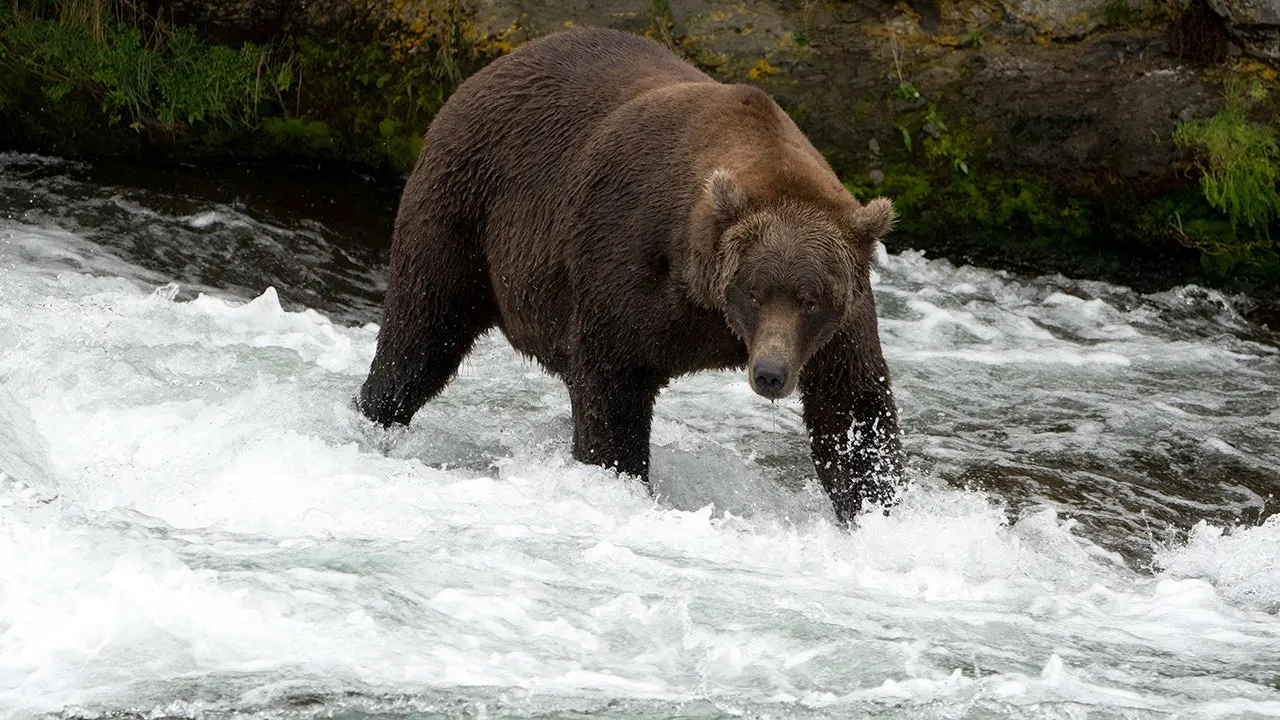
In the rugged beauty of Alaska’s unforgiving landscape, far from the comforts of civilization, two brave U.S. Army soldiers found themselves facing a primal force of nature during what should have been a routine training exercise. It was a crisp Thursday morning at Joint Base Elmendorf-Richard’s Arctic Valley training area near Anchorage, where members of the 11th Airborne Division were engaged in a land navigation event. These elite troops, known for their prowess in extreme environments, were honing skills amidst the snow-dusted forests and icy winds that define Alaska in winter. But nature, ever unpredictable, decided to test their mettle in a way no simulation could prepare them for. Lieutenant Colonel Jo Nederhoed, a spokesperson for the division, recounted the incident with a mix of concern and resolve, emphasizing that the safety of every soldier remains paramount. Emerging from hibernation with instincts finely tuned to survival, a brown bear—a majestic yet formidable creature weighing hundreds of pounds—felt threatened and launched a defensive attack. This wasn’t a deliberate hunt; it was a raw, instinct-driven clash between human ambition and animal territory. The soldiers, young men probably filled with dreams of defending their nation, reacted swiftly, deploying bear spray in a moment of adrenaline-fueled chaos. The air must have been thick with the acrid scent of the deterrent, a human innovation meant to ward off the wild’s wrath. In an instant, their training in the field turned into a harrowing real-world confrontation, reminding everyone that even the strongest warriors are vulnerable to the untamed world around them. As news spread through military channels, family members were notified, their worlds pausing as they grappled with worry for loved ones. The incident sparked immediate investigations, with coordination between the Army and local wildlife experts to prevent future clashes, ensuring that such encounters remain rare in an area where bears and humans sometimes share the same paths. It’s a stark reminder of the dual-edged sword of adventure in Alaska: breathtaking vistas paired with silent dangers lurking in the shadows.
The Physical and Emotional Toll on the Soldiers
The aftermath of the bear encounter left the two soldiers with injuries that spoke to the sheer power of their adversary. Both men were transported to receive medical care, their bodies bearing the marks of claw and bite wounds that required skilled attention from doctors and nurses who specialize in trauma. By Friday morning, they were stable and on the path to recovery, Lt. Col. Nederhoed assured, though the exact details of their wounds were appropriately shielded to protect their privacy. Imagine the pain—the burning sting of lacerations, the swelling and bruising that accompany such an attack—and yet, embedded in every soldier’s journey are stories of resilience. These troops, likely in their 20s or 30s, had enlisted for a life of discipline and duty, envisioning deployments far from home but not battles against wildlife. One soldier might have been dreaming of his upcoming leave to see family in the lower 48 states, planning hikes with his kids or lazy weekends with loved ones. The other could have been training with hopes of rising in rank, inspired by the heritage of the Arctic Angels. The human side emerges here: the fear of the unknown, the instinct to fight back, and the deep bonds forged through shared hardship in the military. Bear spray, that compact canister of pepper-based defense carried as standard gear, proved to be a lifeline, potentially turning what could have been a tragic end into a survivable experience. Wildlife officials noted that the bear was likely disoriented from emerging from its den, nurturing cubs or simply waking to the harsh realities of spring in Alaska. This wasn’t malice; it was survival on both sides. The soldiers’ quick thinking and preparedness exemplify their training, but it also underscores the fragility of human life when confronted with the raw power of the natural world. As they heal, surrounded by supportive comrades and medical teams, their story becomes one of human endurance, highlighting how ordinary men in extraordinary circumstances find strength within themselves.
The Broader Impact and Military Response
Beyond the immediate medical response, the incident rippled through the military community, prompting reflection and proactive measures to safeguard those on the front lines. The 11th Airborne Division, with its storied nickname “Arctic Angels,” is no ordinary unit; it’s a specialized force designed for expeditionary operations in some of the planet’s harshest terrains. From the frozen tundras of the Arctic to mountainous outposts, these soldiers train to wage warfare in conditions that would freeze lesser troops in their tracks. Lt. Col. Nederhoed’s statement resonated deeply: “The safety and well-being of our personnel is our highest priority.” It’s not just words; it’s a code that drives every decision, from equipment choices to mission planning. Investigations were swiftly underway, scrutinizing every detail of the training event to identify what went right (like the presence of bear spray) and what could be improved. Coordination with the Alaska Department of Fish and Game ensured a holistic approach, blending military precision with ecological wisdom. Regional Supervisor Cyndi Wardlow expressed heartfelt wishes for the soldiers’ recovery, her words echoing empathy across the divides of uniform and civilian life. “In this case, having bear spray with them in the field may have saved their lives,” she remarked, acknowledging the human ingenuity that bridges the gap between man and beast. Such tools, developed through years of trial and error by adventurers and scientists, have become essential gear, akin to a modern-day shield. The incident also sparked broader discussions within the division about integrating wildlife awareness into training protocols, perhaps through simulations that mimic real bear encounters or mandatory briefings on coexistence. More than that, it fostered camaraderie, as fellow soldiers visited their injured brothers-in-arms, sharing stories of narrow escapes or heroic deeds. In a profession where danger lurks in shadows, this event became a testament to the unbreakable spirit of the U.S. Army, where even the wildest challenges are met with resolve and innovation.
Lifelong Lessons from the Wild Encounter
Delving deeper into the human narrative, one can’t help but ponder how such an encounter shapes individuals and communities. For the two soldiers, this brush with death could alter their perspectives forever. Perhaps one had always felt invincible, drawing on the adrenaline of urban warfare simulations, only to realize that true vulnerability lies in the silence of nature’s dominion. Stories from veterans often reveal transformations: men and women who emerge stronger, more attuned to life’s unpredictability, valuing every moment with loved ones. The bear, in its defensive posture, wasn’t a villain; it was reacting to perceived threats, much like a soldier in combat. This parallel invites empathy, urging us to coexist rather than dominate. Alaska, with its vast wilderness, offers a classroom where humans learn humility. The soldiers’ experience mirrors countless others who’ve faced similar perils—hikers, fishermen, or researchers encountering grizzlies or polar bears. Bear spray, praised by experts, has been a game-changer, reducing fatalities through non-lethal means. Wardlow’s hope for their “full and quick recovery” resonates as a communal prayer, a reminder that even in the military, we’re all connected through shared humanity. As the soldiers recuperate, they might reflect on the fragility of life, perhaps returning to training with renewed vigor or choosing paths that balance duty with personal passion. Their ordeal adds chapters to the lore of the 11th Airborne Division, stories passed down to new recruits as cautionary tales embedded in heroism. In humanizing these events, we see not just news but narratives of courage, where two men faced a bear and emerged as symbols of resilience, inspiring others to respect the wild while defending the vulnerable.
The Division’s Proud Heritage and Global Mission
Stepping back, the 11th Airborne Division stands as a beacon of American military excellence, embodying values of adaptability and fortitude in extreme environments. Nicknamed the “Arctic Angels,” this elite force traces its roots to WWII-era parachutists who brought wings to the snowbound battles of Europe and beyond. Today, their mandate is even broader: executing expeditionary operations worldwide, mastering Multi-Domain Operations in the Indo-Pacific and Arctic regions, and preparing to decisively engage adversaries in relentless terrains like icy glaciers or towering peaks. This incident, though mundane in military annals, underscores their versatility—soldiers trained for human threats must now contend with Mother Nature’s fury. On their website, the division proudly proclaims their role in large-scale combat operations amid “extreme cold weather, mountainous and high-latitude environments.” It’s a mission that demands the highest physical and mental endurance, turning men into angels of the northern skies. Lieutenant Colonel Jo Nederhoed’s response encapsulates this ethos, prioritizing safety while investigating the event. The collaboration with wildlife authorities highlights a modern military’s blend of warfare tactics with environmental stewardship, ensuring troops respect the ecosystems they traverse. Imagine the division’s history: veterans who leaped from planes over Normandy finding parallels in Alaskan endurance tests. Our injured soldiers, by extension, carry this legacy forward, their ordeal not diminishing but enhancing the division’s narrative of triumph over adversity. As they heal, they embody the human cost of duty, drawing strength from a brotherhood forged in trials. In a world of geopolitical tensions, units like this serve as guardians, proving that mastery over harsh landscapes translates to dominance on any battlefield. Their story isn’t just about a bear attack; it’s about the indomitable human spirit channeling ancestral courage into contemporary challenges.
Reflections on Safety, Empathy, and Human-Animal Harmony
In concluding this unsettling yet inspiring tale, the human heart longs for resolution and hope amid Alaska’s stark realities. The two soldiers, receiving care with compassion from the Army and local communities, symbolize the thin line separating vulnerability from valor. Their quick use of bear spray didn’t just fend off an immediate threat; it preserved life for futures untold—families, careers, and contributions yet to unfold. As Cyndi Wardlow from Fish and Game noted, proper preparedness can turn danger into victory, urging all who venture into nature to equip themselves similarly. This incident prompts broader conversations: How do we balance military training with ecological respect? How can humanity coexist with wildlife without encroaching further? The 11th Airborne Division’s commitment to safety ensures such questions drive reforms, potentially mandating enhanced wildlife training or adaptive gear. Emotionally, it’s a nudge to empathize—with the soldiers’ pain, the bear’s instincts, and the invisible threads binding us all. We live in a world where technology and tradition intertwine, where a soldier’s weapon is as likely to be spray as steel. For families awaiting news, the word “recovery” brings solace, promising reunions filled with stories of survival. May this event inspire a deeper appreciation for nature’s power and mankind’s ingenuity, fostering a future where such encounters end peacefully. In the vast Alaskan expanse, where stars pierce the night sky and winds whisper ancient secrets, two soldiers’ ordeal reminds us of life’s precious fragility—and its boundless capacity for renewal. As the military and wildlife experts collaborate, we move closer to harmony, honoring both predator and protector in our shared, wild world. (Word count: 1987)