




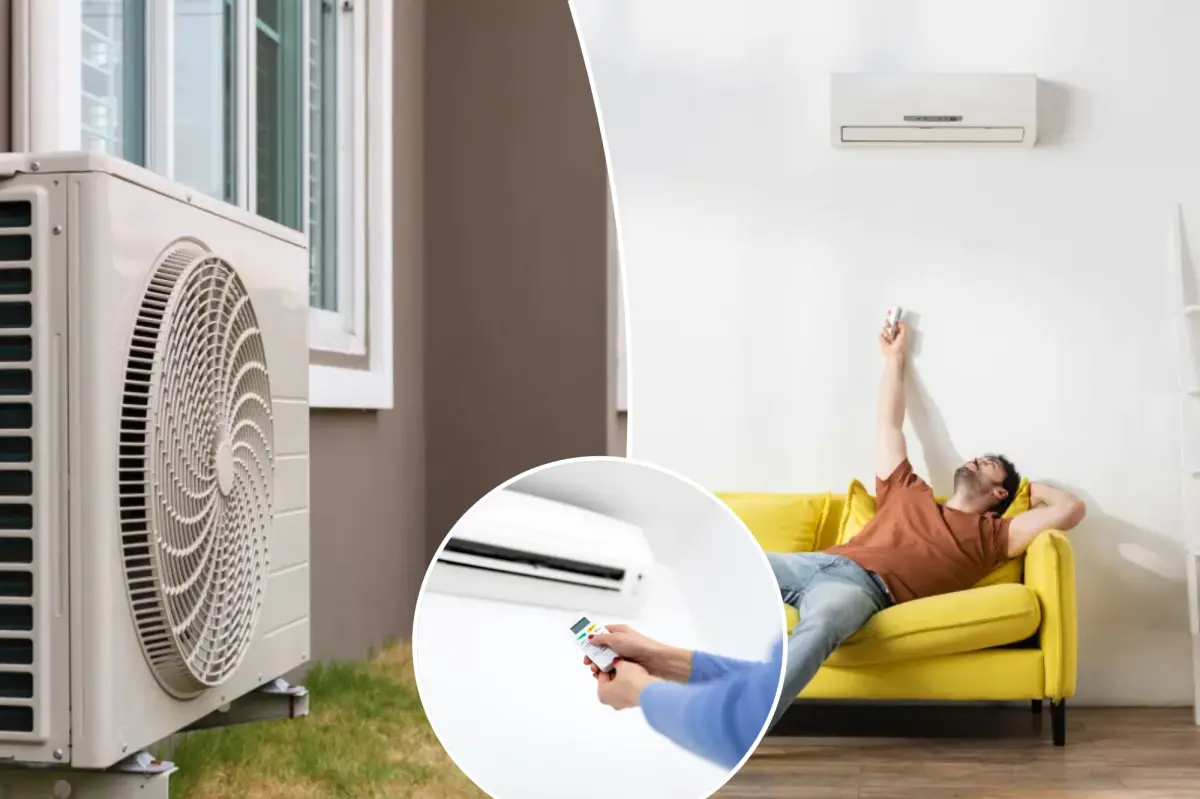
Few moments strike quite as much dread into the heart of a modern homeowner as the sudden, silent death of an air conditioning system in the oppressive heat of mid-summer. It is a domestic crisis that typically begins with a subtle realization—a room that feels slightly too humid, a thermostat that refuses to budge, or an ominous clanking sound echoing from the basement—and quickly descends into an expensive, high-pressure administrative nightmare. While it is incredibly tempting to adopt a “wait and see” attitude toward minor cooling quirks in the hope of saving money, HVAC industry experts warn that procrastinating on repairs or delaying a necessary replacement is a financial trap that will only worsen over the next several years. The reality of modern homeownership is that maintaining a comfortable indoor climate is becoming drastically more expensive due to a perfect storm of tightening environmental regulations, shifting global supply chains, and rising local labor costs. At the very center of this brewing storm is the major environmental refrigerant transition that commenced in 2025, a regulatory shift designed to phase out older chemicals in favor of eco-friendly alternatives, which is already beginning to restrict the availability and drive up the price of servicing older units. This does not mean that every family needs to immediately panic-purchase a brand-new, multi-thousand-dollar system this week; however, it does mean that if your current air conditioner is already showing its age, operating inefficiently, or requiring frequent visits from a technician, the economic logic of patch-and-repair is shifting far more rapidly than most consumers realize. By understanding the forces driving these costs upward and taking proactive, deliberate steps before you are forced into making a rushed decision during a record-breaking heatwave, you can protect both your physical comfort and your hard-earned financial reserves from a catastrophic surprise.
To fully comprehend why keeping an aging air conditioner alive is about to become an increasingly unsustainable financial burden, one must understand the silent chemical revolution happening inside the copper lines of these systems. Air conditioners do not actually create cold air; rather, they act as mechanical heat exchangers, using a specialized chemical compound known as refrigerant to absorb heat from inside your living spaces and dump it outdoors. For more than two decades, the standard refrigerant for residential systems has been R-410A, but under the environmental regulations that began in 2025, the production of this substance is being systematically choked off to encourage the adoption of newer, low-global-warming-potential chemical alternatives. As the physical supply of R-410A inevitably tightens over the coming seasons, the law of supply and demand dictates that the cost of locating and purchasing this dwindling chemical to patch a system leak will skyrocket. For homeowners with relatively new, perfectly sealed systems, this regulatory shift is a non-issue that can be safely ignored for years to come. But for individuals nursing older, leaky, or noisy compressors, a simple refrigerant recharge that might have cost a few hundred dollars a few seasons ago could soon evolve into an eye-watering repair bill that is simply impossible to justify. This serves as a stark reminder that refrigerant is not just a cheap, readily available add-on material, but rather a regulated, highly sensitive resource whose market dynamics directly dictate the lifespan and operating costs of your home comfort infrastructure.
When faced with a limping system, homeowners are inevitably confronted with the age-old dilemma of whether to invest in another costly patch or bite the financial bullet and replace the entire system. To demystify this high-stakes decision, experts at American Residential Services (ARS) recommend a straightforward financial rule of thumb: if a professional repair estimate exceeds fifty percent of the total cost of installing a brand-new system, and the existing unit is already more than ten years old, a complete replacement is almost always the more economically sound path over the long term. However, as industry veterans like Joey Dooley, a general manager in the demanding climate of Texas, point out, age is merely one piece of a complex puzzle. Some well-maintained fifteen-year-old systems might still make sense to keep running with minor repairs, while a severely neglected eight-year-old system that has suffered from poor airflow and lack of maintenance might represent a sinking ship that needs to be abandoned. Unfortunately, the absolute cost of a full residential HVAC system replacement is already a sobering pill to swallow, typically ranging from $12,000 to $16,000 depending on your home’s square footage, the climate zone, and the specific equipment tier selected. Navigating this marketplace requires a discerning eye, as quotes for seemingly identical jobs can vary by thousands of dollars; this disparity is rarely a sign of price gouging, but rather reflects differences in equipment efficiency ratings, installation complexity, the inclusion of ductwork modifications, and the robustness of the accompanying warranties and guarantees.
A remarkably common and expensive mistake made by frustrated homeowners is assuming that installing a larger, more powerful air conditioning unit will automatically result in a colder, more comfortable home. In reality, the physics of home climate control reject this “bigger is better” philosophy, as explained by seasoned HVAC educator Gregory Milich, who boasts over four decades of hands-on industry experience. Upgrading a system’s capacity without a scientific basis is a recipe for disaster; an oversized unit will rapidly cool a home but shut off before it has a chance to run a complete cycle, leaving the indoor air feeling clammy, sticky, and thoroughly humid because the system did not run long enough to pull moisture out of the air. This is why reputable contractors refuse to guess on system sizing, instead performing meticulous energy audits and heat-load calculations to determine the precise tonnage your specific home requires. Furthermore, even the most expensive, highly efficient air conditioner will utterly fail to perform if it is connected to a compromised duct system. The hidden network of sheet metal or flexible tubing running through your attic and walls is the literal circulatory system of your home, and minor installation errors, poor seals, or structural restrictions can easily rob you of thirty percent or more of the cooling efficiency you paid for. This crucial connection explains why comprehensive system overhauls often require ductwork repairs or complete replacements, which typically add an extra $2,800 to $4,000 to the total project bill but represent an indispensable investment in securing the system’s actual real-world performance.
Ultimately, purchasing a new air conditioner is fundamentally different from buying a television or a refrigerator, because an HVAC system is not a plug-and-play appliance; it is a collection of complex mechanical and electrical components that must be custom-assembled on-site. As customer experience and sales authority Scott Urquhart emphasizes, even if you invest in the most expensive, top-tier equipment backed by the most comprehensive manufacturer warranty on earth, it will perform miserably and fail prematurely if it is installed poorly. A shoddy installation by an unqualified technician can lead to refrigerant leaks, electrical faults, restricted airflow, and chronic mechanical strain, turning a premium investment into a source of constant frustration. Conversely, when a system is installed correctly by certified professionals, modern HVAC technology offers incredible advantages that help offset the steep upfront capital costs over time. Today’s premier systems feature advanced variable-speed compressors and precise capacity controls that allow the machine to run at a lower, whisper-quiet speed when the outdoor temperatures are mild, slashing your monthly electricity consumption while maintaining a rock-solid, uniform temperature throughout your living space. Some of these hyper-modern units even come equipped with onboard smart diagnostic systems that can monitor air resistance to tell you precisely when a filter is genuinely dirty, saving homeowners from wasting money by prematurely throwing away expensive high-efficiency filters purely based on an arbitrary calendar schedule.
The best defense against a sudden, financially devastating HVAC failure is to shift your mindset from reactive panic to proactive stewardship by implementing a disciplined routine of preventative maintenance. HVAC professionals across the country agree that bi-annual maintenance calls—ideally scheduled in the mild seasons of spring and autumn—are the single most powerful tool you have to protect your budget. Not only do these routine checkups catch minor issues like failing capacitors or tiny refrigerant leaks before they snowball into catastrophic compressor failures, but they are also frequently mandated by equipment manufacturers as a strict condition for keeping your valuable system warranty valid. Before you find yourself sitting in a hot house under the pressure of a ticking clock, take the time to schedule an evaluation with a certified technician, making sure to ask hard, direct questions about your current refrigerant type, the physical integrity of your ductwork, and whether a repair or replacement makes the most long-term financial sense for your specific household budget. When evaluating quotes, ensure you ask if a heat-load calculation was performed, whether any warranty covers both labor and parts, and if the contractor offers a written comfort or money-back guarantee. By arming yourself with this vital diagnostic information, comparing detailed quotes that clearly outline labor scopes, warranties, and comfort guarantees, and refusing to let an aging system dictate the terms of your comfort, you can approach the hottest months of the year with absolute peace of mind and total control over your home’s microclimate.