




Kylie Jenner Joins Celebrity Trend Seeking Relief Through Stem Cell Therapy
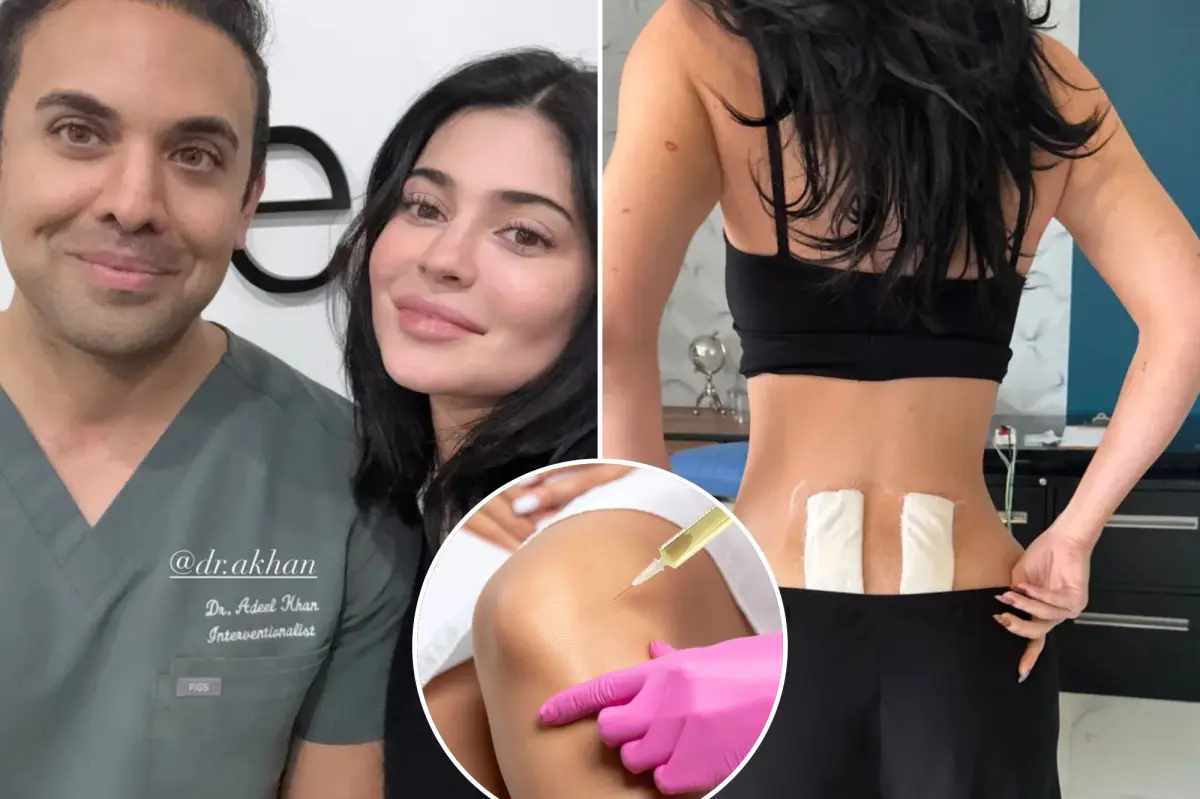
Kylie Jenner has become the latest high-profile figure to embrace stem cell therapy, a trend that has been gaining popularity among celebrities seeking relief from chronic pain and injuries. The 28-year-old mother of two recently revealed on Instagram that she underwent the procedure to address “bad chronic back pain” that has troubled her for three years, ever since giving birth to her son Aire. Jenner shared her frustration with conventional treatments, noting that “nothing I tried seemed to help.” Her decision was influenced by her sister Kim Kardashian’s positive experience with the same therapy. Kim had previously documented her own journey, explaining how stem cell treatment had provided immediate relief for a torn shoulder she sustained while weightlifting in 2023. Like many Americans seeking these treatments, both sisters traveled to Mexico to receive care from Dr. Adeel Khan at his Eterna Health facility, highlighting the limited accessibility of such therapies within the United States. Jenner expressed gratitude for the resources that made her treatment possible and acknowledged that while “everyone’s body is different,” the procedure represented “a huge step in my healing journey.”
The Kardashian-Jenner sisters aren’t alone in their pursuit of stem cell therapies. Their sister Khloé Kardashian has also utilized the treatment for “recovery, inflammation and overall wellness.” The list of celebrity advocates continues to grow, including prominent athletes like Alex Rodriguez, Peyton Manning, and Rafael Nadal, as well as actors such as Mel Gibson and Adam Devine. These individuals form part of a larger movement of patients willing to travel overseas to access treatments that remain largely unavailable or unapproved in the United States. Their public endorsements have raised awareness about stem cell therapy while simultaneously prompting questions about its effectiveness, safety, and the reasons behind its limited availability in America.
To understand the appeal of these treatments, it’s important to grasp what stem cells actually are. Stem cells serve as the body’s fundamental building blocks and are found in various tissues throughout the human body. What makes them remarkable is their dual capability to self-renew by creating identical copies of themselves and to differentiate into specialized cells with specific functions, such as nerve, muscle, or blood cells. This unique characteristic allows them to potentially repair or replace cells damaged by injury, disease, or normal aging processes. Stem cells come from multiple sources, including human embryos and, in smaller quantities, most adult tissues like bone marrow and fat. While adult stem cells have more limited differentiation abilities compared to embryonic stem cells, they still play a crucial role in the body’s natural tissue repair mechanisms, making them valuable tools in regenerative medicine.
Stem cell therapy represents a frontier in medical treatment that harnesses these cellular properties to promote healing. The procedure typically involves collecting stem cells—either from the patient’s own body (autologous) or from a donor (allogeneic)—and processing them in laboratory conditions. The concentrated cells are then injected directly into injured areas where they may help repair damaged tissue, reduce inflammation, and stimulate the body’s immune response to enhance healing. Despite its promising potential, stem cell therapy remains largely experimental in the United States. According to the Mayo Clinic, these treatments represent a form of regenerative medicine that aims to replace damaged cells with healthy ones, potentially offering new solutions for conditions that have limited treatment options. However, the regulatory landscape has restricted widespread clinical application.
The limited availability of stem cell therapy in the United States stems primarily from regulatory considerations. The US Food and Drug Administration has approved only a narrow range of stem cell-based treatments, specifically for blood and immune system disorders including certain blood cancers like leukemia. This cautious approach reflects the FDA’s commitment to ensuring treatments meet rigorous safety and efficacy standards before becoming widely available. While numerous clinical trials are currently exploring the potential of stem cells to treat conditions ranging from Type 1 diabetes and heart failure to neurodegenerative diseases like Alzheimer’s, the path from research to approved clinical application remains long and complex. This regulatory environment has created a gap between patient demand and available treatments, leading many Americans, including celebrities like the Kardashian-Jenner sisters, to seek care outside the country’s borders.
The phenomenon of “stem cell tourism” has emerged as patients travel internationally to access treatments unavailable at home, but this practice comes with significant risks. These overseas clinics often market unproven procedures to vulnerable individuals at substantial costs, promising relief for a wide spectrum of health problems without adequate scientific evidence. The New York Stem Cell Foundation warns that such unproven treatments can result in serious complications, potentially worsening existing conditions or creating entirely new health problems. Documented cases include a stroke patient who developed a tumor after an unapproved procedure and several patients with age-related macular degeneration who completely lost their vision following similar interventions. The problem extends beyond international borders, as many domestic clinics also offer unapproved stem cell treatments despite FDA warnings and regulatory actions. Medical experts like Dr. Jeffrey Karp from Harvard Medical School caution patients to be “very wary” of such clinics, noting that they frequently make exaggerated claims while bypassing essential safety protocols, creating a “serious possibility of injury.” As celebrities continue to share their positive experiences with stem cell therapy, the medical community emphasizes the importance of distinguishing between scientifically validated treatments and those that may put patients at unnecessary risk.