


The Valentino AI Controversy: When Luxury and Technology Collide
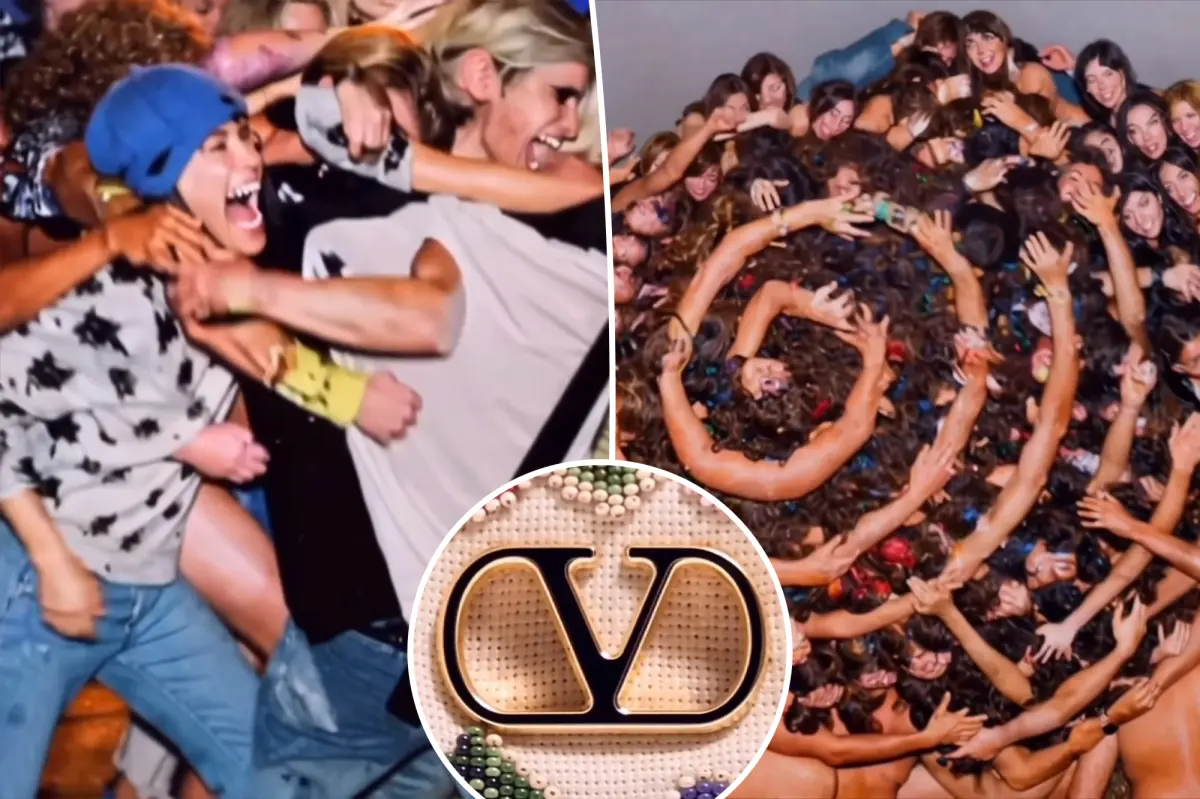
Luxury fashion house Valentino recently found itself at the center of a heated debate after releasing an advertisement featuring artificial intelligence to promote their new DeVain handbag. The Italian couture company collaborated with various artists, including a multi-disciplinary artist known as “Total Emotional Awareness,” to create visually striking content. One particularly surreal video showed models seemingly emerging from the designer handbag, while another segment featured the iconic Valentino logo transforming into human arms. What was intended as an innovative, boundary-pushing campaign instead sparked significant backlash from fashion enthusiasts and loyal customers, who criticized the approach as misaligned with the brand’s luxury positioning.
The response on social media was swift and brutal, with fashionistas expressing their disappointment in no uncertain terms. “Call me a hater, but this feels cheap and not on brand,” commented one critic, while another directly addressed the perceived mismatch: “AI does not match luxury and craftsmanship.” The sentiment was echoed throughout comments sections with phrases like “cheap, tacky AI mess” appearing frequently. Perhaps most cutting was the observation that “Advertising campaigns are an opportunity to put talented creatives center stage. AI in this instance is lazy at best.” These reactions reveal not just disapproval of the aesthetic result but a deeper concern about what AI represents in the context of luxury goods—a world built on the promise of human touch, exclusivity, and artisanal expertise.
Experts have offered insights into why the campaign missed its mark so dramatically. Dr. Rebecca Swift, senior vice president of creative at Getty Images, told the BBC that the negative response suggests people still view AI-generated content as “less valuable” than human-created work. “While people are excited by AI-generated content for personal use, they hold brands to a higher standard, especially expensive brands,” she explained. This points to an interesting dichotomy in how consumers interact with AI—finding it novel and entertaining in personal contexts, yet rejecting it when it appears in premium brand communications, even when the brand is completely transparent about its use of the technology.
Anne-Liese Prem, head of cultural insights and trends at creative digital agency Loop, delved deeper into the psychological underpinnings of this reaction. She explained that the issue isn’t necessarily the use of AI technology itself, but rather “the perception of what the technology replaces.” When artificial intelligence enters the visual identity of a high-end brand like Valentino, consumers worry that the company is prioritizing efficiency over artistry. “Even if the execution is creative, audiences often read it as cost-saving disguised as innovation,” Prem noted. This perception creates a fundamental disconnect with luxury brand values, which typically emphasize painstaking craftsmanship, attention to detail, and human creativity—precisely the elements that consumers fear AI might be replacing.
The controversy highlights a pivotal moment in the relationship between luxury brands and emerging technologies. Valentino’s approach of being transparent about their use of AI was strategically sound in principle, but the execution revealed what Prem called “a deeper cultural tension.” Luxury has always been defined by its human elements—the designer’s vision, the skilled artisan’s hand, the personal relationship between brand and client. When a technology perceived as mechanical and algorithmic enters this deeply human space, it can create cognitive dissonance for consumers who associate luxury with authenticity and personal connection. As Prem succinctly put it: “Without a strong emotional idea behind it, generative AI can make luxury feel less human at a moment when people want human presence more than ever.”
This incident serves as a cautionary tale for luxury brands navigating the integration of new technologies into their marketing and creative processes. While innovation is essential for staying relevant, the Valentino controversy demonstrates that brands must be exceptionally thoughtful about how and where they deploy AI. The negative reaction wasn’t simply aesthetic criticism but a deeper statement about values—a reminder that in luxury marketing, the means of creation matter as much as the end result. As technology continues to evolve, luxury brands face the complex challenge of embracing innovation while maintaining the human touch that has defined them for generations. Valentino’s experience suggests that when it comes to luxury, consumers aren’t just buying products but investing in human creativity, craftsmanship, and connection—elements that, for now at least, they don’t believe AI can authentically replicate or replace.