

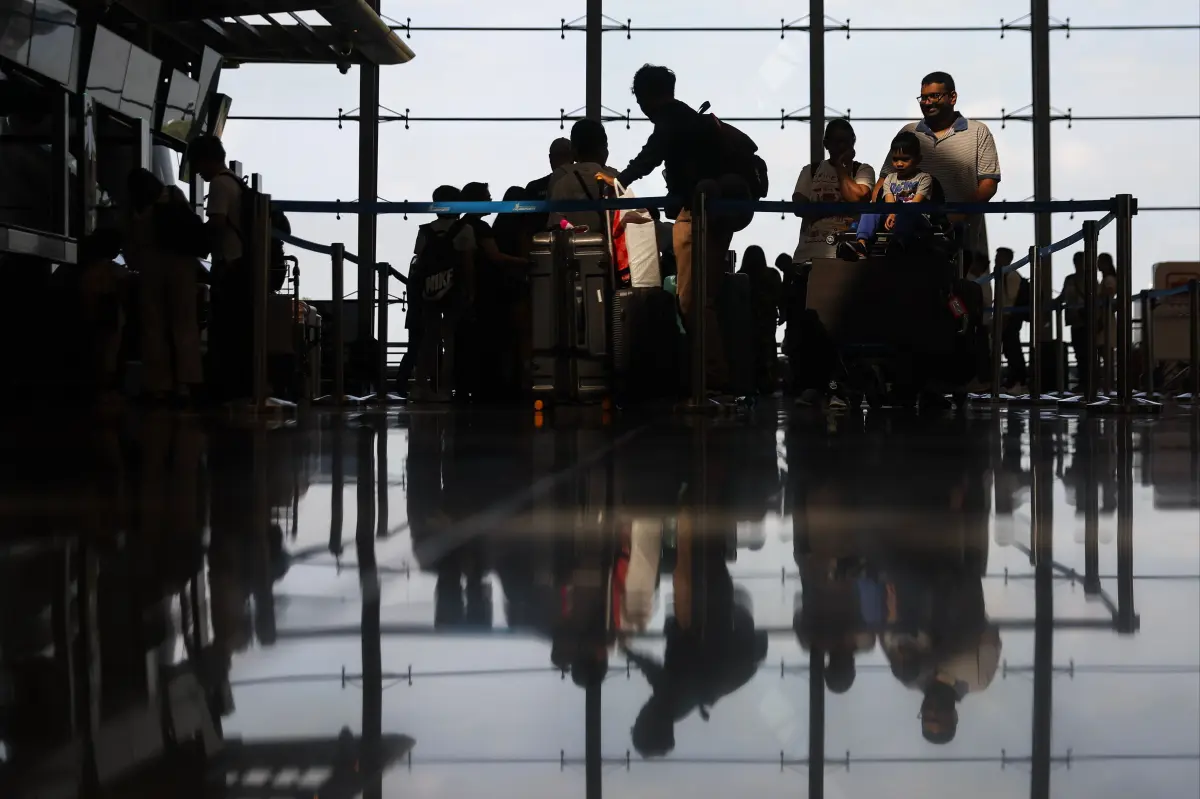
Picture this: You’re packing your bags, dreaming of a getaway—a beach in Bali, a city break in Paris, or just a quick hop to visit family. But as you check the airline websites, reality bites. Flight prices have skyrocketed, fees are creeping up on everything from bags to seats, and options have dwindled. It’s a new normal for travelers everywhere, one shaped by geopolitical turmoil and economic ripples that are hitting the wallet and the heart. Gone are the days of easy, affordable escapes; now, every trip feels like a gamble, with families weighing whether the joy outweighs the cost. Travelers like Anna Del Vecchio, a 36-year-old from Seattle, find themselves in this painful tug-of-war. Her annual tradition of visiting relatives in Philadelphia and then flying to Paris for old friends has turned into a heart-wrenching decision—ticket prices nearing $1,400, double what she paid before, leaving her to delay her journey. “It wasn’t even scratching the surface,” she admits, her voice tinged with disappointment. “I might have to travel less, and that breaks my connection to the world.” For many, this isn’t just about money; it’s about the emotional toll of missed connections, delayed dreams, and the isolation that follows when life’s adventures become unaffordable luxuries. The spark of wanderlust flickers dimly under the weight of uncertainty, as rising fees pinch budgets and fewer flights force us to question: Is this trip worth it?
At the heart of this traveler’s dilemma is a volatile beast—oil and jet fuel prices—tied directly to the unrest in the Middle East. When fighting escalated near the Strait of Hormuz, a critical chokepoint for global oil flows, supplies tightened like a vice, driving prices to dizzying highs. Oil briefly topped $119 a barrel, only to plummet below $95 after fleeting ceasefires, creating wild swings that leave everyone guessing. Shye Gilad, a seasoned airline captain turned professor at Georgetown University’s business school, puts it plainly: “Volatility is the real story here. Airlines are betting on the future, but with prices jumping like this, it’s a high-stakes game.” This isn’t abstract; it’s personal for pilots who once flew captain’s seats, now watching their industry buckle under forces beyond control. Imagine the pilots’ stress, charting courses through geopolitical storms, or the families who rely on them—spouses worrying about job stability as carriers slash routes. For travelers, the uncertainty breeds anxiety, turning planning into a stressful chore. And just when you think relief is near, Iran closes the strait’s shutters again in response to strikes, reigniting fears. It’s like a rollercoaster ride for the global economy, where each twist affects real lives: commuters racing to catch flights before routes vanish, tourists staring at maps, wondering if their dream destinations are still reachable.
Airlines aren’t sitting idle; they’re adapting in ways that reverberate through the market, but not always smoothly. With fuel costs rocketing—Delta Air Lines projecting an extra $2 billion in quarterly expenses, and United Airlines eyeing $11 billion annually if prices stay high—carriers are trimming schedules, hiking prices, and passing the pain to passengers. Experts warn that these changes will hit unevenly: budget airlines and thrifty travelers first, as their slim margins crumble under weight. But even premium flyers aren’t spared, facing new fees and less convenience. “Leisure travelers and budget-conscious ones will feel it most,” Gilad says, with a hint of empathy for those scraping by. Yet, human stories reveal how these shifts erode the joy of travel. Take Bill Moorehouse, a 50-year-old solutions director from Cupertino, California, who travels for work every few weeks. The unpredictability now shadows his plans, making him cancel trips to avoid disruptions. “It’s more likely things could go wrong,” he sighs, opting instead for local spring cleaning and reconnecting with friends nearby. It’s a poignant reminder of how travel, once a bridge to adventure, now feels like a risk to avoid. Airlines pause expansions, cut less profitable routes, and raise fees on luggage or seat selections, turning perks into pricey add-ons. For families budgeting tightly for vacations, this means prioritizing essentials over extras, turning dream trips into scaled-down realities filled with compromises.
Delving deeper into the numbers, the strain is palpable. Global jet fuel prices surged to $209 per barrel last week, more than double February’s $99 figure when the conflict ignited. No wonder carriers are responding urgently: Cathay Pacific boosted fuel surcharges by 34% across routes, while Air India tacked on up to $280 in fees. In the U.S., Delta, United, Southwest, and JetBlue all elevated checked baggage fees, and United even restructured premium cabins, making extras like refundable tickets optional. It’s as if airlines are playing defense, trying to shield profits amid chaos, but for travelers, it’s a barrage of surprises at the gate. Consider the grandparents planning a reunion flight across the pond or the solo wanderer chasing sunsets in Asia—these surcharges cut deep into savings, forcing tough choices. “It’s hard to call anything temporary at this level,” Delta’s CEO Ed Bastian conceded after announcing hikes, his words echoing the exasperation of an industry caught in crosswinds. United’s Scott Kirby painted a grim picture in a staff memo, noting that soaring fuel costs dwarf their best year’s profits. For everyday people, this translates to emotional whiplash: the excitement of booking gives way to sticker shock, and cherished traditions, like Anna’s Paris visits, hang in the balance. Travelers from the U.S. to Hong Kong or New Delhi bear the brunt, with embedded costs inflating fares, making spontaneity a relic of the past.
As airlines slash schedules to stem the bleeding, the human impact grows. BNP Paribas reports a 5% global flight reduction for April, hardest in the Middle East but trickling into Europe, Asia, and North America. United is trimming 5% of flights, pausing redeye routes and international services on slower days to dodge financial burns. Delta scrapped summer seat additions, leaving 3.5% fewer options. These cuts aren’t just stats; they’re disruptions to lives. Business travelers like Bill face derailed itineraries, potentially costing jobs or opportunities. Families scatter regrets when vacations fizzle due to slimmed routes. Major carriers, with their dynamic pricing and fleet flexibility, weather the storm better than cash-strapped budget lines, which lack buffers. It’s a double edged sword: bigger airlines sell higher, but smaller ones suffer silently, often leading to bankruptcy whispers that terrify staff. For the unemployed pilot families or the retiree dreaming of Europe, these changes feel like walls closing in on freedom. The “pay for what you want” model, spreading from economy to premium, commodifies relaxation, turning flights into à la carte ordeals where extras drain wallets and spirits alike.
Ultimately, this fuel-fueled upheaval forces us to rethink what travel means in an unpredictable world. While brief drops in oil bring momentary hope, the lag in fare adjustments means relief is slow, sometimes taking months or a year. Travelers may not see instant savings, compounding frustration for those like Anna, who might skip a decade-long Paris tradition if costs soar too high. Experts predict uneven ripples, with the vulnerable—budget flyers and leisure seekers—bearing the earliest blows, reshaping how we connect. But there’s a silver lining in resilience: people are adapting, prioritizing local joys as Bill does, rediscovering home-grown pleasures. Airlines are innovating, betting on calmer markets, and in time, stability could return. Yet, the emotional scars linger— the fear of missing out, the ache of postponed reunions, the quiet acceptance that wanderlust must bend to bills. As the horizon stabilizes, may we emerge with gratitude for travels past and wisdom for future adventures, hugging loved ones closer until the skies reopen with cheaper grace. In this chapter of global unrest, human stories remind us that behind every price hike is a life affected, a dream deferred, pushing us to cherish what we have while hoping for brighter skies ahead. Travelers worldwide navigate this turmoil not just with wallets, but with hearts full of hope and patience, waiting for the world to settle and the journeys to resume their rightful excitement.