


As I sat down to digest this fascinating survey from Talker Research, commissioned by National Geographic-Lindblad Expeditions, I couldn’t help but smile at how it mirrors my own experiences. You know, that nagging itch that grows stronger with each passing year—the urge to peel back the layers of the world and uncover something new. According to the study of 2,000 Americans, a solid 57% feel this way, reporting that they’re actually getting more curious as time goes on. It’s not just a fleeting phase; it’s a persistent spark that keeps life vibrant. Imagine waking up one morning and deciding that routine just isn’t cutting it anymore. For many, this curiosity translates into bold choices: 70% of respondents expressed interest in being adventurous, while an even higher 76% crave trying out novel things. It’s like the human spirit refusing to settle for the mundane. I recall a friend who, in her fifties, ditched her desk job for a cross-country road trip, just to taste new cuisines and chat with strangers from different walks of life. That kind of energy isn’t rare; it’s bubbling under the surface for more than half of us. Beyond the stats, the survey reveals that curiosity isn’t some abstract virtue—it’s a driver for action. People are seeking ways to satisfy this hunger, and one of the top methods? Getting out into the world. Forty percent said that traveling is their go-to fix for curiosity, far outpacing other hobbies or habits. It’s as if the globe is a giant puzzle, and we’re all grabbing pieces to fill in the gaps. When I think about it, travel doesn’t just scratch an itch; it opens doors. It could be hiking through forests where the air smells of pine and possibility, or wandering streets lined with history that’s older than we are. The survey paints a picture of Americans who are actively chasing this thrill, turning everyday restlessness into expeditions that renew the soul. And it’s not limited to the young— this trend spans ages, suggesting that curiosity is a lifelong companion, not a youthful indulgence. In my own life, I’ve seen how a single trip can change everything, reminding me why I once dreamed of exploring far-flung places. This data isn’t just numbers; it’s a reflection of our collective yearning to break free from the familiar, to let curiosity lead us toward adventures that feel as essential as breathing. It’s empowering to know that so many share this path, finding joy in the unknown and excitement in the exploration.
Delving deeper into what these curious souls hope to gain from their adventures, the survey sheds light on how travel has evolved from a simple escape to a profound quest. Thirty percent of respondents are most drawn to learning about history—picture yourself standing at the foot of an ancient ruin, absorbing stories of empires long gone, or tracing the roots of a culture through its art and artifacts. Meanwhile, 26% chase those once-in-a-lifetime experiences or extended, immersive journeys that leave you transformed. I remember my own eye-opening trek through the Galápagos Islands, where every interaction with wildlife felt like a deep dive into the mysteries of evolution, far beyond a tourist photo op. The research makes it clear: travel isn’t just about kicking back on a beach; it’s about discovery and growth. Nearly two-thirds, or 62%, said that trips focused on learning and exploration hold equal—or even greater—appeal than those centered on relaxation and comfort. This shift is telling; in a world of endless distractions, people are opting for journeys that enrich the mind and spirit. Take Natalya Leahy, CEO of National Geographic-Lindblad Expeditions—she nails it when she says, “Travel has the power to transform how we see the world.” Her company designs itineraries that blend stunning destinations like Antarctica with guides who teach the deeper narratives, from scientists unraveling ecological secrets to photographers capturing the unseen. It’s about more than sightseeing; it’s crafting experiences where every step builds a bridge to understanding. For me, this resonates in how travel has taught me empathy, showing how diverse histories and cultures intertwine in ways I never imagined. The survey underscores that people are increasingly valuing these transformative aspects, choosing paths that offer intellectual bounty over passive indulgence. Whether it’s decoding the past or venturing into the wild unknown, travel today feels like a deliberate choice to grow, to connect dots that everyday life overlooks. It’s a reminder that our journeys aren’t random—they’re selected to awaken something within us, making the world feel a little less vast and a lot more meaningful.
When we zoom out to look at motivations across the board, it’s clear that this zest for exploration cuts across generations in a unifying way. A whopping 78% of Americans from all age groups express a desire to learn more about the world, while 76% are eager to dive into new experiences. Think of it like a family reunion where everyone— from a wide-eyed teen to a seasoned retiree—agrees that trying something fresh is the key to staying alive inside. The survey, conducted online by Talker Research between February 20 and 26, 2026, polled 2,000 internet-accessible respondents, ensuring a broad snapshot of our nation’s pulse. It’s reassuring to see that curiosity isn’t generational warfare; it’s a shared currency. People are motivated to break routines, whether that’s sampling exotic foods in a distant market or challenging themselves with activities like kayaking through icy waters. In my conversations with travelers, I’ve heard stories of millennials rediscovering wonder through solo hikes and baby boomers embracing tech to virtual tours before real ones, all pointing to the same core drive. This pan-generational appeal isn’t accidental—it’s tied to how we humans are wired for novelty. The survey highlights that even as life gets busier, with jobs and responsibilities piling on, the pull toward exploration remains strong. Respondents aren’t just ticking boxes; they’re envisioning lives enriched by global insights and personal challenges. Leahy’s words echo this sentiment: “Our research shows more people want once-in-a-lifetime trips where they can learn and discover something new—and that’s exactly what we offer, with scientists, naturalists, and photographers on board.” It’s as if the world has turned into a living classroom, and we’re all eager students, proving that no matter our age, the thrill of the unknown is a universal language that keeps us moving forward.
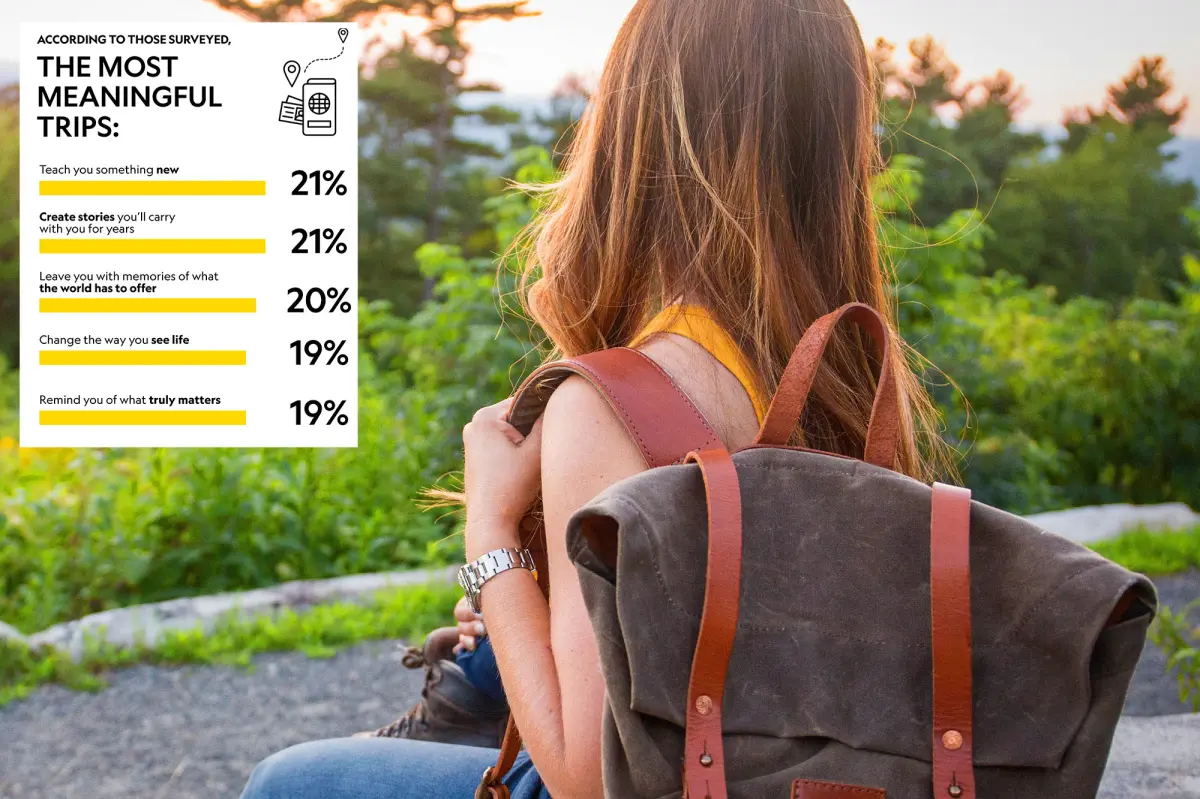
Now, let’s talk about what truly makes these travel experiences stick—what turns a trip into something unforgettable. The survey reveals that meaningful travel goes beyond the itinerary, hitting emotional chords that linger long after the bags are unpacked. For 21% of respondents, it’s the chance to learn something new that lights the fire, while another 21% cherish collecting stories that become lifetime treasures. I can vouch for this; after volunteering in a remote village in Latin America, the tales I gathered—about resilience, community, and the simple joys of life—reshaped my worldview in ways no guidebook could. Others cited lasting memories of the world’s beauty (20%), changes in how they see life (19%), or gentle reminders of what truly matters (19%). It’s poignant how travel strips away the noise, exposing the essence. Over 70% agreed that modern travel is less about escaping reality and more about what we carry back—new insights, perspectives, and gratitude. Imagine returning home with a fresher appreciation for your daily blessings, sparked by witnessing the aurora borealis or diving into coral reefs teeming with life. The survey captures this sense of purpose, with people describing exploration as intentional journeys that expand horizons, both physical and mental. It’s not haphazard; it’s a deliberate step toward authenticity, often involving destinations that challenge comfort zones. I recall a trip to the deserts of Morocco, where the heat and solitude forced me to confront my limits, emerging wiser and more compassionate. These findings paint a human portrait of travelers seeking depth over superficial fun, finding in exploration a way to reconnect with themselves and the planet. It’s a call to prioritize journeys that nourish the soul, proving that the real value of travel lies in the transformations it fosters.
Emotionally, the survey taps into the raw feelings that exploration stirs, painting a vibrant picture of our inner responses. Curiosity and excitement top the list, each claiming 40% of associations with the idea of exploration—think that giddy rush before boarding a plane or venturing off a trail. Wonder and personal growth follow closely at 30% each, evoking the awe of standing before a massive waterfall or the subtle shifts in self-awareness from cultural immersion. I remember the first time I saw the pyramids at sunset; the sense of wonder was overwhelming, like touching history’s heartbeat. Beyond these, many respondents framed exploration as purposeful—a journey with intention, where untouched or less-developed places offer havens for genuine discovery. It’s about stretching beyond the ordinary, embodying adventures that blend physical feats with mental expansions. Eighty-five percent expressed a preference for destinations that pose challenges, even if they’re not oceans away; think Alaska’s rugged wilderness (cited by 29%) or California’s diverse landscapes (26%), proving that homebound thrills can be just as potent. Travelers are hunting for rewards deeper than relaxation, such as happiness (49%), a greater appreciation for life (39%), personal growth (37%), and fresh perspectives (34%). Leahy captures this beautifully: “The real luxury is exploring extraordinary places while gaining a deeper connection to the people, cultures, and environments that make them so remarkable. It’s not just about where you go—it’s how it changes the way you see the world.” In essence, exploration isn’t a hobby; it’s a catalyst for joy and change, humanizing the data by showing how these trips cultivate happiness and fulfillment. For those of us pondering our next adventure, it’s a nudge to choose experiences that challenge and uplift, turning travel into a bridge to a more enriched existence. This emotional layer reminds us that exploration is personal, subjective, and profoundly life-affirming— a testament to our shared quest for meaning in an ever-expanding world.
Reflecting on the broader implications, it’s evident that this survey marks a cultural shift toward more intentional, growth-oriented travel, blending curiosity with purpose in ways that resonate deeply. As Leahy notes, today’s traveler isn’t content with surface-level vacations; they crave discovery that lingers, offering connections to global narratives and self-transcendence. The methodology itself— an online survey of 2,000 Americans via Talker Research—lends credibility, capturing voices from diverse backgrounds who, despite the digital age, prioritize real-world immersion. It’s a hopeful sign in a time of uncertainty, suggesting that as we age, our appetite for adventure doesn’t wane; it evolves. I see parallels in everyday lives, where people mix global escapes with local challenges, fostering resilience and joy. Imagine a retiree swapping lounge chairs for wildlife safaris or a young professional embedding in cultural exchanges—these aren’t luxuries; they’re necessities for mental health and societal progress. The survey’s emphasis on learning history, forging stories, and gaining perspectives underscores travel’s role in combating isolation, promoting understanding across divides. In my own travels, I’ve witnessed how an encounter with indigenous traditions or a deep dive into environmental science sparks empathy, bridging gaps in our divided world. This isn’t mere escapism; it’s active participation in a larger human story. As we wrap up, it’s clear that by valuing exploration over easy comforts, Americans are investing in their future selves, embracing journeys that yield happiness, growth, and wonder. For anyone considering their next trip, this data serves as inspiration: travel isn’t just movement; it’s metamorphosis, a way to humanize the unknown and carry its lessons home, enriching our collective tapestry in ways that statistics alone can’t capture.
To round this out, let’s touch on how these insights might shape our travel choices moving forward, keeping the human element alive. With 70% of respondents viewing travel as a takeaway experience, and generations uniting over exploratory desires, we’re seeing a trend toward sustainable, meaningful ventures that honor curiosity’s call. Whether opting for expedition-style cruises with expert guides or self-directed treks to challenging locales like Alaska or California, the goal is personal evolution—learning history, collecting enduring tales, and savoring beauty that reshapes outlooks. Think of families planning immersive trips that involve kids in discoveries, fostering lifelong curiosity, or solo explorers seeking the solitude of untouched landscapes to reflect and grow. Leahy’s expeditions exemplify this, integrating scientific depth with cultural reverence, ensuring trips aren’t passive but transformative. In a world buzzing with quick fixes, this survey champions slow, intentional exploration, where emotions like wonder drive us to purposeful engagements. For me, it’s a reminder to blend grand adventures with mindful proximity travels, perhaps a hike near home that sparks the same excitement as a global odyssey. Ultimately, as Americans increasingly prioritize growth and appreciation, travel becomes a tool for living fully— a joyful pursuit that connects us, challenges us, and changes us, one curious step at a time. This humanized view of the data encourages us all to listen to that inner voice urging exploration, turning potential into reality and enriching lives in the process, proving that the journey indeed matters as much as the destination.