



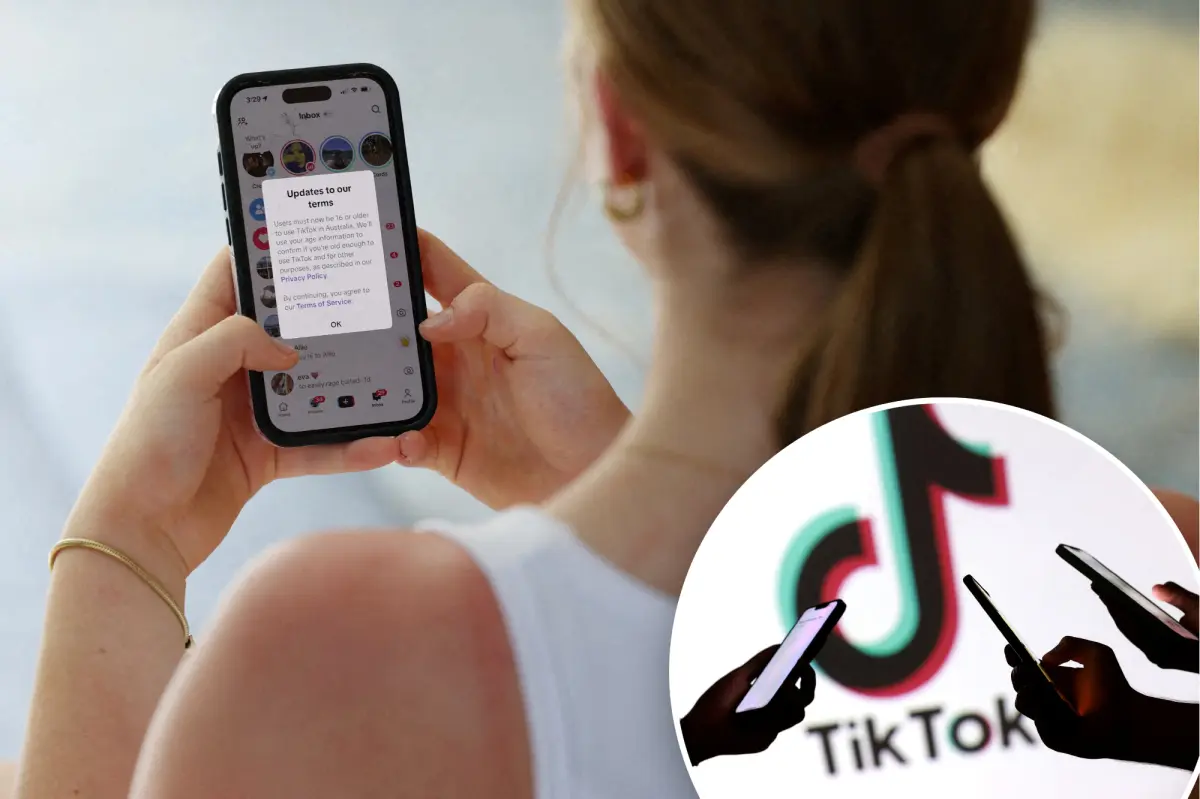
TikTok Leads with AI Age Detection to Protect Young Users
In a significant move to address growing concerns about youth safety online, TikTok is implementing sophisticated AI-powered age detection technology across Europe. This new system aims to identify and remove accounts belonging to children under 13 years old, representing one of the most advanced efforts by a major social media platform to enforce age restrictions. The technology works by analyzing multiple data points including profile information, posted content, and user behavior patterns to flag potentially underage accounts for review by specialized moderators who make the final determination about account removal.
TikTok’s approach reflects their stated commitment to creating age-appropriate environments for different user groups. “At TikTok, we’re committed to keeping children under the age of 13 off our platform, providing teens with age-appropriate experiences and continuing to assess and implement a range of solutions,” the company explained in a recent blog post. They emphasize that effective age verification requires a multi-layered strategy rather than relying on a single method. This new system was developed in collaboration with Ireland’s Data Protection Commission to ensure compliance with Europe’s stringent privacy laws and follows a year-long pilot program that resulted in thousands of underage accounts being removed from the platform.
Despite these technological advances, TikTok acknowledges the inherent challenges in age verification across digital platforms. “Despite best efforts, there remains no globally agreed-upon method for effectively confirming a person’s age in a way that also preserves their privacy,” the company stated, recognizing that no system is foolproof. To address potential errors, TikTok has implemented an appeals process for users who believe they’ve been wrongfully removed. These users can verify their age through several methods: providing government-approved identification, completing a credit card authorization, or submitting a selfie for age estimation analysis. This balanced approach attempts to maintain platform integrity while respecting user rights.
The timing of this rollout coincides with increasing global regulatory pressure on social media companies regarding child safety. Australia made headlines last year by implementing the world’s first comprehensive ban on social media for children under 16, a move that prompted significant response from tech giants like Meta. Following Australia’s legislation, Meta reported removing over 544,000 suspected underage accounts across Instagram, Facebook, and Threads in just one week as the country’s age restriction took effect. Tech companies have pushed back against such blanket bans, with Meta representatives arguing for “a better way forward, such as incentivising all of industry to raise the standard in providing safe, privacy-preserving, age-appropriate experiences online, instead of blanket bans.”
These regulatory developments reflect growing scientific evidence linking adolescent social media use with mental health concerns. Research has indicated that early social media exposure can increase risks of depression and anxiety by exposing young users to potentially harmful content related to suicide, eating disorders, and other concerning topics. This evidence has fueled political momentum for stronger protections, though approaches vary significantly across countries. Critics of blanket bans, including many tech companies, warn about potential “whack-a-mole” effects where younger users simply migrate to less regulated or monitored platforms, potentially creating even greater safety risks.
In the United States, TikTok faces unique challenges related to both youth protection and national security concerns. In 2024, then-President Biden established a framework for potentially banning the platform through the Protecting Americans from Foreign Adversary Controlled Applications Act, citing concerns about data security and foreign influence. However, President Trump has since issued multiple executive orders postponing implementation of these measures, most recently extending the deadline to January 2026 amid ongoing trade negotiations with China. This complex political landscape reflects the multifaceted challenges facing social media regulation today, balancing concerns about youth safety, privacy protection, national security, and international relations, all while these platforms continue to evolve and shape how young people communicate and express themselves worldwide.