



The Humble Cabbage: 2026’s Rising Culinary Star
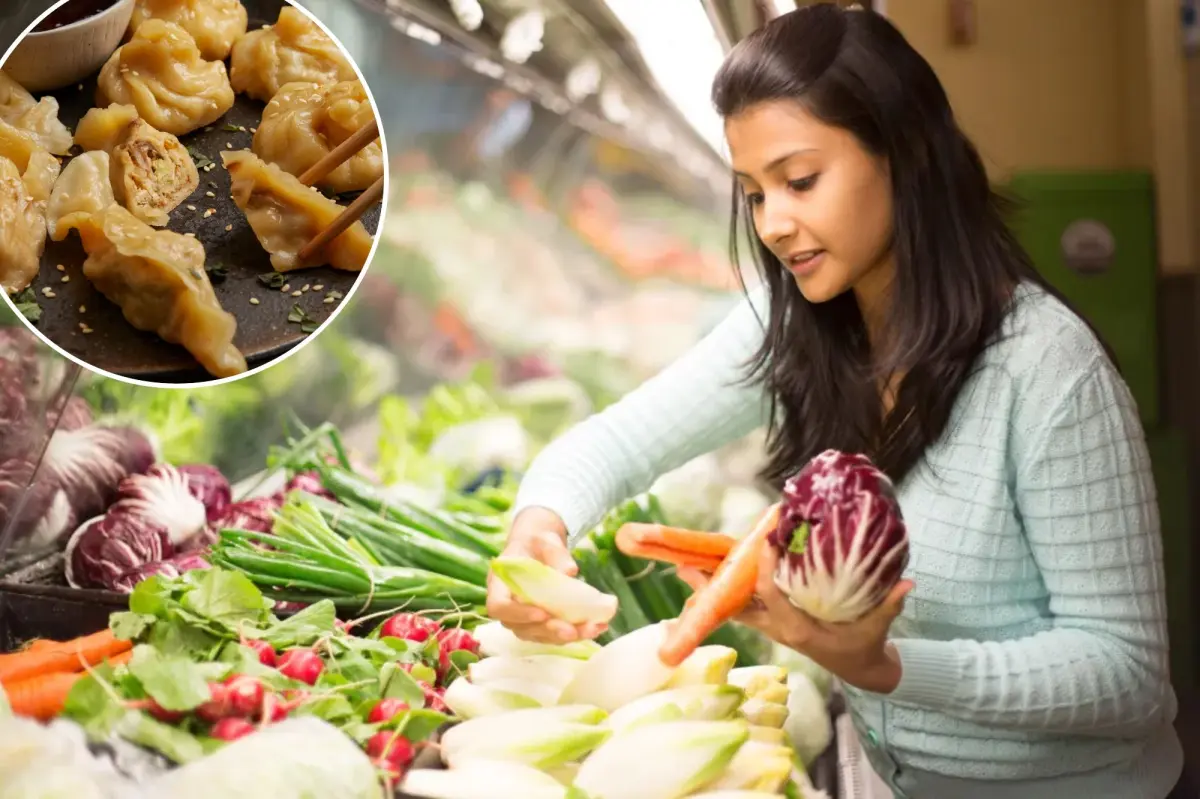
Move over, cauliflower—there’s a new vegetable superstar on the horizon. According to Pinterest’s 2026 annual trends report, cabbage is poised to become next year’s breakout health food, with online searches already showing remarkable growth. This unassuming vegetable, long relegated to the sidelines of the produce aisle, is finally getting its moment in the spotlight. What makes this shift particularly appealing is that cabbage isn’t just nutritionally dense—it’s also incredibly affordable, making it accessible to health-conscious consumers across all budget levels. As the report notes, “In the year ahead, Boomers and Gen X will say goodbye to their cauliflower obsession and crown cabbage the new kitchen MVP.” The data supporting this prediction is compelling: searches for cabbage dumplings have surged 110% between September 2024 and August 2025 compared to the previous year, while interest in traditional dishes like golumpki soup (a Polish cabbage and ground beef specialty) has increased by 95%. Other trending searches include cabbage Alfredo, fermented cabbage preparations, and sautéed bok choy—a popular Chinese cabbage variety—indicating Americans are developing what experts are calling a genuine “cabbage crush.”
This newfound appreciation is well-deserved, according to nutrition professionals. Julia Zumpano, a registered dietitian at the Cleveland Clinic, explains the vegetable’s appeal: “It’s one of those foods that tastes better than it looks, and it has even more nutritional value than people expect. Plus, it’s versatile, affordable and easy to find.” This cruciferous vegetable comes in diverse colors, shapes, and sizes, making it a remarkably adaptable ingredient. Cabbage has long been a culinary cornerstone in kitchens worldwide, featuring prominently in hearty stews, fermented preparations like kimchi and sauerkraut, refreshing salads, sandwiches, and quick stir-fries. Its culinary versatility allows it to absorb flavors while adding texture and substance to countless dishes across different cultural traditions. From Eastern European comfort foods to Asian delicacies, cabbage has proven its adaptability across centuries of global cuisine, and American home cooks are now rediscovering these possibilities with fresh enthusiasm and creativity.
The practical benefits of cabbage extend beyond its culinary applications. This vegetable offers remarkable value for money, remaining fresh in refrigeration far longer than many other produce options. Nutritionally, it delivers an impressive array of benefits while being exceptionally low in calories. Just one cup of raw green cabbage provides 54% of your daily vitamin C requirement—essential for collagen production, wound healing, immune function, and iron absorption—along with 85% of your daily vitamin K needs, which supports proper blood clotting and bone strength. Cabbage is also rich in potassium, a mineral that helps regulate blood pressure, and contains plant sterols that can reduce “bad” LDL cholesterol levels, potentially lowering heart disease risk. These nutritional attributes make cabbage an exceptional addition to any diet, particularly for those focused on preventative health measures or managing specific conditions like high blood pressure or elevated cholesterol.
The antioxidant profile of cabbage is particularly noteworthy, as explained by registered dietician Tracy Colin to EatingWell: “Cabbage is packed with antioxidants that help fight inflammation, a big contributor to metabolic disease.” These compounds include flavonoids, anthocyanins, and glucosinolates—powerful plant chemicals that combat free radicals and prevent cellular damage at the molecular level. Research supports these benefits, with one small study finding that participants who consumed the highest amounts of cruciferous vegetables, including cabbage, demonstrated significantly lower inflammation markers compared to those who ate the least. This anti-inflammatory effect is particularly significant given that chronic inflammation underlies numerous serious health conditions, including heart disease, rheumatoid arthritis, Alzheimer’s disease, depression, and certain cancers. Beyond inflammation reduction, cabbage’s combination of plant sterols and dietary fiber promotes digestive health by nourishing beneficial gut bacteria, which in turn supports immune function and assists in producing essential nutrients through fermentation processes in the intestines.
Cabbage’s potential role in weight management adds another dimension to its appeal. “Cabbage can help you stay regular,” notes Zumpano. “It can also help support safe and healthy weight loss.” With just 22 calories per cup in its raw form, cabbage allows for satisfying portion sizes without significant caloric intake, making it an ideal component in weight-conscious meal planning. Its high fiber content promotes satiety, potentially reducing overall food consumption, while its water content helps maintain hydration. The vegetable’s versatility in preparation methods—from raw in salads to steamed, sautéed, or fermented—means it can be incorporated into numerous meal types to increase nutritional density without adding excessive calories. This combination of low caloric value, high nutrient content, and filling fiber makes cabbage particularly valuable for sustainable weight management strategies that focus on nourishment rather than restriction.
For those eager to embrace this trending vegetable, nutritionists recommend a measured approach. Despite its numerous benefits, cruciferous vegetables like cabbage can cause digestive discomfort including gas, bloating, and diarrhea in some individuals, particularly when consumed in large quantities. Health experts suggest gradually increasing intake to allow your digestive system to adjust accordingly. Additionally, cabbage contains compounds that may interact with certain medications, including blood thinners, due to its high vitamin K content. Consulting with healthcare providers before significantly increasing cabbage consumption is advisable, especially for individuals on prescription medications. These precautions aside, cabbage offers remarkable nutritional value and culinary versatility at an accessible price point, making it an ideal candidate for the next vegetable to capture America’s culinary imagination. As we move toward 2026, this humble cruciferous vegetable appears ready to take center stage in our quest for affordable, nutritious, and delicious plant-based eating options, proving that sometimes the most extraordinary superfoods have been hiding in plain sight all along.