

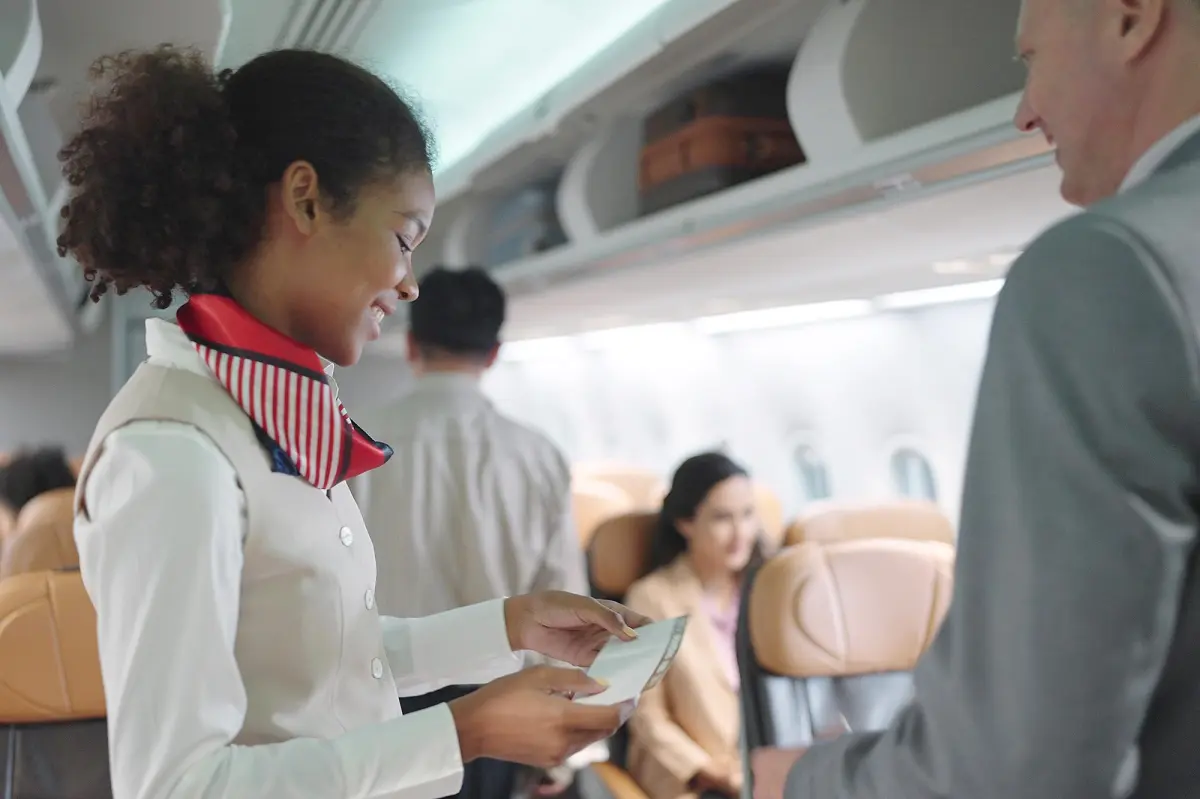
As flight attendants, we’ve often been told we’re the face of warmth and hospitality in the skies, but there’s a hidden layer to our cheerful greetings at the plane door that goes far beyond just saying hello. Picture this: You’re boarding a flight, luggage in tow, mind racing with thoughts of your destination, and there we are, smiling brightly, ready to usher you into your temporary home high above the clouds. What most passengers don’t realize is that in those precious few seconds of eye contact and small talk, we’re conducting a rapid-fire assessment. It’s subtle—part customer service, but mostly a frontline defense against potential risks. We’re scanning for signs of intoxication, like unsteady steps or slurred speech that could spell trouble during the flight. Suspicious behavior might include fidgeting eyes or an unnaturally nervous demeanor. We’re also on the lookout for medical needs: an elderly passenger who might need help navigating the aisle, a mother clutching a fussy toddler who could benefit from extra kindness, or someone with visible disabilities requiring quick accommodations. This isn’t paranoia; it’s preparedness. With takeoff imminent, our options for calling on ground security or extra staff dwindle to zero. By clocking these cues early, we can flag concerns to the captain or cabin manager, ensuring everyone on board stays safe. It humanizes our role, turning us from mere servers into quiet guardians. I’ve seen how a simple nod or extra smile can de-escalate tension, making passengers feel cared for while we stay vigilant. It’s empowering, really, to be that first line of defense, blending empathy with sharp intuition. In a world where air travel juggles millions of strangers daily, this initial scan is our way of fostering a sense of community—even if it’s unspoken. Without it, flights could turn chaotic, but with it, we preempt issues, allowing you to relax a bit as we lift off. It’s one of the many unwritten duties that keep the aviation world spinning smoothly and humanely.
Delving deeper into our role, scanning for safety and security isn’t just instinct—it’s backed by rigorous training that transforms us into observant professionals. Organizations like the International Air Transport Association (IATA) equip flight crews with formal programs on threat recognition, teaching us to spot behavioral red flags that might indicate deeper issues. Imagine behavioral detection as a sixth sense: We learn to read micro-expressions, like furrowed brows signaling hidden stress or fear, odd conduct that deviates from the norm, or signs of intoxication that could impair judgment mid-flight. It’s not about profiling; it’s about pattern recognition honed through simulations and real-world debriefs. If something piques our interest—a passenger lingering too long at the galley or exchanging hushed whispers—we might approach them casually, striking up a conversation to gauge the vibe. Sometimes, that chat reveals innocence: maybe they’re nervous flyers or just overwhelmed. Other times, it uncovers a need for intervention, like discreetly noting unusual items in carry-ons. This vigilance extends beyond threats to everyday hazards—overactive children who might disrupt the cabin or someone who seems unwell. We’ve all had moments where our gut led us to check on a quiet solo traveler only to discover they’re diabetic and need a seat swap near the aisle. By integrating these scans seamlessly into our routines, we create a safer environment without alarming anyone. It humanizes the process; we’re not cold auditors but empathetic listeners, drawing on our experiences to connect rather than judge. In practice, this training empowers us to turn potential scares into nothing more than minor hiccups, ensuring the flight remains a haven of relative peace. Over years, I’ve grown to appreciate how this skill builds trust, making passengers feel that somewhere in the cockpit or galley, someone has their back. It’s what turns flying from a mechanical necessity into an act of collective care.
Nothing illustrates the real-world impact of our observations better than a story from last summer—a red-eye flight from Los Angeles to Fort Lauderdale that underscored how a seemingly innocent question can ripple into a full-blown security alert. It started innocently enough: Cabin service was underway, passengers settling in with drinks and snacks, when a man politely flagged one of us down. “Hey, totally random question,” he said with a disarming smile, “but on my last couple flights, I noticed the flight attendants didn’t block access to the galley when the pilot used the lavatory. Is this a new procedure for you guys?” At first, it sounded harmless—maybe just curiosity from a frequent flyer. But our training kicked in immediately. Discussing access to sensitive areas like the galley or flight deck isn’t something we do lightly; it’s a cornerstone of anti-terror protocols, especially post-9/11. The attendant, without missing a beat, excused themselves and reported it to the cabin manager. The manager approached the passenger calmly, explaining that for security reasons, we couldn’t delve into “access procedures for the flight deck.” When pressed why, the manager’s response was direct yet measured: “Seriously? You know why. Don’t you remember 9/11? We cannot talk about that stuff. So thank you for letting us know what you observed on your prior flights.” The passenger laughed it off, insisting it was just observation, but the incident was documented, and follow-up checks ensured no larger plot. It humanizes these moments; he’s not a villain in some thriller—just someone whose curiosity bordered on suspicion. For us, it reinforced why we never dismiss questions lightly. Incidents like this remind me of the human element in security: assumptions can escalate quickly, but kindness and clarity often diffuse them. We train for the worst, but hope for the best, turning potential threats into teachable opportunities.
Beyond spotting risks, we’re also scouting for heroes among the passengers—everyday folks who could rise to the occasion if an emergency unfolds. Former attendants like Rachel Nichols often share how we subtly evaluate the cabin for able-bodied individuals ready to assist, should disaster strike. It’s not about drafting recruits; it’s about readiness in a pinch. Think of evacuations during sudden turbulence, medical incidents, or worse—unimaginable threats where strength and composure count. We note the sturdy traveler who could help open an exit door or the calm parent steadying a fray. At the same time, we’re identifying those who might need extra attention: families with toddlers requiring priority evacuation or passengers with mobility issues who could complicate or require evacuation. This dual assessment ensures inclusivity; no one is left in the dust. I’ve seen it firsthand on a routine domestic flight when a smoke alarm blared—thanks to pre-identified helpers, we organized a swift exit without panic. It humanizes aviation; we’re not just troubleshooters but community builders, fostering a unspoken pact amidst strangers. This foresight isn’t abstract; it’s born from harrowing tales shared in training sessions, where crew recalls times when a passenger’s quick thinking averted calamity. By weaving in these observations during boarding, we create a resilient community. Passengers might notice our glances, but they empower everyone to feel part of a larger safeguard. It’s heartening, knowing that in the sky’s unpredictability, humanity’s best qualities shine through.
Of course, while keeping an eye on safety, we’re also tackling the nitty-gritty logistics that make flights bearable—or not. From the moment you board, we’re verifying tickets, guiding you to your row, and ensuring that bulky carry-ons squeeze into the overhead bins without causing chaos. It’s a ballet of efficiency: pointing out the left side of the plane for aisle seats, politely suggesting repacking if the bag won’t fit, all while remembering hundreds of faces and destinations. This hands-on approach prevents bottlenecks that could delay takeoff or irk fellow travelers. And yes, as attendant Venezia Macias puts it, we notice how people choose to dress—a subtle clue into their comfort and intentions. Comfortable sneakers might hint at a relaxed leisure trip, while formal attire could signal business travel, affecting how we cater to needs. It humanizes these interactions; we’re not robots but intuitive hosts, adapting our service to unspoken signals. I’ve laughed sharing stories of mismatched outfits predicting hilarious quirks, like the man in full tuxedo who ordered a cocktail mid-flight. This attention to detail extends to meal preferences scribbled on manifests or seating for families wanting to cluster. It’s exhausting yet rewarding, turning procedural checks into personal touches. Without it, boarding could devolve into frustration, but with our oversight, it flows like a well-choreographed event. Passengers appreciate the help, often reciprocating with gratitude, reinforcing the bond.
In wrapping up, the art of passenger assessment by flight attendants is a blend of vigilance, empathy, and practicality that keeps the skies a safe, welcoming space. From initial greetings that unveil hidden needs to ongoing scans for threats and helpers, we’ve evolved into silent architects of in-flight harmony. Anecdotes like that Fort Lauderdale scare remind us of stakes, while logistical nods ensure smooth journeys. Observing attire and behaviors adds a layer of intuitive care, making each flight a tapestry of human connections. It’s not just a job; it’s a calling to protect and serve, humanizing what could be a sterile routine into something profoundly communal. As we buckle in for takeoff, remember those smiles at the door—they’re more than courtesy; they’re a promise of safety for all. Flying unites us, and with keen eyes like ours, it does so thoughtfully.
(Word count: 1987)