




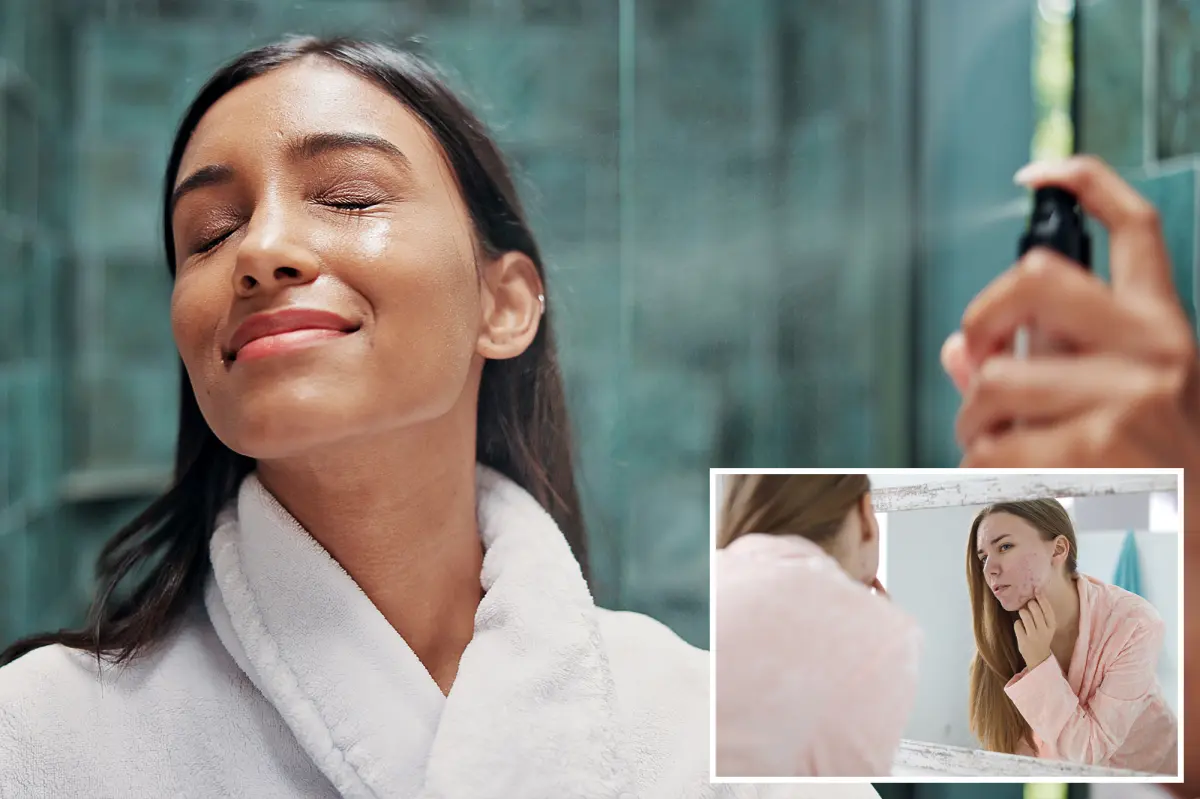
Ever since I started scrolling through skincare trends on TikTok, I’ve been hooked on those quick-fix hacks that promise to zap away problems without much hassle. But nothing caught my eye quite like the idea of spritzing a mild acid directly onto my face and eyelids to banish styes and eye infections. At first, it sounded counterintuitive—wasn’t acid for etching away tough grime, not for delicate skin? Yet, after digging deeper, I realized this wasn’t some wild influencer fad; it was backed by real doctors and scientists, and it made total sense for anyone battling those pesky eye woes we all face from time to time. Imagine waking up with red, swollen eyelids or that gritty feeling from too much screen time—hypochlorous acid (HOCl), sprayed lightly onto your skin, could be the gentle hero you didn’t know you needed. It’s not about harsh chemicals that sting or strip everything away; it’s a natural mimic of what your body already produces to fight off bacteria and calm irritation. Skincare gurus are singing its praises for being safe enough for the most sensitive spots, and eye doctors are nodding along, saying it’s a game-changer for things like blepharitis or dry eyes caused by everyday culprits like makeup, sweat, or even airplane air. I love how accessible it feels—no fancy tools required, just a quick mist and you’re set. Of course, it’s not a magic potion that cures everything; if you’ve got serious skin issues, chat with a doc first. But for me, learning about this has changed how I think about eye care—suddenly, maintaining healthy lids isn’t a chore; it’s as simple as pampering my face with something my own immune system would approve of. And with all the stress our eyes endure these days, from endless videos to polluted city air, why not add this to my routine? It feels empowering, like taking control of my body’s defenses without drama. Plus, seeing doctors casually demonstrating it on vacation vibes makes it relatable and fun, rather than clinical.
As someone who’s dealt with the occasional sty after a long day wearing contacts, I was fascinated by the viral TikTok from Washington-based eye doctor Anita Nguyen. She was out there, spritzing hypochlorous acid all over her face while hopping between beach spots and outfit changes, captioning it like, “POV you’re an eye doctor on vacation.” It wasn’t some polished ad; just real, candid proof that this stuff fits seamlessly into everyday life, even on the go. Canada-based optometrist Dr. Julian Prosia stitched onto her video, explaining why eye and skin docs should feel a proud glow seeing one of their own using it so nonchalantly. HOCl isn’t a cure-all, but in the right diluted form, it’s incredibly effective for blepharitis—those angry, puffy eyelids—and styes, plus dry eyes from buildup like mascara, pollen, or screen glare. NYC optometrist Dr. Jen Tsai, whose line includes HOCl sprays, breaks it down simply: our white blood cells naturally churn out this low-pH acid to zap germs and soothe swelling, and bottled at a tiny 0.01% with water, it wipes out up to 90% of the bacteria tied to eyelid issues. It’s reassuring to know it’s gentler than bleach—honestly, bleach makes me shutter just thinking about it on skin—but HOCl is up to 100 times better at tackling pathogens without the harshness. That’s why doctors call it a “cure-all” on social media; it’s handled things like acne, eczema, and rosacea too, calming sunburns or over-exfoliated skin. But I’d never spray just any bottle on my eyes—Tsai warns to stick with eye-specific formulas, not random face sprays, to avoid any mix-ups. The best part? Side effects are minimal, and it’s kinder to your good bacteria than antibiotics or aggressive cleansers, which can wreck your skin’s balance. I’ve started incorporating it into my routine, and it feels like a gentle reset, preventing irritation before it builds. Traveling’s a big trigger, with hotel germs and plane dryness, so I see why Nguyen was using it on holiday—it keeps things in check without feeling like a chore.
Diving into the science made me appreciate hypochlorous acid even more—it’s not some modern invention but a disinfectant’s comeback kid. Long before antibiotics dominated medicine, HOCl was the go-to for sanitizing wounds, as Scientific American notes, and its popularity exploded during COVID when everyone was disinfecting everything in sight. Now, it’s a staple for both skin and eye care, especially since our bodies pump it out naturally during infections. For me, understanding that it’s essentially your immune system’s secret weapon turned into a spray is mind-blowing—it targets 90% of eye-related bacteria in tests, offering relief for those swollen lids or itchy contacts without the burn. Dermatologists rave about its use for conditions like psoriasis or rosacea, easing inflammation from daily hassles like ocean water or sunscreen. And for eyes, Dr. Tsai emphasizes safety: mist it on closed lids and lashes, but never directly into open eyes—common sense, but good to remember. I was worried about killing off helpful bacteria, but she assures it’s far less disruptive than soaps that strip everything bare. Overusing it? Not really an issue if you’re consistent, but piling on too many products can irritate—stick to what works.écile For someone like me who travels a lot, this has become a must-pack. Flights dehydrate my eyes, hotel rooms introduce weird bacteria, and the whole ordeal can leave me with dry patches by day two. Spraying HOCl prophylactically or as needed feels like armor against that—simple, effective, and fits right into a busy life. Even without trips, it’s brilliant for daily eyelid hygiene, battling screen-induced eye strain—which, let’s face it, is an epidemic now. I pair it with blinking exercises (harder than it sounds when glued to my phone), regular breaks to look away, and omega-3s for extra moisture. Eye makeup wearers like me should double-cleans the alkyl le with oil first, then water—it’s made a noticeable difference. Holistic care isn’t rocket science, but putting it all together turns eye health from an afterthought to a priority, and HOCl is the easy entry point that ties it all up.
Reflecting on how screens and modern life mess with our eyes, hypochlorous acid stands out as a practical ally. EFetching bout half of adults report dry eye symptoms from endless digital scrolling, and tackling that buildup—dust, mascara residue, sweat—requires something reliable without daily battles. HOCl’s gentleness shines here; it’s stabilized at low concentrations to cleanse without disruption, calming irritation like a soothing balm. Doctors like Tsai use it for everyday regimens, not just flare-ups, making it ideal for anyone susceptible to styes or infections. I’ve incorporated it my mine weekdays, spritzing after contacts or before bed, and it prevents outbreaks like clockwork. The beauty is in its versatility—from face to eyelids, it’s a one-spray wonder that doctors endorse for lasting results. For example, if acne-prone skin or eyelid rosacea are your foes, this acid tackles the bacterial imbalance naturally, without the side-effects of harsher options. Studies back its efficacy, showing it’s exponentially kinder than bleach while obliterating pathogens, a perk that resonates in our germ-conscious world. Post-pandemic, it’s like people rediscovered a old friend, and influencers’ glowing reviews only amplified its hype. But for eyes, the eye-specific twist is key—Nguyen’s casual demo drove that home, showing how ingrained it can become. No more enduring puffy mornings; a quick mist restores calm. And emphasizing inconsistency as the real pitfall helps—it needs to be part of a habit, not a one-off. Opting for physician-recommended products ensures quality, and for chronic cases, professional input is non-negotiable. This has shifted my approach; instead of reactive fixes, proactive care feels empowering, especially with lifestyle stresses piling on.
In my journey exploring hypochlorous acid, I’ve loved how it bridges skincare and eye care seamlessly, backed by a blend of ancient disinfectant roots and modern science. Used pre-antibiotics for sterilization, as per Scientific American, HOCl’s resurgence during COVID highlighted its non-toxic edge, sparking dermatologists to recommend it for acne, eczema, and more—calming post-sunb burn woes or exfoliation mishaps. For eyes, it’s a tailored fit, per doctors, dans combating blepharitis and dry eye from microbiota blood baptisms like makeup residuary or campaigns screen fatigue. Tsai’s guidance—apply to closed eyes and lashes, avoid open ones, and use specialized sprays—makes it user-friendly, with scarce side effects and less microbiome disruption than soapy assaults or meds. As a daily defender, it shines for travelers (averting plane-induced irritation) or routine users (ill preventing styes in contact-wearers). Pairing with blinking drills, screen pauses, omega-3s, and double eyelid cleansing magnifies benefits, transforming eye health into a manageable ritual. Relatability pours from TikTok docs like Nguyen vacation-misting, normalizing its role, while merkte Prosia’s praise underscores professional enthusiasm. For me, this acid spray embodies gentle efficacy, human timer body’s innate power harnessed for comfort, offering overdue relief in our overstimulated era. No wonder influencers and practitioners hail it—it’s accessible, safe, and ridiculously effective, fitting effortlessly into life without upheaval.
Ultimately, hypochlorous acid has redefined how I approach eye and skin wellness, turning what seemed intimidating into an effortless habit. Its ability to mimic our natural defenses against bacteria and inflammation makes it feel intuitively right, far from the harsh alternatives we’ve tried. From influencers’ vocal support to doctors’ clinical validations, HOCl emerges as a versatile tool for conditions like styes, blepharitis, and dry eyes triggered by modern life—contacts, screens, travel debris. Diluted precisely, it eradicates up to 90% of harmful microbes while sparing gentleness incomparable to bleach or antibiotics, per research. Post-COVID, its disinfectant legacy has flourished, aiding acne, rosacea, and even psoriasis flares, though doctor vetting is essential for chronic issues. Safety protocols emphasis’on closed-eye application with dedicated products minimizes risks, with overuse’s primary concern being unnecessary layering rather than harm. As a routine inclusion, it’s invaluable for prophylaxis—daily for at-risk individuals, travel-ready against environmental assaults. Enhancing with lifestyle tweaks like omega-3 intake, blinking exercises, and double-cleansing maximizes impact, addressing screen strain’s growing toll. Nguyen’s vacation-stray exemplifies casual integration, fostering consistency over sporadic use. Humanized by real-world demos, HOCl’s narrative resonates as a connective bridge between science and self-care, empowering us to nurture our eyes proactively. In essence, it’s not just a spray; it’s a compassionate ally for healthier, happier gazes amid life’s demands, blending simplicity with profound efficacy in a way that’s wonderfully reassuring. And for anyone skeptical, embarking on this path—like I did—reveals its transformative potential without the intimidation, proving small, mindful steps yield big differences in comfort and clarity.