





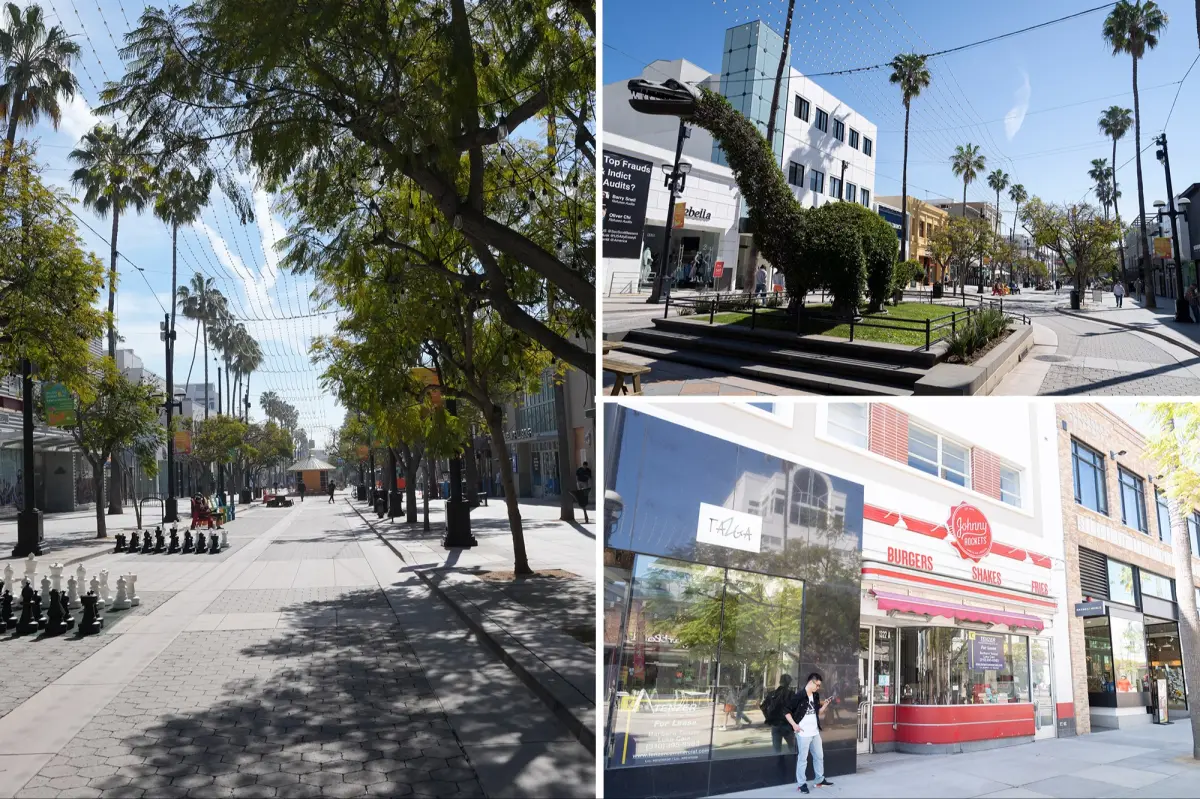
The empty storefronts along Santa Monica’s Third Street Promenade tell a heartbreaking story that many locals have felt in their hearts long before the numbers proved it. Imagine strolling that once-vibrant beachside strip, where laughter and chatter used to fill the air, only to see nearly one in three shops staring back blankly, their windows shrouded or boarded up. A talented product designer from the area took it upon himself to map this out interactively, laying bare the grim reality: 28.5% of those spaces are vacant, a stark testament to a place that was the beating heart of Southern California shopping and nightlife. It’s not just data; it’s a personal loss for families who once made memories here, grabbing ice cream with kids or window-shopping on sunny afternoons. The designer, though declining interviews, has given voice to a collective sigh of disappointment, reminding us that behind every closed door is someone’s dream deferred—store owners who poured their lives into coffee shops, boutiques, or quirky art galleries, now left wondering where it all went wrong.
What hollowed out this iconic outdoor mall, just two blocks from the endless Pacific waves, is a tale as old as modern malls but deeply personal in its impact. Online shopping swooped in like an unstoppable tide, luring away the impulse buys and leisurely browses that used to anchor weekends for tourists and residents alike. Add to that the scourge of homelessness, which has turned what was meant to be a welcoming, idyllic spot into something shadowed with uncertainty and discomfort for visitors. You’ve got locals who grew up dodging skateboards and sniffing fresh pretzels, now navigating crowds that include the unseen struggles of the unsheltered, making the promenade feel less like a happy retreat and more like a relic. It’s the kind of change that hits home—mothers avoiding after-school strolls, couples opting for safer nearby spots, and the lively hum giving way to an eerie quiet. This isn’t corporate buzzwords; it’s real people feeling the sting of a neighborhood transformed, their favorite haunts feeling like ghosts of better times.
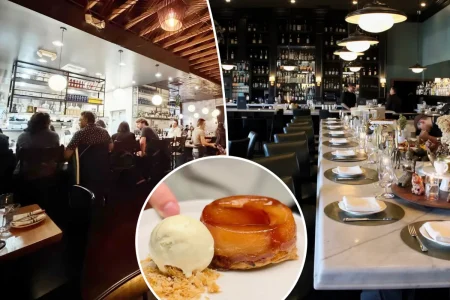
The latest heartbreak came just days before, with The Misfit Bar and Restaurant announcing its closure after a cherished 15 years inside the historic Clock Tower building. Picture the softly-lit gastropub, a cozy nook where friends gathered for craft beers and hearty meals, sharing stories that echoed off the walls of this once-bustling hub. Now, it’s shuttering for good, leaving patrons to mourn the loss of a spot that felt like an extension of their living rooms. Not far away, The Britannia pub is also calling it quits, only to be replaced by a Taco Bell Cantina—a change that’s sparked outrage among those who cherished its pints and pub grub. The owner cited lease frustrations, inconsistent building ownership, and that relentless decline in foot traffic that makes evenings out feel increasingly rare. It’s a human tragedy in microcosm: the bartenders, servers, and regulars who turned these places into community cornerstones, now facing layoffs or bittersweet goodbyes. Downloading the map to see these vacancies laid out is like scrolling through an old photo album—each empty spot a reminder of the everyday magic that’s slipping away.
Worse still, big names that once drew hordes of shoppers have bolted, leaving gaping holes in the promenade’s fabric. Old Navy, Gap, H&M, and even the AMC movie theater—all those anchors that turned casual walks into shopping marathons—have packed up and left, their departures pulling the rug out from under independent stores that depended on the spillover crowds. Think about it: families who used to hit up the Gap for back-to-school outfits, teens sneaking into flicks at the theater, all now forced to drive to suburban malls or click “add to cart” at home. That erosion of foot traffic feels intimate, like losing a friend group one by one— the vitality seeps away, and with it, the jobs, the local economy, and the sense of place that made Santa Monica a must-visit draw in L.A. These closures aren’t abstract statistics; they’re tangible voids where shared experiences used to thrive, forcing people to confront how modern life has rendered even cherished spots obsolete.
In response, Santa Monica’s officials are scrambling with heartfelt urgency to breathe new life into the strip, hoping to mend this broken heart. They’ve expanded the outdoor Entertainment Zone—a mini Bourbon Street vibe where adults can sip drinks under the stars—aiming to recreate that festive energy that once made evenings sparkle. Backing it up with $3 million in economic development funds, they’re offering incentives to lure restaurants and businesses back, like a parent promising treats for good behavior. And there’s excitement building around a massive September music festival, organizers dreaming of 30,000 to 35,000 attendees jamming to beats that could revitalize the promenade’s spirit. These efforts speak to optimism, to community leaders who woke up to the crisis and refused to let LA’s historic gem fade into obscurity. It’s about preserving culture and connection, ensuring that future generations might rediscover the magic of hanukkah lights, street performers, and seaside strolls—efforts that come from a place of love for the area, not just pragmatic fixes.
Yet, for the locals who’ve watched this exodus unfold step by step, the mood hangs heavy like a coastal fog that just won’t lift. Redditors and neighbors are venting their grief online, echoing sentiments like “I hate this so much—my fave bar in Santa Monica” from one heartbroken poster, lamenting how the downtown has been gutted. “Absolutely insane, there’s nothing left downtown,” another might add, capturing the raw frustration of a community seeing their playground vanish. It’s not just economics; it’s the emotional toll of a neighborhood losing its soul—folks missing the spontaneous runs into friends, the late-night bites, the effortless joy of a place that defined weekend routines. As vacancies climb and closures sting, there’s a collective ache for what was and a wary hope for what’s next, reminding us that urban decay isn’t impersonal—it’s felt in the empty chairs at beloved bars, the quiet streets, and the longing for the promenade to buzz once more with life and laughter.