


For generations, Disneyland has stood as an enduring beacon of unbridled joy, a whimsical sanctuary specifically designed to transport visitors away from the mundane, wearying stresses of everyday life and into a vibrant world where imagination feels entirely tangible. Walking down Main Street, U.S.A., with the sweet, buttery scent of fresh popcorn hanging in the warm air, the dazzling sunlight reflecting off the pristine, turn-of-the-century storefronts, and the familiar, comforting melodies of childhood classics echoing softly in the background, it is incredibly easy to understand why this iconic Southern California landmark earned its legendary moniker as the “Happiest Place on Earth.” For countless families across the globe, a trip to this park is far more than a simple vacation; it represents a sacred family pilgrimage and a deeply sentimental rite of passage, often funded by months or even years of diligent saving, personal sacrifices, and meticulous household budgeting. Yet, beneath the sparkling, fairy-tale facade of Sleeping Beauty Castle and the infectious laughter of guests riding their favorite classic attractions, a quiet and sobering transformation is taking place that threatens to permanently dim the luster of this beloved cultural institution. The magical escapism that has long defined the core of the Disney experience is increasingly being overshadowed by the harsh, cold realities of modern corporate profit-seeking and relentless price hikes. Today, the emotional warmth of stepping into a realm of pure fantasy is frequently met with a sharp, chilling shock at the cash register, leaving many loyal, lifelong visitors to face the painful realization that their cherished sanctuary of childhood nostalgia is rapidly transforming into an elite playground, where the opportunity to make memories is meticulously metered by the dollar. This shift from accessible family fun to high-end luxury consumption raises critical questions about the accessibility of wonder in our modern world, as the barriers to entry become steeper and more daunting with each passing fiscal quarter, turning what was once a democratic escape into a symbol of economic divide.
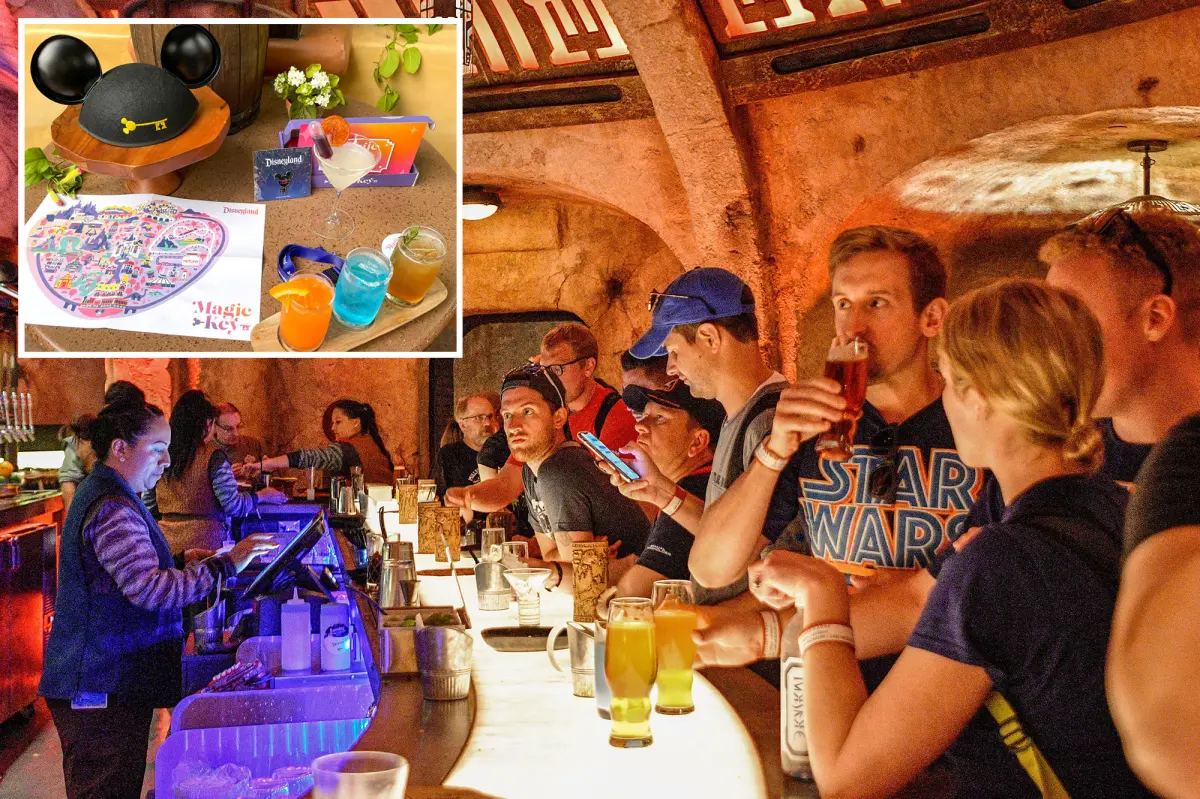
Nowhere is this modern financial squeeze felt more acutely by adult visitors than in the park’s carefully curated, atmospheric dining lounges, where the simple pleasure of an evening drink has quietly morphed into an extravagant indulgence. Disneyland has recently instituted a series of subtle yet sweeping price increases on hundreds of food and beverage items across its properties, sending shockwaves through the community of park enthusiasts as the average cost of a single cocktail has climbed to a staggering, eye-watering twenty-one dollars. According to detailed industry tracking, this represents yet another incremental hike of about one dollar per drink, a deceptively small number that quickly adds up to a massive financial burden for couples and groups looking to unwind after a long day of walking. The scale of this increase is truly staggering when looking at the sheer volume of high-priced beverages now offered; the park now boasts a whopping 118 distinct alcoholic beverages priced at or above the twenty-dollar threshold, representing a massive jump from the seventy-seven items that occupied this premium tier just a short time ago. This pricing surge is particularly evident at highly sought-after, immersive watering holes such as the Pixar-themed Lamplight Lounge and the elegant, old-Hollywood-inspired Carthay Circle Lounge and Restaurant located within Disney California Adventure Park. In these premium spaces, popular signature creations like the Tequila Daisy, the Double Pear Martini, and the sophisticated Aviation Cocktail have all seen their price tags leap from an already pricey twenty-two dollars to a breathtaking twenty-four dollars, while the whimsical Cinnamon Toast Cocktail jumped nearly three dollars to rest at twenty-two dollars. For the tired parent or the adult fan seeking a brief, relaxing oasis away from the frantic, sensory overload of the park’s crowded midways, these menus now present a frustrating barrier, transforming a casual moment of relaxation into a highly scrutinized financial decision.
However, the scope of this financial re-evaluation extends far beyond the sophisticated realm of premium adult beverages, cutting deep into the very heart of the family dining experience by targeting the simple, nostalgic treats that children look forward to all year long. In this latest round of quiet pricing adjustments, nearly three hundred distinct food and beverage items across the resort have been impacted, with the typical menu item seeing an increase of approximately one dollar. This quiet inflation has directly hit the park’s most beloved sweet staples, which are woven into the very fabric of the Disney memory-making experience. Guests purchasing standard bakery items like beautifully decorated cupcakes, giant chocolate chip cookies, and colorful, Mickey-shaped cake pops are finding themselves paying more for the same familiar flavors. This latest wave of adjustments follows hot on the heels of an even more massive pricing sweep that occurred just weeks prior, which saw price increases on over eight hundred food and drink items distributed across one hundred and seventy-eight different dining locations, including park kiosks and resort hotels. No culinary icon was spared in this aggressive campaign; the price of the legendary, crispy cinnamon-sugar churros, decadent funnel cakes, fluffy powdered Mickey-shaped beignets, and even basic necessities like a standard bottle of Dasani water were all quietly ticked upward. For an average family of four attempting to navigate a multi-day trip, these seemingly minor dollar-by-dollar increases on snacks and basic hydration build a cumulative financial avalanche, turning a simple afternoon snack break into a major line item that can easily derail a carefully planned vacation budget. For parents, the emotional tax of having to repeatedly say “no” to their children’s pleas for a simple churro or a colorful cake pop because of inflated prices casts a shadow over what is supposed to be a stress-free environment of pure delight, forcing families to constantly calculate math formulas in their heads instead of immersing themselves in the wonder of the park.
Behind these continuous, quiet price hikes lies a calculated corporate strategy that expertly exploits a psychological phenomenon often referred to as “vacation brain.” Corporate analysts and pricing executives are fully aware that once a family has crossed the threshold of the park gates, they enter a state of emotional and financial vulnerability where normal, logical spending habits are temporarily suspended. Having already committed thousands of dollars to airfare, hotel accommodations, and park admission, guests often experience a form of psychological licensing, telling themselves, “We are already here, we are on vacation, and we deserve to treat ourselves,” in order to justify spending an outrageous sum on a single cocktail or a basic meal. This deep-seated human desire to maximize enjoyment and minimize regret while on a rare family trip is weaponized by the resort, allowing them to introduce price increases with minimal immediate resistance at the point of sale. Furthermore, the timing and execution of these rollouts are carefully engineered to avoid massive, unified public backlash; by quietly raising prices on a rolling basis across different categories and seasons, the resort prevents a single, explosive news headline, softening the blow while achieving the same lucrative end result. This strategic creeping of costs is not over yet, as industry insiders and dedicated fan sites are already anticipating yet another significant wave of food and beverage price increases scheduled to arrive this coming autumn. This calculated approach to monetization raises serious ethical questions about how a company with such deep emotional ties to its consumer base chooses to leverage that loyalty, prioritizing short-term revenue gains over the long-term trust of its most dedicated patrons. When a consumer begins to feel like a metric to be optimized rather than a guest to be welcomed, the fundamental hospitality that made the brand a household name begins to rot from the inside out, replacing genuine magic with corporate calculation.
This erosion of trust has sparked a passionate and deeply emotional outcry across online communities, where lifelong fans are gathering to voice their collective grief, frustration, and sense of betrayal. In popular online forums and Reddit communities dedicated to Disneyland, the reaction to the latest price hikes has been swift, raw, and overwhelmingly sorrowful, reflecting a community that feels increasingly alienated by the company they have loved for decades. Many users pointed out the grim reality of “vacation brain,” with one commenter noting that Disney will undoubtedly continue to raise prices indefinitely because they know people will always use the excuse of being on vacation to justify spending twenty dollars or more on a single drink. Other comments carried a heavier, more nostalgic weight, as older fans lamented the loss of an era when a trip to Anaheim was an accessible, affordable reality for middle-class families. One heartbroken user shared a sentiment that resonated with thousands, expressing deep sadness that they will likely never be able to afford a return trip to the park, citing the toxic combination of relentless price gouging and overwhelming, suffocating crowds, while simultaneously expressing gratitude that they were at least able to experience the park during its golden eras of the 1980s and 1990s, and to share those memories with their wife years ago before prices spiraled out of reach. These online discussions are not merely standard consumer complaints about inflation; they represent a collective mourning for a lost cultural touchstone, a shared realization that a place that once felt like a welcoming home to everyone is slowly but surely closing its doors to the very people who built its legacy. The dream of passing down the magic of Disneyland to the next generation is being abruptly shattered for many parents, who find themselves priced out of the very traditions that shaped their own youth, creating a tragic generational disconnect.
When viewed through a broader financial lens, these food and beverage increases are not isolated incidents but rather the latest symptoms of a larger, systemic upward trajectory in the overall cost of a Disney vacation. This latest menu hike comes closely on the heels of a significant and highly controversial ticket price increase that occurred last October, which saw the cost of select single-day admission tickets jump by as much as eighteen dollars. When you combine more expensive admission tickets, rising resort accommodation costs, and the now-exorbitant prices of basic food and drink, the total financial equation of a Disneyland vacation becomes an impossible barrier for the average working-class family. This relentless drive to maximize profit margin per guest risks alienating the core demographic that has sustained the Disney empire for nearly seven decades: the everyday families who believe in the power of a shared dream. If Disneyland continues on this trajectory of premium pricing, it faces the existential risk of losing its unique cultural soul, transforming from a beloved, democratic institution of shared American imagination into an exclusive, highly transactional country club reserved solely for the wealthy elite. The ultimate tragedy of this corporate evolution is that it stands in direct opposition to the founding philosophy of Walt Disney himself, who envisioned his parks as welcoming spaces where parents and children of all backgrounds could have fun together. As the price of admission and basic sustenance continues to climb into the stratosphere, the true cost of these hikes is measured not in the dollars and cents printed on a receipt, but in the lost dreams of children who will only ever view the castle from afar, and the quiet fading of a magic that was once meant for everyone. In the end, a place can only truly call itself the “Happiest Place on Earth” if happiness remains within reach of those who need it most, proving that the ultimate metric of success should be the smiles on the faces of families, rather than the profit margins reported to shareholders.