


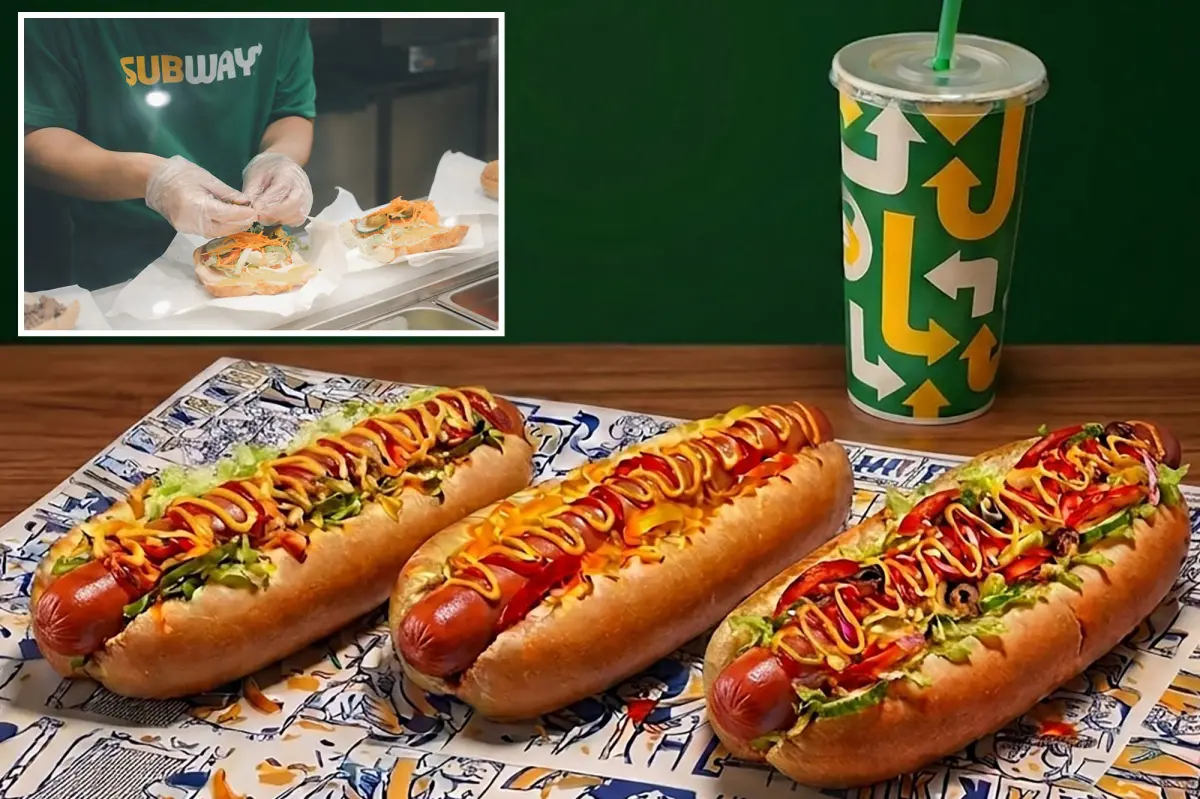
There is a comforting, almost nostalgic simplicity to the foods we turn to during the sweltering days of summer. We crave items that evoke memories of backyard barbecues, neighborhood block parties, and lazy afternoons spent under the warm sun. For decades, the hot dog has stood as an undisputed champion of these communal gatherings, representing a humble, accessible, and uncomplicated culinary joy. Yet, behind its simple exterior lies a perennially lighthearted debate that has divided families, friends, and internet forums alike: is a hot dog truly a sandwich, or does it occupy its own distinct, sacred category in the pantheon of handheld foods? Seeking to capitalize on this enduring pop-culture discussion, Subway Canada launched an ambitious, high-profile menu experiment known as the SubDog. This curiosity was designed as a massive, half-pound all-beef frankfurter sourced from the well-known Schneider’s brand, cradled within the sandwich chain’s signature fresh-baked bread, and made entirely customizable with their standard array of crisp vegetables, savory sauces, and condiments. By merging the quintessential ballpark favorite with the customizable blueprint of their classic submarine sandwiches, Subway’s marketing team confidently declared that a hot dog could achieve much more when it dared to think like a sandwich. It was a bold corporate attempt to blend two beloved comfort foods into a singular, summer-defining culinary crossover that would capture the public’s imagination, stimulate casual conversations over lunch, and drive foot traffic to their franchise locations from coast to coast.
However, the delicate art of food marketing is often at the complete mercy of visual presentation, and on the internet, first impressions are both instant and unforgiving. Instead of sparking a whimsical debate about culinary taxonomy, the SubDog quickly went viral for all the wrong reasons as social media feeds became flooded with unappealing, high-definition photographs of the newly released menu item. Hungry consumers and digital food reviewers who rushed to purchase the novelty item with high expectations were met with a visual reality that looked dramatically different from the vibrant, heavily styled promotional images typical of corporate advertisements. Rather than a plump, golden-brown sausage glistening with gourmet condiments, many customers opened their paper wrappers to discover a long, dense, and decidedly gray-hued frankfurter that seemed to absorb the light rather than reflect it. This unexpected, dull coloration immediately triggered a wave of visceral aesthetic rejection across platforms like X (formerly Twitter) and Reddit, where users quickly bypassed discussions of taste to focus entirely on the product’s unappetizing presentation. From the perspective of evolutionary human psychology, our appetite is deeply intertwined with visual cues; bright, warm colors signal ripeness and vitality, while gray and muted tones naturally trigger subconscious alarms associated with spoilage or artificiality. Consequently, the digital community wasted no time in mocking the SubDog’s appearance, with prominent social media commentators and food bloggers describing the frankfurter as looking highly processed and visually repulsive, transforming what was meant to be a lighthearted promotional launch into a masterclass in viral branding misfortune.
As the online mockery intensified, the public’s skepticism quickly expanded beyond the physical color of the meat to include a deep dive into the chemical makeup of modern, industrially produced foods. In an era where consumers are increasingly health-conscious and demanding greater transparency about what they put into their bodies, the long, clinical list of ingredients printed on the product’s nutritional factual labels became a secondary focal point of outrage. Critics and inquisitive online users began sharing screenshots of the SubDog’s recipe, pointing out a complex cocktail of food additives, preservatives, and binders including corn syrup solids, modified corn starch, potassium lactate, sodium phosphate, sodium diacetate, and sodium nitrite. For the average person scrolling through social media, seeing such a dense array of laboratory-sounding chemicals printed side-by-side can provoke a profound sense of alienation and anxiety, reminding us of the vast distance between traditional, wholesome cooking and the highly engineered realities of modern fast food. This revelation added fuel to the fire, allowing critics to paint the product not just as an aesthetic failure, but as a heavily processed chemical creation that stood in stark contrast to Subway’s historic, multi-decade marketing campaign built around the wholesome slogan of eating fresh. The contrast between the fresh, field-grown image of crisp green lettuce and bright red tomatoes alongside a highly preserved, gray-toned industrial beef log highlighted a persistent tension in the quick-service restaurant industry, where the logistical necessity of mass-producing shelf-stable meats often clashes with the consumer’s romanticized desire for natural, farm-to-table simplicity.
Beyond the aesthetic and nutritional concerns, the SubDog faced a steep uphill battle in the court of consumer value, particularly at a time when everyday economic pressures have made people highly sensitive to how they spend their hard-earned money. With a price tag hovering around a hefty thirteen dollars, many customers walked away from their local franchises feeling a profound sense of buyer’s remorse, questioning how a basic hot dog—traditionally celebrated as one of the most budget-friendly, democratic foods on the planet—could justify such a premium cost. When customers actually unwrapped the product and took their first bites, the consensus among many brave early adopters was that the novelty of the combination quickly disintegrated into a disorganized, unharmonious eating experience. Real-world reviewers expressed deep disappointment with the flavor profile, noting that simply swapping out traditional sliced deli meats for a massive, twelve-inch hot dog inside a standard submarine roll created a confusing texture and a lack of cohesive flavor. Traditional hot dog toppings like tangy yellow mustard, sweet pickle relish, and warm sauerkraut are specifically designed to cut through the heavy, fatty richness of cured sausage meat; when replaced by Subway’s standard garden toppings like shredded iceberg lettuce, raw red onions, and fresh tomatoes, the result was described by disappointed diners as soggy, disjointed, and ultimately unsatisfying. The stark difference between paying premium, sit-down restaurant prices and receiving what many felt was an uninspired, poorly executed assembly-line experiment left a lingering sense of disappointment, demonstrating that consumers are quick to penalize brands that attempt to charge high-end prices for low-effort culinary gimmicks.
Despite the intense online backlash and the widespread mockery of the frankfurter’s appearance, there is a fascinating scientific explanation for the controversial gray coloration that may actually vindicate the product’s creators, even if it failed to appease the court of public opinion. In the commercial meat industry, the vibrant, bright-pink color that people typically associate with store-bought hot dogs is largely an artificial byproduct of specific curing agents, chemical preservation methods, and synthetic coloring dyes designed purely to make the product look more visually appealing under fluorescent supermarket lights. When hot dogs are made with high percentages of actual beef and are prepared with minimal artificial coloring, or when they are cooked and photographed under natural, less-than-ideal lighting conditions, they naturally tend to take on a much darker, brownish-gray hue that closer resembles real, home-cooked ground beef. The general public has become so thoroughly conditioned by decades of consuming hyper-processed, artificially dyed, neon-pink hot dogs that when presented with a product that actually displays the natural coloration of cooked beef, their instinctual reaction is to assume that the food is chemical-ridden, old, or unsafe to consume. This creates a deeply ironic reality in the modern food landscape, where a brand’s attempt to use a more substantial, all-beef product can backfire spectacularly because the consumer’s visual expectations have been fundamentally warped by a lifetime of eating artificial, highly engineered foods that do not look like real ingredients at all.
Ultimately, the brief, chaotic saga of Subway Canada’s SubDog serves as a compelling modern parable about the delicate, unpredictable relationship between corporate ambition, food science, and the untamable power of internet culture. Positioned as a limited-time summer promotion extending through the end of August, the campaign attempted to soften the blow of the initial public relations stumble by offering customers attractive sweepstakes entries, including weekly prizes and a grand-prize trip to see a Toronto Blue Jays baseball game—an environment where hot dogs are famously celebrated and consumed by the thousands. Yet, even with these enticing promotional incentives, the legacy of the SubDog will likely remain defined of its viral, gray-hued digital footprint rather than its success as a revolutionary new addition to the menu. It highlights how fast-food chains must tread carefully when manipulating the nostalgic, deeply personal foods of our childhood, as consumers possess a protective, almost sacred ownership over the culinary memories they hold dear. While the SubDog may not have settled the ancient debate of whether a hot dog qualifies as a sandwich, it certainly proved that in the fast-paced, visually driven arena of social media, the appearance of our food matters just as much as its taste, reminding us that we truly do eat with our eyes before we ever take our very first bite.