





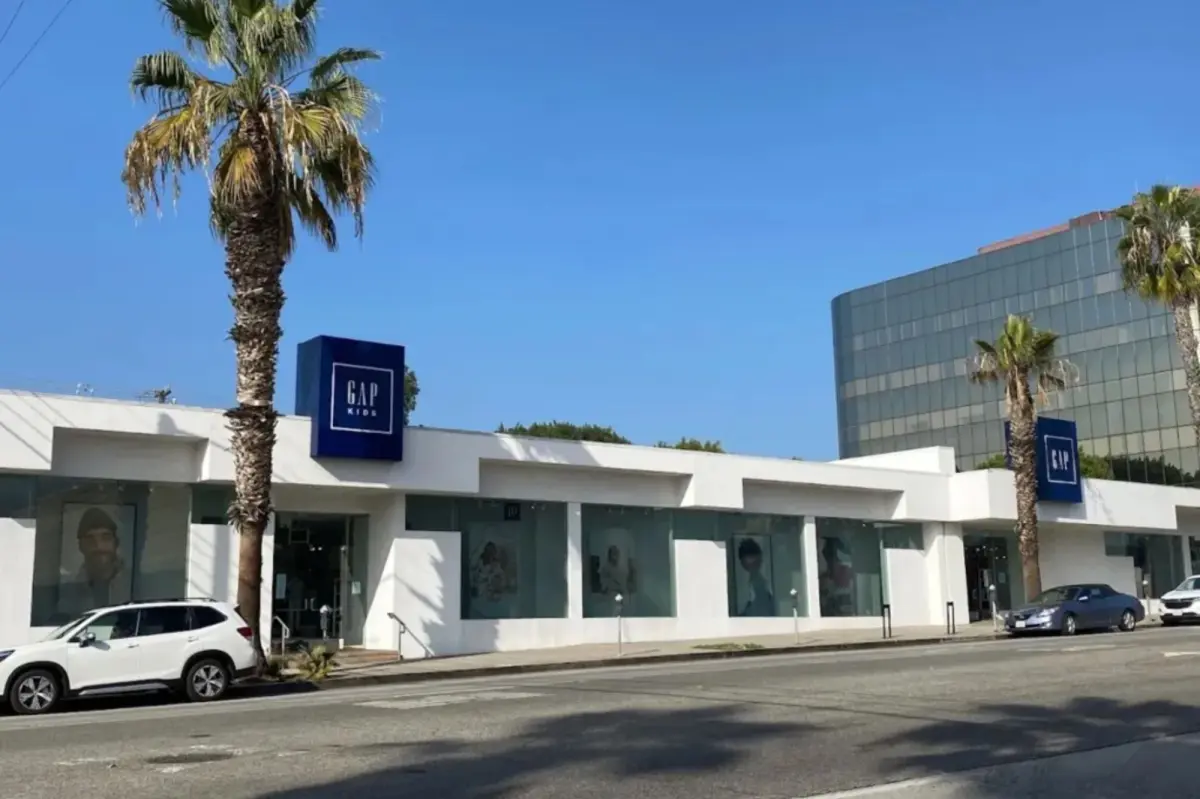
The physical environment of a local neighborhood holds our personal memories in ways that modern digital spaces never can, acting as a visual and tactile journal of our daily lives. On the busy, sun-kissed corner of Wilshire Boulevard and 20th Street in Santa Monica, a quiet monument to Southern California’s retail heritage is preparing to lower its metal storefront gates for the very last time. The region’s very first Gap store, which has stood as a beacon of casual American style since the early 1970s, is scheduled to close its doors permanently on July 23, marking the end of an extraordinary fifty-year era. This historic location was far more than just a retail shop; it was a physical landmark where the scent of freshly pressed denim and the familiar hum of pop music created a safe, welcoming sanctuary for generations of shoppers. For over five decades, this store has weathered the volatile storms of economic shifts, fashion revolutions, and cultural transformations, remaining a constant anchor in a rapidly evolving coastal landscape. The decision to close comes as the property’s long-term lease reaches its natural conclusion this summer, prompting an urban transition that has filled both locals and company veterans with a lingering sense of nostalgia. In an official statement reflecting on this monumental departure, a corporate spokesperson for the Gap expressed profound gratitude to the generations of loyal customers, dedicated sales associates, and neighborhood residents who transformed this humble retail space into a vibrant community institution. While the parent corporation is actively working to transition the current store staff to neighboring branches to preserve their livelihoods, the loss of this iconic storefront leaves an irreplaceable void in the hearts of those who view it as a cornerstone of their personal histories, highlighting how deeply interwoven our local commercial spaces are with our collective identity.
Beyond its traditional role as a corporate commercial hub, the Wilshire Boulevard Gap served as a living archive of popular cultural artifacts, classic celebrity lore, and genuine community resilience that elevated it far above a standard retail establishment. During the golden age of physical retail in the 1980s and 1990s, the store was a frequent destination for Hollywood royalty who sought a slice of normal, everyday life away from the camera glare; former employees fondly recollect the electric excitement that filled the sales floor when iconic screen couple Kurt Russell and Goldie Hawn would casually stroll through the doors to browse the denim selection. The unique, sun-drenched architecture of this coastal branch even captured the quirky imagination of the entertainment industry, serving as the colorful backdrop for a classic, high-energy Weird Al Yankovic music video shoot that forever etched the location into the broader annals of American pop culture. Yet, the store’s most profound impact was manifested during times of local crisis, when it transcended its corporate identity to serve as a vital emergency supply hub for first responders battling devastating regional wildfires. During these challenging moments, the store’s staff worked tirelessly not to sell consumer goods, but to coordinate critical resources and provide essential gear to the brave firefighters and emergency personnel saving local lives. On digital forums and neighborhood networks, former employees have united to share heartfelt memories of their formative years working at the store—recollections of late-night inventory counts, shared laughter in the breakroom, and the deep pride of working at a place that felt more like an extended family than a corporate retail outlet. These personal testimonies reveal that the store’s true legacy is carried not in the merchandise it sold, but in the connections nurtured within its walls.
For the residents of Santa Monica, the impending closure of the Gap touches a deeply personal nerve, highlighting the profound multi-generational connections that families have forged within its walls. Many locals have shared moving stories of their life journeys map-lined by visits to this single retail storefront; one resident recalled being brought to the store as a wide-eyed toddler in the early days of its operation, only to return decades later as a parent to purchase first-day-of-school outfits for their own children at the very same cash registers. This circularity of life, anchored by a physical space, is a rare comfort in a world dominated by rapid digital turnover and isolated online commerce. Furthermore, the loss of this location brings into sharp focus the dwindling availability of convenient, accessible neighborhood retail options that do not require navigating the overwhelming chaos of massive regional shopping centers. Neighbors have voiced their intense frustration on community boards, lamenting the terrifying logistics of visiting sprawling, sterile mega-malls like Century City or the far-flung, traffic-congested parking structures of the Grove, which demand high parking fees and exhausting walks just to purchase a simple pair of socks or a basic cotton t-shirt. The Wilshire Boulevard Gap was a sanctuary of convenience—a place where one could easily park, walk inside, find reliable basics, and return home without the sensory overload and financial strain of modern consumer citadels. By losing this neighborhood hub, residents are not only losing a store; they are losing a precious piece of spatial convenience and a physical touchstone that connected their childhood memories directly to their adult realities, emphasizing the deep loss felt when local establishments are phased out.
This heartbreaking closure is not an isolated event but rather the latest symptom of a broader, deeply distressing transformation sweeping through the historic streets of Santa Monica. In recent years, the coastal city has witnessed a steady and painful exodus of its beloved local institutions, leaving residents feeling like tourists in their own hometown as the familiar landmarks of their youth vanish one by one. The loss of the Gap follows closely on the heels of the sudden shuttering of The Misfit, an iconic restaurant and bar that served as an essential social hub, and the deeply mourned closure of the Britannia Pub, a cherished local watering hole that is tragically scheduled to be replaced by a standardized, corporate Taco Bell drive-thru. Even the world-famous Third Street Promenade, once a bustling epicenter of local culture, street performers, and vibrant commerce, has struggled to maintain its soul, emerging recently as the target of late-night comedic monologues that poke fun at its blocks of vacant storefronts and eerie silence. This ongoing retail decay represents a profound cultural crisis for Santa Monica, as the unique character and human-centered charm of the city are systematically eroded by economic pressures, rising real estate costs, and the changing habits of a post-pandemic society. For many who live in the area, watching these familiar establishments shut their doors feels like watching the physical chapters of their own lives being erased, sparking a collective anxiety about what kind of community will be left when all the social, culinary, and retail spaces that once fostered human connection have been replaced by empty lots or sterile corporate chains that lack any root in the local history.
However, the physical space left behind by the departing Gap will not remain empty for long, as the site is slated to undergo a radical physical transformation designed to address one of California’s most pressing social challenges. In place of the low-slung, decades-old retail building, developer Cypress Equity Investments is preparing to construct a modern, eight-story mixed-use complex that will dramatically reshape the corner of Wilshire Boulevard and 20th Street. This ambitious project will feature 260 high-density apartment units, with 26 of those homes permanently designated as affordable housing units, providing much-needed relief for working-class families shut out of the coastal city’s notoriously expensive real estate market. The residential spaces will be built atop approximately 21,500 square feet of brand-new, ground-floor commercial space, designed to attract a new generation of local businesses and restore active street life to the neighborhood. This transition from consumer retail to high-density housing represents a complex and bittersweet trade-off that sits at the very heart of contemporary urban planning discussions. While the demolition of a fifty-year-old local landmark brings genuine grief and nostalgia, the creation of safe, stable, and affordable homes for hundreds of Californians represents an empathetic and necessary evolution of the city’s physical infrastructure. The project stands as a testament to the changing priorities of our urban centers, where the desperate human need for shelter and affordable living spaces must be balanced against our natural desire to preserve the historic commercial landmarks of our shared past, offering a hopeful vision of a more inclusive, sustainable urban future where housing accessibility is elevated.
As the final weeks tick away before the July 23 deadline, Santa Monica residents have a precious, fleeting opportunity to make one last pilgrimage to the legendary storefront, to stroll through its familiar aisles, and to bid a fondness-filled farewell to a piece of their collective childhoods. The closing of this historic Gap serves as a poignant reminder of the inevitable march of time, illustrating how the physical landscapes we take for granted are constantly shifting beneath our feet to reflect the changing needs of the living. While it is natural to mourn the loss of the brick-and-mortar storefronts that framed our youth, we must also recognize that the memories, friendships, and community bonds forged within those spaces remain entirely untouched by the wrecker’s ball. The spirit of the Wilshire Boulevard Gap—defined by the dedicated employees who styled generations of neighbors, the cultural milestones that unfolded within its walls, and the quiet comfort of simple daily routines—will endure long after the building is demolished to make way for new apartments. As the city of Santa Monica continues to navigate the uneasy boundaries between preserving its rich cultural history and building a more inclusive, housing-dense future, we are reminded that a true community is not built merely of bricks, mortar, and corporate signs, but of the resilient, empathetic, and interconnected people who inhabit it. By carrying the stories of our past into the newly built spaces of our future, we ensure that the heart of Santa Monica remains vibrant, compassionate, and deeply human, no matter how much its physical skyline may change, proving that local legacy is carried infinitely forward in the spirit of togetherness.