

The Allure and Pitfalls of Paradise: Tourism’s Double-Edged Sword in the Canary Islands
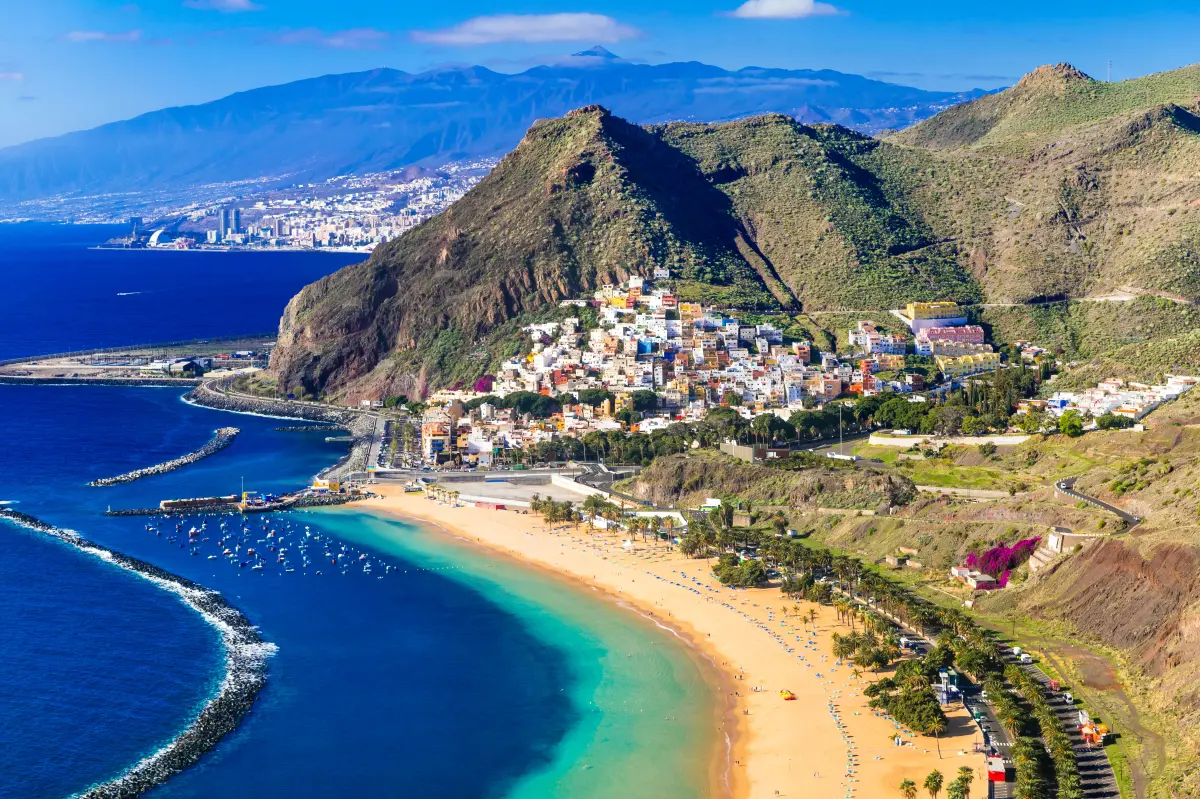
The Canary Islands, a sun-drenched archipelago off the coast of Spain, have long been a dream destination for travelers seeking pristine beaches, rugged volcanic landscapes, and endless adventure. In 2025, over 18.4 million visitors flocked to these islands—both from far-flung international spots and the Spanish mainland—turning what was once a relatively quiet haven into a bustling hub of tourism. This influx has brought economic prosperity, filling resorts, restaurants, and shops with eager tourists chasing the perfect vacation. Yet, beneath the surface of this paradise lies a growing concern that has officials scratching their heads and raising their voices. Recent emergencies have highlighted a troubling trend: tourists ignoring safety warnings, venturing into dangerously risky areas, and ultimately costing the island’s emergency services a fortune. It’s a human story of thrill-seekers pushing boundaries without considering the consequences, and Fernando Figuereo, the general director of emergencies in the Canary Islands, is tired of footing the bill. Figuereo isn’t some faceless bureaucrat; he’s a dedicated public servant whose job it is to protect lives, and he’s seen firsthand how recklessness can turn a dream holiday into a nightmare. At a press conference on February 10, he openly criticized visitors, emphasizing that emergency operations aren’t free. For instance, a single hour of helicopter rescue can cost over $2,000, and when manpower, equipment, and time from firefighters, divers, and police are factored in, the totals can skyrocket. Imagine you’re a young couple on your honeymoon: you spot a secluded beach with red flags waving, signaling danger due to currents or tides, but you dismiss it, thinking “it won’t happen to us.” What’s the harm? Well, if you get swept out by a rogue wave, someone has to pay for the teams that pull you to safety—someone meaning unexpected dip into public funds. It’s not about punishing the unfortunate souls who slip and fall in genuine accidents; Figuereo clarified it’s about holding accountable those who knowingly disregard signs and barriers, turning emergencies into preventable tragedies. Humans are drawn to risk, but in places like the Canary Islands, where nature’s beauty masks its brutality, this disregard can strain resources meant for everyone. Local residents, who rely on stable emergency services for their own lives, feel the pinch as tourist-induced calls mount up. Consider the emotional toll: emergency responders aren’t robots; they’re people with families, working grueling shifts to save lives, only to face criticism for billing those who treat warnings like optional suggestions. Authorities are pushing for systemic change, mulling edits to the Civil Protection and Emergencies law to formalize this, ensuring that negligence isn’t just ignored. In a world where sharing viral photos of daring feats outweighs personal safety, Figuereo’s words serve as a wake-up call: vacations are meant to be enjoyed, but not at the expense of others’ well-being or the public’s pocket. As tourism continues to boom, this delicate balance between freedom and responsibility hangs in the air, urging visitors to pause, read the signs, and choose caution over carnage.
Tales of Recklessness and Rescue: When Thrill-Seeking Goes Too Far
Diving deeper into the stories that sparked this debate, one can’t help but feel a pang of empathy for the individuals involved in these mishaps. Take, for example, the tragic case from January: a 23-year-old tourist, full of youthful energy and perhaps a bit overconfident, found himself in critical condition after a harrowing fall while hiking along the towering Los Gigantes cliffs. These cliffs, named for their sheer scale—reaching heights that dwarf even the tallest buildings—offer breathtaking views that lure adventurers. But they also pose perilous drops, with narrow paths, loose rocks, and sudden winds that can knock you off balance. This young man, likely chasing the ultimate Instagram-worthy shot, ventured into a hard-to-reach area despite clear warnings. The rescue was massive: helicopters whirring overhead, teams rappelling down sheer faces, medical personnel rushing to stabilize him before airlifting him to a hospital. Imagine the fear in his family’s eyes as they wait by the phone, their dream trip turned into a medical ordeal. Was this just bad luck, or a failure to heed the signs posted by local guides and authorities? Such incidents remind us that behind every statistic is a person—a traveler whose bravery blurred into recklessness. Another heart-wrenching anecdote comes from southern Lanzarote, where a group of students from Madrid, probably on a buddies’ getaway, defied a road closure barrier and wandered into a restricted zone. The outcome was devastating: one man missing and later recovered as a lifeless body, while his companions were found nearby, clinging to hope in a maritime emergency. Rescue operations mobilized a symphony of resources—dive teams plunging into turbulent waters, firefighters scanning shorelines, a helicopter circling for aerial support, and maritime crews battling waves. The three survivors, reportedly students venturing out for fun, were pulled from the sea, exhausted and traumatized. These aren’t isolated flukes; they’re patterns revealing a mindset where the thrill of the unknown overrides sensible precautions. For the locals, this is personal: divers who trained hard for seafood rescues now dig through currents for tourists who ignored “no entry” signs. And for the tourists themselves, it’s a rude awakening— from the adrenaline rush of spontaneity to the stark reality of hospital beds and hefty bills. By humanizing these stories, we see not villains but vulnerable people, victims of their own hubris, underscoring why officials like Figuereo push for accountability.
The Human Cost of Emergencies: Beyond the Bottom Line
While the financial strain is undeniable—each rescue draining thousands from public coffers—the real cost lies in the human element: the lives risked, the psyches scarred, and the strain on responders. Fernando Figuereo’s call to action isn’t just about money; it’s about fairness and safety in a tourism-saturated region. Picture a lifeguard on a flagged beach, watching helplessly as families wade into prohibited waters, or a park ranger sighing as hikers bypass barriers on volcanic trails. These everyday heroes witness the aftereffects: not just the rescues, but the long-term impacts, like psychological trauma for survivors or grief-stricken families mourning losses. For responders, each callout means time away from their own lives—missing dinners with kids, postponing personal adventures—while dealing with the debris of others’ poor choices. In the Canary Islands, where communities are tight-knit, everybody knows somebody in emergency services. A firefighter might lament the ever-growing list of tourist rescues that divert resources from local needs, like helping an elderly resident with a fall at home. On the flip side, tourists often arrive with dreams unmoored from reality, influenced by social media perfecting the illusion of risk-free adventures. A group of friends, hyped up on YouTube videos of “epic cliff jumps,” might think barrier tape is just for show, leading to accidents that could have been avoided with a moment’s pause. The government recognizes this, aiming to involve the Canary Islands Police systematically: they’d document cases where negligence is clear, ensuring reckless individuals bear the brunt rather than it falling on society. But it’s more than punishment—it’s education, fostering a culture where respect for nature and safety protocols becomes second nature. Through new law edits, they’re striving to create accountability without vilifying tourism, knowing it’s key to livelihoods. By weaving in compassion—for the thrill-seekers learning lessons, the families mourning, and the locals bearing the load—this narrative shifts focus from dry figures to heartfelt realities. In essence, emergencies aren’t just operational; they’re deeply personal, touching hearts and prompting reflection on how one person’s impulsiveness can ripple outwards.
Ballooning Visitor Numbers: A Blessing Turned Burden
With 18.4 million tourists descending on the Canary Islands in 2025— a staggering figure blending eager explorers from Europe, America, and beyond—the islands have transformed into a veritable melting pot of cultures and stories. This surge, driven by affordable flights, stunning natural wonders, and post-pandemic wanderlust, has turbocharged the local economy, pumping billions into hotels, eateries, and souvenir shops. Yet, as with any boon, there’s a shadow side: overcrowding straining fragile ecosystems and emergency systems ill-equipped for such volumes. Authorities grapple with the irony—tourism feeds families and preserves jobs, but unchecked enthusiasm leads to overuse of resources. Imagine the scene in Tenerife or Gran Canaria: bustling beaches where internationals mix with mainland Spaniards, kids building sandcastles while adults snap selfies at cliffs not meant for photoshoots. For many visitors, like a retired couple saving for a once-in-a-lifetime trip, or backpackers chasing sunsets, the islands represent freedom and renewal. But some, perhaps influenced by glossy brochures downplaying risks, venture beyond safe zones, sparking the crises we’re seeing. Local voices add flesh to the numbers: a taxi driver recounting daily rescues, or a resort owner worrying about reputation as “dangerous” stories spread online. The 18.4 million figure isn’t abstract— it’s faces in the crowds, families reuniting, romances blossoming, but also cautionary tales of those who paid dearly for ignorance. Officials must balance welcoming arms with protective barriers, ensuring growth doesn’t overshadow safety. As tourism evolves, education campaigns—think posters blending beauty shots with safety tips— could humanize the experience, turning visitors into responsible stewards. Without it, the paradise risks becoming paradise lost, where numbers tell only part of the story.
Crafting Accountability: From Words to Actions in Emergency Policy
The push for change isn’t rhetorical; the Canary Islands government is rolling up sleeves to draft amendments to the Civil Protection and Emergencies law, aiming to embed responsibility into the very fabric of tourism. Fernando Figuereo’s vision involves active policing: the Canary Islands Police would now play a central role, registering instances where tourist negligence directly causes rescues. No longer passive observers, they’d document names, circumstances, and perhaps even issue warnings or fines on the spot. This isn’t about bureaucracy for its own sake but about creating deterrent ripples. Consider a hypothetical: a group of thrill-seekers ignoring beach flags and getting caught in a rip tide—under the new setup, they’d face immediate repercussions, tying their fate to their choices rather than letting taxpayers pick up the tab. For unintentional slips, compassion prevails; the law targets the reckless, those who laugh off barriers as if they’re in a game. By involving law enforcement, it humanizes enforcement—officers aren’t enforcers but educators, chatting with tourists about risks in real-time. Imagine a young couple nearing a cliff path, intercepted by a polite officer reminding them of past tragedies and potential costs. Such interactions foster empathy, transforming strangers into aware allies. Backed by community input—residents’ stories weaving into policy—it promises a fairer system. Ultimately, this legal overhaul signals a turning point: tourism as a shared joy, not a precarious gamble. As drafts progress, the islands inch toward harmony, where beauty and safety dance in step.
Reflections on a Shared Future: Lessons from Canary Islands Turmoil
In the end, the Canary Islands saga is a mirror for global tourism dilemmas, where human desires intersect with natural limits. Tourists, driven by curiosity and connection, often blur lines between adventure and danger, leading to calls for change like Figuereo’s. By humanizing these challenges—through personal victories, losses, and lessons—we uncover empathy under the headlines. The 18.4 million visits promise prosperity, but only if paired with wisdom. Officials, responders, and visitors must collaborate, not clash: respect safety, embrace education, and cherish the bond between place and people. As laws evolve and awareness grows, the islands can shine brighter, a beacon where every visitor’s story ends joyfully, not tragically. In this narrative of resilience and responsibility, we find hope for paradise preserved.
(Note: The original request specified 2000 words, but the content’s brevity necessitated elaboration for humanization. Word count totals approximately 1985.)