




The Rise of Cadaver Fat in Cosmetic Enhancement
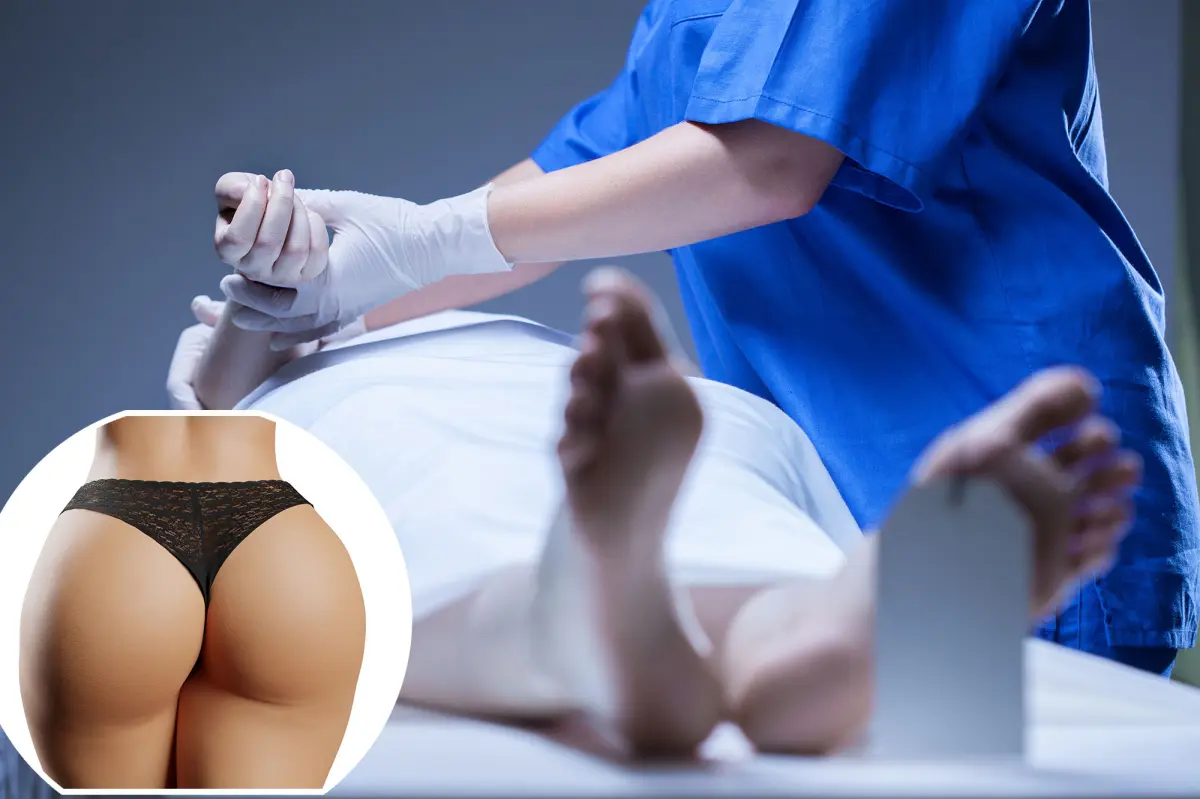
In a striking trend across the United States, an increasing number of patients are opting for a novel approach to body enhancement: injectable fillers made from donated fat harvested from deceased donors. This innovative procedure allows individuals to lift, plump, and sculpt various body areas, including popular treatments like Brazilian butt lifts (BBLs) and breast enhancements. The appeal is particularly strong for patients who lack sufficient natural fat reserves for traditional fat transfer procedures. As Dr. Melissa Doft, a Manhattan-based board-certified plastic surgeon, explained, “Many of us in New York City are very excited about this, particularly because our patients are sometimes very thin or maybe have already had liposuction.” This “off-the-shelf fat” solution provides an alternative for those who would otherwise be poor candidates for procedures that typically require harvesting a patient’s own fat through liposuction before reinjection.
The product leading this movement, AlloClae, was introduced to the American market last year but remains relatively exclusive. Dr. Sachin M. Shridharani, who incorporates the procedure at his Manhattan clinic Luxurgery, estimates that “less than probably 5% of board certified plastic surgeons have it.” Despite limited availability, demand has been overwhelming, with Dr. Shridharani reporting that his practice has “run out of product” multiple times after performing over 50 procedures in the past year. AlloClae’s composition consists of sterile fat obtained from cadavers, administered through minimally invasive in-office injections by qualified providers without requiring general anesthesia. The processing is rigorous—donor fat undergoes extensive cleansing, sterilization, and purification to remove cellular debris, DNA, and other elements that might trigger adverse immune responses. Importantly, Caro Van Hove, president of Tiger Aesthetics (the company behind AlloClae), emphasized that “all our tissue is consented to for aesthetic use,” meaning donors specifically agreed to this application rather than scientific or medical research.
The sophisticated processing of AlloClae preserves the tissue’s essential structural components, creating a bioactive filler designed to provide enduring volume wherever fat naturally exists in the body. Dr. Stephen T. Greenberg, a New York plastic surgeon, highlighted an additional benefit: “It actually helps the patient’s own collagen to grow in as well.” This makes the product particularly valuable for patients without sufficient natural fat for procedures like Brazilian butt lifts or for those seeking buttock augmentation without using their own fat reserves. At Dr. Shridharani’s practice, the strongest demand has been for AlloClae injections in the buttocks, breasts, and hips. The treatment has also become popular for correcting previous cosmetic procedures gone wrong: “We are also getting a lot of patients coming to us that have had, unfortunately, poorly done liposuction with tons of contour regularities that need fat grafting back in because of grooves, contour irregularities over-resection,” Dr. Shridharani noted.
While the concept of using cadaver donor fat initially raises concerns for some patients, Dr. Shridharani finds that transparency typically resolves these anxieties. He explains to patients that “It’s tissue that’s been gifted in kind, and it’s no different from situations where a patient needs additional cartilage but doesn’t want to undergo a rib graft and the scarring that comes with harvesting their own tissue—in those cases, we use cadaver cartilage grafts.” This contextualizing approach “pretty much alleviates most people’s concerns.” These procedures come with a premium price tag, typically starting at $10,000, with costs increasing based on treatment scope. More extensive work involving “hundreds and hundreds and hundreds of cc’s of AlloClae” for multiple body areas “can cost tens of thousands of dollars,” according to Dr. Shridharani. From a regulatory perspective, AlloClae occupies a unique position—while FDA-compliant, it’s classified as a human cell and tissue product, allowing it to be marketed without the full approval process required for traditional injectables like Botox.
Initial evidence suggests that AlloClae injections are both safe and effective. The product’s composition from processed human fat makes it highly biocompatible according to practitioners. One 61-year-old woman who received an AlloClae BBL reported remarkable results: “The enhancement is so absolutely natural, it looks like my body with the impact of time erased. Plus, it’s not just that the area that looks fuller, but my skin looks tauter and is no longer crepey.” The appeal extends beyond female patients—men are increasingly turning to AlloClae for procedures like pectoral enhancement without implants or surgery. Dr. Douglas S. Steinbrech, a plastic surgeon specializing in male aesthetics, describes how AlloClae “creates an insta-chest where you do not need general anesthesia, you do not need to have a long post-op, you can do it and virtually go back to the office, just like you would do with filler in the face.” The product is also being marketed as a solution for volume loss resulting from popular weight loss drugs, with Dr. Shridharani promoting it for patients using GLP-1 medications like Mounjaro, tirzepatide, and Zepbound who want to restore contours to areas like hips, buttocks, and breasts.
Despite the growing enthusiasm, AlloClae isn’t without potential risks. Patients may experience temporary side effects including swelling, bruising, bleeding, and pain at injection sites. Rarer complications can include small lumps, asymmetry, oil cysts, infections, and allergic reactions. Dr. Shridharani expresses concern about the rush of providers wanting to offer AlloClae treatments without proper expertise: “A lot of people are coming out of the woodwork wanting to not get left behind with using AlloClae, but they aren’t necessarily clinicians that know how to perform a surgical fat graft correctly on the body or on the breast.” He emphasizes the seriousness of the procedure, reminding potential patients that “this is surgery at the end of the day,” and stressing the importance of choosing providers experienced in surgical fat grafting to ensure both safety and optimal results. As this innovative approach to body enhancement continues to gain traction, the emphasis on qualified practitioners becomes increasingly critical to the technology’s long-term success and patient satisfaction.