


The Joy and Challenge of Holiday Magic: Parents and the Gift-Giving Experience
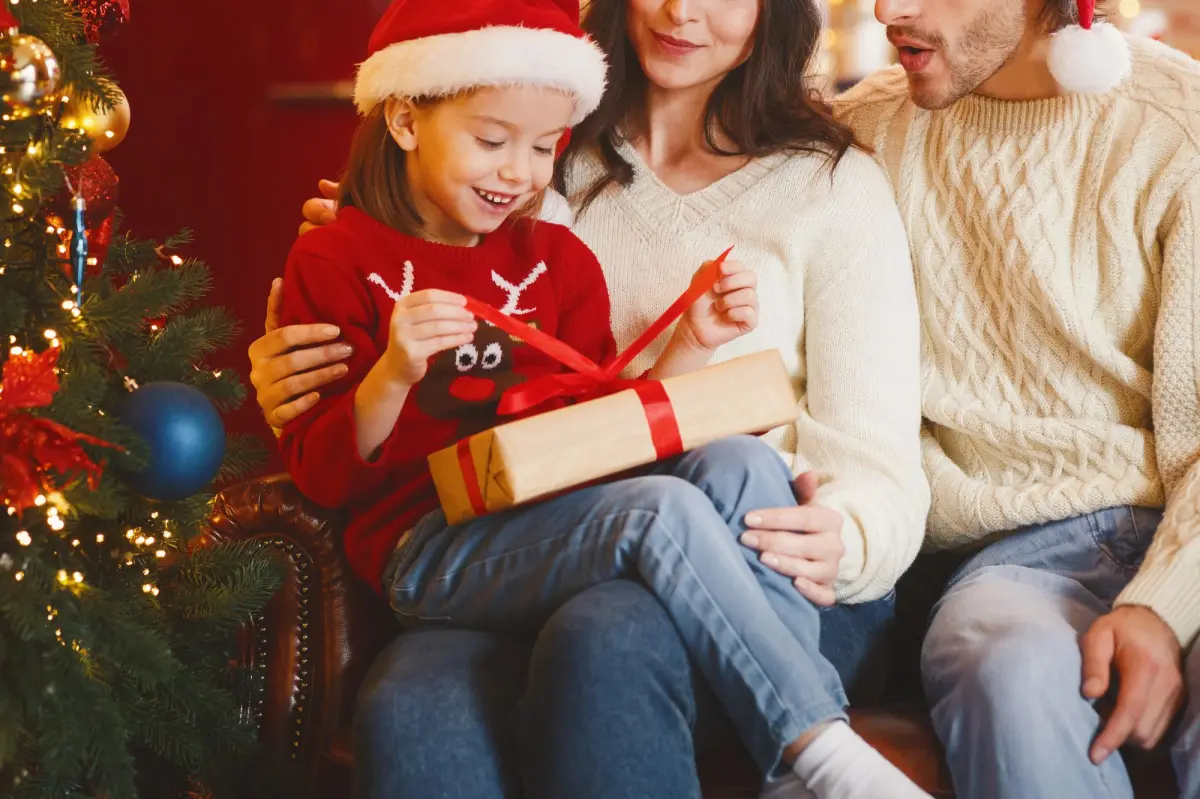
For many millennial parents, the holiday season brings a unique blend of excitement and strategic planning. A recent survey of 2,000 American parents revealed that 55% get just as thrilled as their children about unwrapping gifts, showing that the magic of the season isn’t lost on adults. This shared enthusiasm creates a special bond between generations, as parents relive their own childhood excitement through their children’s eyes. The holiday morning ritual of opening presents together has become a cherished tradition, with an overwhelming 98% of parents saying they love this chaotic but joyful experience. In these precious moments, nearly half of parents let their morning coffee go cold, many miss phone calls and texts, and more than a third immediately stop everything to assemble newly opened toys – all signs of their complete immersion in their children’s happiness.
The lead-up to the big day, however, presents its own set of challenges. According to the Lowe’s-commissioned study, children ask about their gifts an average of 51 times during the holiday season – a testament to their growing anticipation and curiosity. This persistent questioning has led 56% of parents to invoke holiday figures like Santa Claus or Jack Frost as deterrents against present-hunting expeditions. The data also reveals that parents use gifts as bargaining chips approximately 39 times during the holiday months, turning wrapped presents into powerful tools for encouraging good behavior. “Just remember, Santa is watching” becomes not just a seasonal saying but a practical parenting strategy as December progresses. This delicate balance of maintaining mystery while managing expectations has become an art form for many parents.
Creative gift-hiding has evolved into an elaborate ritual for modern parents. Two-thirds disguise presents as something else entirely, while 34% even plant decoy gifts to mislead particularly determined young detectives. Parents’ hiding locations range from the conventional – closets (56%), bedrooms (54%), and cars (26%) – to the inventive – inside appliances (8%) or even temporarily in the trash (4%). Some parents take extreme measures, concealing gifts in basement crawl spaces, behind hanging artwork, within cereal boxes, among dirty laundry, or even in the family doghouse. These elaborate schemes reflect parents’ dedication to preserving the element of surprise, even as they navigate increasingly cramped living spaces and the challenge of hiding larger gifts. The lengths to which parents go demonstrate how central the element of surprise remains to the holiday experience, with many seeing the maintenance of this magic as an essential part of creating meaningful childhood memories.
Ironically, these sophisticated hiding techniques sometimes backfire on the parents themselves. The survey found that 55% have forgotten where they’ve hidden gifts, only discovering them after the holidays have passed. Even more concerning, 29% have had to repurchase presents that were hidden too well or misplaced entirely. These statistics highlight an unintended consequence of elaborate gift concealment – the financial and emotional cost when parents outsmart themselves. Many have turned to using digital notes, reminder apps, or creating detailed maps of hiding locations to avoid these holiday mishaps. Despite these occasional setbacks, parents report feeling excitement (62%), joy (44%), and nostalgia (39%) when successfully keeping their holiday secrets, suggesting that the elaborate game of hide-and-seek is worth the effort and occasional frustration.
What makes this annual ritual so important? The survey offers insights into what children most look forward to during the holiday season. While gifts predictably top the list at 81%, other significant elements include holiday lights and decorations (72%), seasonal foods and treats (67%), winter break from school (66%), and holiday entertainment (62%). Family traditions (60%) rank notably high, demonstrating that children value the rituals and repeated experiences almost as much as the material gifts themselves. These statistics suggest that while present-opening may be the centerpiece, it’s part of a broader tapestry of seasonal experiences that create lasting memories. Parents’ efforts to maintain gift secrecy contribute to this larger picture of holiday magic that encompasses special foods, festive environments, family gatherings, and time-honored traditions.
In many ways, the modern holiday gift experience reflects both continuity with the past and adaptation to present circumstances. Today’s parents are drawing from their own childhood memories while creating new traditions that fit contemporary family life. The digital age has transformed how gifts are purchased and tracked, but the fundamental desire to create moments of surprise and delight remains unchanged. As families navigate busy schedules, diverse living situations, and the influence of social media on children’s expectations, the humble wrapped gift retains its power as a symbol of love and thoughtfulness. When parents go to extraordinary lengths to hide presents, endure dozens of eager questions, or use gifts as occasional bargaining tools, they’re participating in a time-honored tradition of making the holiday season magical for the next generation – even if it means occasionally searching for missing presents in January or drinking cold coffee on Christmas morning.