



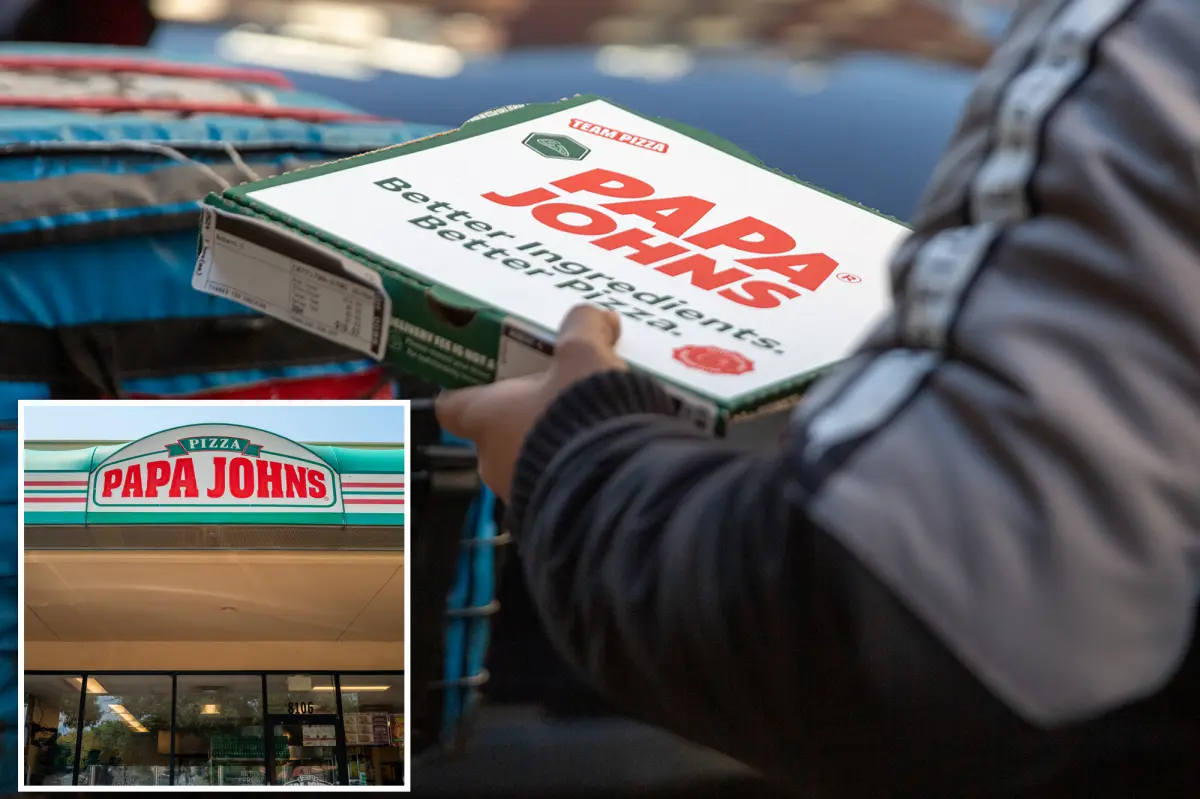
Papa John’s, the iconic pizza chain that has delivered cheesy delights and pepperoni pleasures to millions across North America, announced a tough but necessary decision last week: they’re planning to close hundreds of underperforming restaurants by the end of next year. Imagine those familiar red signs dotting suburban strip malls or downtown corners, places where families have gathered for game nights, birthdays, and late-night cravings. But not all of them are thriving in today’s competitive food landscape, where online delivery apps, health trends, and economic pressures are reshaping how we eat out. Ravi Thanawala, the company’s Chief Financial Officer, laid it out plainly during their fourth-quarter earnings call—a strategic move to cull about 300 spots that aren’t meeting the brand’s high standards or showing a clear way forward financially. It’s a bittersweet moment for a company born in 1984 with just one Kentucky pizza shop, evolving into a global empire. Franchise owners, many of whom poured their savings and dreams into these locations, might feel the sting, but Thanawala emphasized that this isn’t about abandonment; it’s about survival and strengthening the overall system. Picture a gardener pruning overgrown branches to help the tree flourish: by focusing resources elsewhere, Papa John’s aims to energize their fleet, ensuring that the best stores can shine brighter and deliver even more joy to loyal customers.
Diving deeper into the specifics, these closures target primarily franchise-owned venues that are over a decade old and struggling with annual unit volumes (AUVs) below $600,000. What does that mean in everyday terms? These aren’t the bustling metro locations where lines form out the door during peak hours, but often smaller, neighborhood spots where foot traffic has dwindled due to shifting commuter patterns or competition from quick-service alternatives. Thanawala noted that many of these can be offset by redirecting sales to nearby eateries, keeping the local options alive without sacrificing community access to that signature garlic-garlic sauce and fresh ingredients. By year’s end, most of these 300 shutters will happen, with around 200 slated for 2025 alone. It’s a phased approach, giving stakeholders time to adapt—think of it as a careful renovation rather than a demolition. For franchisees, this could mean emotional farewells to places that became second homes, where stories of first dates or family milestones were shared over slices. Yet, the strategy promises to uplift the chain, potentially boosting average sales per store and allowing operators to invest in upgrades like digital ordering systems or menu innovations that resonate with younger crowds obsessed with customizable toppings and plant-based options.
“We believe these closures will further strengthen the system,” Thanawala explained in the call, projecting an AUV increase of at least 3%—translating to thousands more dollars in revenue per location. This isn’t just corporate jargon; it’s a vision for healthier operations where franchisees can reallocate teams and budgets toward excellence rather than firefighting losses. Consider a small-town Papa John’s owner who has juggled thin margins for years—now, they might close that old storefront and channel efforts into a retooled space nearby, complete with drive-thru efficiencies or partnerships with local grocers. Thanawala’s words highlight the broader narrative of resilience: most of the global network performs admirably, delivering solid returns for owners. These strategic cutbacks are positioned as game-changers for profitability, much like a sports team benching underperformers to elevate the roster. In a world where every penny counts, such moves ensure Papa John’s doesn’t just survive but thrives, offering better experiences for everyone from busy parents ordering online to college students craving deals. It’s a reminder that in the fast-paced pizza industry, adaptability is key—just as delivery times have shrunk from 30 minutes to apps notifying your arrival before you even get there.
Despite these forward-looking plans, Papa John’s fourth-quarter performance reflected the wider economic challenges, with a 5.4% dip in same-store sales—a clear echo of consumer fatigue and a hyper-promotional market where discounts are the norm to draw in diners. CEO Todd Penegor attributed this to a “weak consumer backdrop,” where rising living costs mean families are clipping coupons or choosing cheaper eats over splurges. This downturn paints a human picture of the struggles faced by everyday customers, many of whom have traded lavish outings for budget-friendly dinners at home. Yet, amid the gloom, progress shines through: in fiscal 2025, the chain opened 96 new locations, expanding its reach into untapped markets and testing innovations like delivery drones or AI-powered ordering kiosks. With 3,523 North American restaurants as of the quarter’s end, Papa John’s isn’t shrinking—it’s refining. Franchisees who’ve weathered storms like supply chain disruptions from the pandemic understand this ebb and flow, often sharing stories at industry events of how a creative special, like limited-edition stuffed crusts, turned around slow nights. Bottom line: while declines sting, they’re not defeats; they’re data points guiding smarter growth in an industry that must constantly evolve to satisfy cravings for variety, speed, and value.
The news of Papa John’s closures isn’t isolated; it mirrors trends across the quick-service sector, where chains are re-evaluating footprints in response to shifting tastes and economic realities. Take Pizza Hut, their rival under Yum! Brands, which recently unveiled plans to shut down 250 U.S. locations by June—targeting weaker spots as part of a modernization push. Chief Financial Officer Ranjith Roy spoke during their earnings call about transforming the brand, much like a tech company phasing out outdated models for sleek upgrades. This parallel underscores a broader strategy in pizza land: pruning to grow. For instance, both chains are prioritizing urban hubs with high footfall and diversifying into tech integrations, such as chatbot ordering or sustainability-focused sourcing of ingredients. As a consumer, you might notice this in your neighborhood—a shuttered spot replaced by a revitalized one with eco-friendly packaging or loyalty apps rewarding repeat visits. It humanizes the industry, showing how corporate decisions ripple into daily life, affecting the job market for aspiring cooks or the convenience of lunchtime deliveries. Yet, it’s also a testament to innovation: without these changes, beloved pizza empires risk fading like relics of the 90s dial-up era.
In wrapping up this story of adaptation and reinvention, Papa John’s move to close hundreds of underperforming North American restaurants by 2026 represents a pivotal chapter for the pizza giant. It’s a proactive stance in an unpredictable landscape, where economic headwinds and consumer shifts demand agile responses. While closures bring heartache for loyal patrons and dedicated franchisees, the projected benefits—like higher sales volumes and healthier operations—point toward a brighter horizon. As Thanawala noted, these actions are among the most impactful for boosting profitability and fleet vitality, ensuring that Papa John’s remains a staple for those slice-seeking moments. Compared to Pizza Hut’s similar efforts, it signals a maturing industry prioritizing quality over quantity, blending tradition with trends like digital menus and diverse offerings. For the millions who’ve ordered Papa John’s over the years—perhaps craving that extra cheese and barbecue chicken—this is not an end, but a fresh start. It invites us to ponder the human side: the dreams invested in small businesses, the communities tied to neighborhood eateries, and the enduring allure of perfectly baked pizza. As the chain marches toward 2026, stakeholders and fans alike can look forward to a more resilient brand, ready to serve up success one delicious pie at a time. In the grand tapestry of American dining, Papa John’s reminds us that even giants must prune to flourish, keeping the spirit of indulgence alive for generations to come.
Reflecting on the implications, such strategic closures highlight the evolving dynamics of the fast-casual dining world, where adaptability is paramount in an age of instant gratification and budget consciousness. For franchisees, reallocating resources could mean embracing new technologies, such as advanced point-of-sale systems that streamline operations and personalize customer experiences—like remembering a family’s favorite toppings via app data. This human-centric approach not only boosts efficiency but also fosters loyalty, turning one-time buyers into lifelong advocates. Imagine a veteran owner transforming a rocky tenure into a success story by focusing on specialty items that reflect local tastes, whether that’s spicy buffalo wings in Texas or vegan options in California. Economically, these moves align with broader trends, where chains consolidate to weather inflation and labor shortages, ultimately stabilizing jobs in the long run. Customers, too, benefit from fresher, more innovative spots that incorporate feedback from social media raves or online reviews—perhaps a revamped location with play areas for kids or partnerships with local farms for organic ingredients. Papa John’s leadership, under Penegor and Thanawala, embodies this forward-thinking ethos, balancing hard data with empathetic awareness of the people behind the brand. As the industry benchmarks against rivals like Pizza Hut, it underscores that in pizza as in life, sometimes letting go of the old paves the way for new beginnings. This narrative isn’t just about closings; it’s a celebration of resilience, inviting us to appreciate the ingenuity required to keep America’s favorite delivery service alive and kicking in a changing world.
Ultimately, Papa John’s closures serve as a poignant reminder of the interplay between business strategy and human experience, weaving together ambition, challenge, and hope. By targeting underperforming spots—often those aged, exchange hard-earned efforts of operators who’ve built reputations on consistency—this initiative seeks to elevate the entire network. Thanawala’s optimistic outlook, with promises of improved AUVs and franchisee well-being, speaks to a commitment to shared prosperity, where corporate gains don’t overshadow individual stories. For pizza lovers, this means potentially wealthier experiences at surviving locations, perhaps with enhanced delivery speeds or exclusive promotions. And in a broader sense, it prompts reflection on how the food industry mirrors societal shifts: from post-pandemic recovery to embracing sustainability. As Papa John’s navigates this transition, paralleling efforts by Pizza Hut, it reinforces the idea that adaptation isn’t just survival—it’s growth. In the end, every closed door opens windows to innovation, ensuring that the aroma of baking dough and the joy of a shared meal continue to define what makes this brand a cherished part of countless lives. Through it all, Papa John’s story transcends mere business; it’s a testament to the enduring power of reinvention, one slice at a time.