


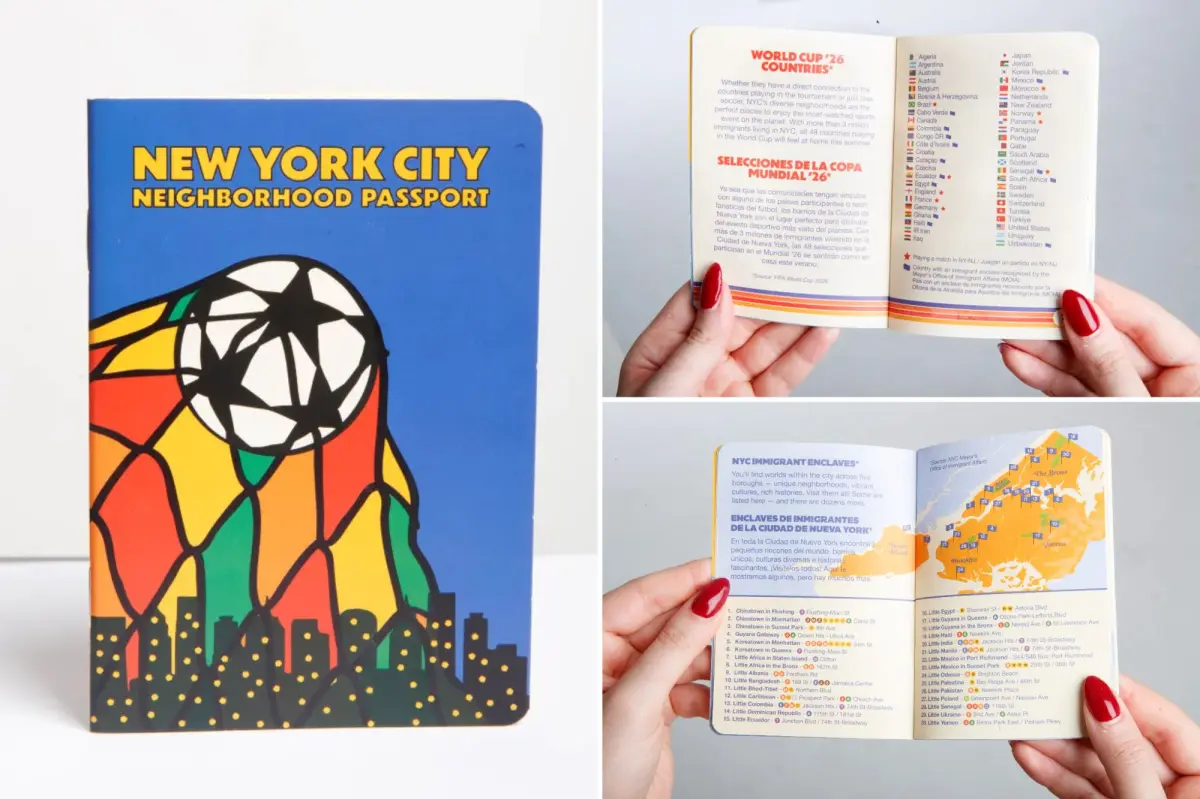
This summer, an unexpected and vibrant phenomenon has overtaken the bustling streets of New York City, transforming the soaring heat of the concrete jungle into the backdrop for a massive, city-wide adventure. Longtime residents, who pride themselves on having seen it all, are joining forces with curious tourists in a frantic, joyous race across the five boroughs. The object of their affection is not a trending dessert or a limited-edition fashion drop, but rather a small, pocket-sized blue booklet known as the “NYC Neighborhood Passport.” Launched as part of the city’s early celebrations for the upcoming 2026 FIFA World Cup, this free initiative has effectively turned Gotham into one giant, real-life scavenger hunt. From the quiet reading rooms of the New York Public Library to the vibrant, sun-drenched street festivals of the outer boroughs, thousands of adventurous spirits are documenting their quests on social media as they attempt to track down twelve elusive, hand-designed stamps hidden throughout the city. What started as a modest cultural campaign on June 11, just a day before the soccer pre-festivities kicked off, has quickly spiraled into a beloved summer obsession, leaving library branches scrambling to replenish their rapidly dwindling stocks of the highly coveted passports.
Styled with meticulous care to mirror a classic, official United States passport, this thirty-two-page booklet is far more than a novelty souvenir; it is a beautifully designed manifesto that invites New Yorkers to re-examine the very geography of their home. From its opening pages, the passport sets a profoundly welcoming and humanistic tone, reminding holders that every single country scheduled to compete in the upcoming World Cup already has a deeply rooted, vibrant home within the immigrant communities that have built New York City for generations. The booklet serves as a gateway to exploring the incredible cultural abundance found throughout the city’s more than three hundred distinct neighborhoods. By framing the global sporting event through the lens of local community, the passport nudges residents to step outside their geographic comfort zones and explore the rich traditions, unique foreign languages, and incredible culinary landscapes of famed immigrant enclaves. Whether it is walking through the aromatic, spice-laden streets of Little India, navigating the bustling markets of Little Colombia in Queens, or experiencing the rhythmic, energetic pulse of Little Senegal in Harlem, the passport redefines the act of travel by proving that a journey around the globe requires nothing more than a loaded MetroCard and an open mind.
To collect the elusive stamps, participants must navigate a sprawling directory of more than sixty participating locations scattered across the city, creating an itinerary that beautifully balances world-famous institutions with hidden, neighborhood-anchored treasures. While some of the stamp-dispensing venues are legendary landmarks that need no introduction—such as the historic stages of Carnegie Hall, the grand halls of the American Museum of Natural History, or the subterranean wonders of the New York Transit Museum—others introduce explorers to lesser-known cultural institutions that form the quiet backbone of the city’s diverse heritage. Searchers find themselves traveling to the Lewis Latimer House Museum in Flushing to honor black scientific genius, exploring the cutting-edge creative workspaces of the Bronx River Art Center, wandering through the preserved, pastoral history of Historic Richmond Town in Staten Island, or soaking in the community warmth of Little Caribbean NYC. By driving foot traffic to these local neighborhood sanctuaries, the passport initiative acts as an unconventional guidebook, successfully democratizing city tourism and redirecting the curiosity of the public toward historic, overlooked corners of the metropolis that deserve to be celebrated.
The actual physical stamps have become an artistic phenomenon in their own right, elevating the scavenger hunt from a simple game into a highly personal, aesthetic journey. Rather than using generic, mass-produced ink stamps, the city partnered with a diverse roster of local New York City artists, each drawing deeply from their own ancestral roots in nations spanning the globe, including Ukraine, Argentina, Peru, Ghana, Nigeria, Ethiopia, Poland, Nicaragua, and India. Each stamp is a miniature work of art, representing a unique cultural narrative that is randomly distributed among the participating venues, meaning that participants never quite know which artistic treasure they will uncover when they hand their booklet over the counter. This touch of mystery adds a thrilling element of surprise to every stop, transforming a routine visit to a library or museum into an exciting revelation. Furthermore, the booklet is built for active reflection, dedicate-designed with journal pages in every borough section that prompt participants to record the names of the people they met, the sights they saw, the foods they tasted, and the valuable lessons they learned along the way, turning each individual passport into a treasured, hand-written archive of human connection.
This tangible, offline adventure has sparked an incredibly lively digital community online, with social media creators bringing the journey of the passport to life through short-form videos and shared maps. On TikTok, creators like Debbie, posting under her artistic handle @daaliart, share the tactile joy of stamping their books, while others, like @its_mabster, candidly discuss how the challenge has pushed them out of their domestic comfort zones, inspiring them to explore neighborhoods they had never previously visited. The intergenerational appeal of the passport shines through in posts by creators like Andrea, who turned the quest into a beloved family ritual, securing booklets for her husband and young son as the ultimate screen-free summer activity. Meanwhile, creators like @thatsannaadventure have documented whirlwind, single-day challenges, charting their efforts to collect eight stamps in a single day before turning to their online communities for tips on where to find the final, elusive four. This dynamic intersection of the digital and physical worlds has fostered a lovely, supportive network of modern-day explorers, with strangers online traded tips on library hours, stamp locations, and neighboring food spots, effectively rebuilding a sense of urban neighborliness.
Ultimately, the NYC Neighborhood Passport represents a beautiful, creative triumph that transcends the sport of soccer, offering an accessible, low-barrier entry point into global culture. Even for those New Yorkers who cannot explain the basic rules of the game, the passport serves as an engaging, friendly introduction to the sport, prompting library visitors to check out books on World Cup history and the diverse nations represented in the tournament. By highlighting countries that either boast recognized immigrant enclaves in New York or will be playing matches locally, the booklet celebrates the beautiful truth that with more than three million foreign-born residents calling NYC home, all forty-eight participating World Cup nations will feel completely at home here. Long after the final matches are played and the stadiums grow quiet, the true legacy of this summer adventure will remain in the memories of the people who participated: the bridges crossed, the new foods tasted, the local businesses supported, and the realization that the wonderful, vast world we live in is not a distant land across the ocean, but a welcoming neighborhood just a few subway stops away.