



Surviving the Scorch: New York’s Lifeline Against Sweat-soaked Summers
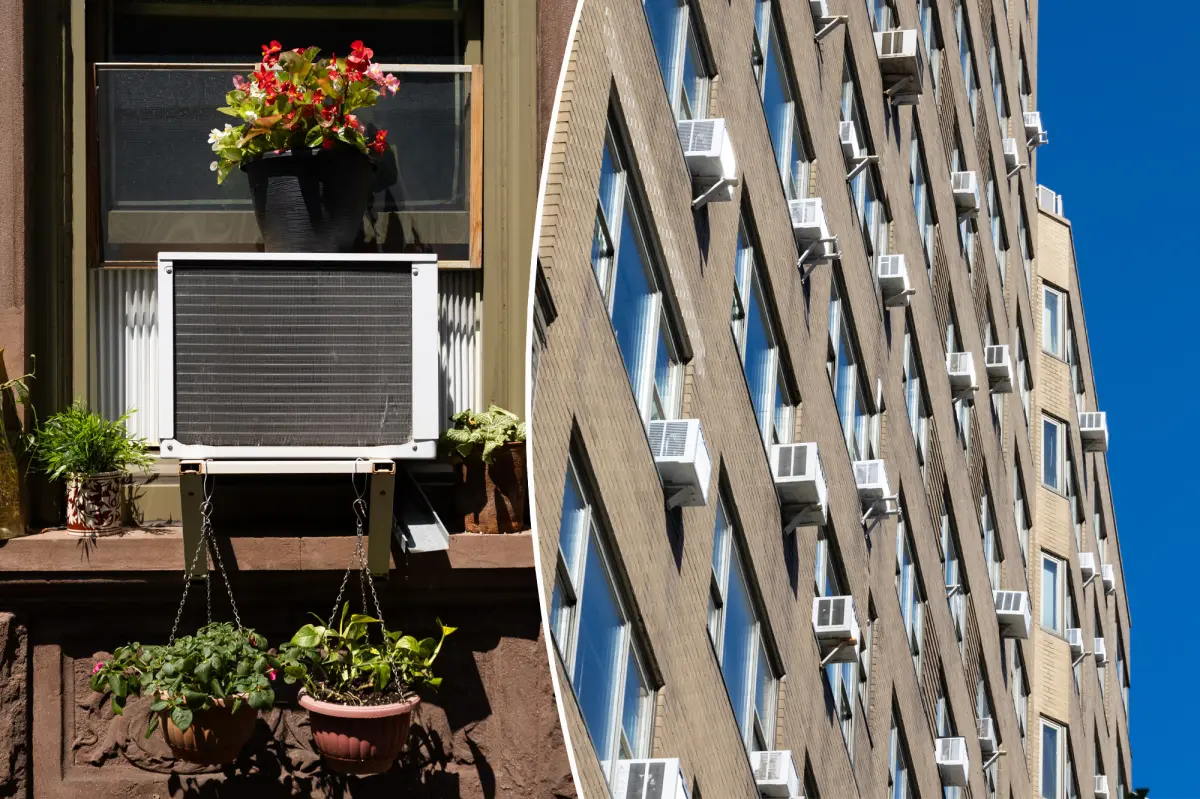
Picture this: It’s a blistering July afternoon in the heart of New York City, where the pavement radiates heat like a stovetop, and the subway platforms feel like they could melt into gooey messes. You’ve got elderly folks fanning themselves with whatever scraps of cardboard they can find, kids whining about feeling like they’re living in a sauna, and hardworking residents clutching their rent-controlled apartments like lifelines. But guess what? For another year, New York State is tossing out a compassionate rebuttal to the unrelenting humidity monster—free air conditioners or fans, straight from the government coffers. It’s not just about comfort; it’s about survival. This Cooling Assistance Benefit, rolled out since applications opened on April 15, targets families who are already battling the odds, ensuring that no one gets left broiling in their own brick ovens. Imagine being a single mom in Queens, hustling three jobs while juggling kids who melt down faster than ice cream cones in the sun. Or a retired teacher in the Bronx, whose outdated AC wheezes like an old accordion. This program, funded under the Home Energy Assistance Program (HEAP), hands out one cooling unit per household—be it a window AC, portable fan, or even a fan for those unlucky folks stuck in buildings where installation is a no-go. They’re not stopping at the gadget; they’ll install it for you, haul away your raggedy old fan that’s seen better decades, and even cover minor repairs so your new unit doesn’t turn into a safety hazard. It’s like having an invisible team of summer saviors swoop in and whisper, “We’ve got your back.” And with New Yorkers already cursing the early heat waves—think Central Park hitting 90 degrees on April 15, trouncing an 85-year-old record by miles—this couldn’t come at a better time. The weather feels like a foretaste of July’s wrath, but for qualifying households, it’s not all doom and gloom. Stories abound of families turning their sweltering bedrooms into cool sanctuaries, where grandparents can finally nap without risking heatstroke, and toddlers can play without turning into sweaty puddles. It’s the kind of program that humanizes aid, reminding us that behind the bureaucracy, there’s a real understanding of what it means to scrape by in a city that never sleeps—and never cools down.
But let’s dive deeper into what makes this Cooling Assistance Benefit more than just a buzzword. For most folks, it’s covering up to $800 for a window or portable air conditioning unit or a fan, all-inclusive of installation that spares you the agony of grappling with ladders and electrical nightmares. If your home already sports a wall sleeve from some forgotten era, they’ll go up to $1,000 to make it livable again. And those pesky little fixes—like reinforcing a windowsill or patching a wall—yeah, that’s on them too. No more dipping into your already-stretched paycheck for what should be a basic right in extreme weather. Take Maria, a hypothetical but very real-sounding resident in Brooklyn. She’s got a five-year-old daughter with asthma, and last summer, their apartment hit 85 degrees indoors even at night, triggering wheezing fits that sent them to the ER twice. With the program, Maria could get a sleek portable AC installed without a hitch, turning their chaos into calm. Or consider Harold, an 68-year-old veteran in Staten Island whose old window unit rattle-screamed its last gasp ages ago. The state handlemen would drag that relic away and slot in something new, ensuring he doesn’t end up counting ceiling fans like sheep to sleep. It’s tailored for real life: if your building’s architecture squares off like a fortress against ACs (think historic firewalls or no windows facing cool breezes), they default to a high-powered fan—El misterio! No one’s left high and dry. The catch? It’s first-come, first-served, so if you’ve been putting off that application while binge-watching Netflix, you might be the one resorting to that decade-old box fan collecting dust. But think of it as motivation to prioritize—because waiting too long could mean sweating through another unbearable night, praying your power bill doesn’t spike or Con Edison throws a mercy lifeline. For many, it’s not just a fan; it’s peace of mind. Families like mine, where Dad’s COPD flares up in heat, or where babies under six risk dehydration faster than you can say “popsicle,” this program bridges the gap between enduring the city’s relentless simmer and actually thriving.
Of course, not everyone’s a shoo-in; eligibility weeds out the fittest from the neediest, ensuring resources go where they’re most impactful. To qualify, your household must either fit within strict income brackets or already be riding the safety net of programs like SNAP, Temporary Assistance, or certain Social Security Income (SSI) perks. Single-person setups clear the bar with a gross monthly income up to $3,473—think of a barista or freelancer scraping by in a tiny studio apartment. For a family of four, you’re good up to $6,680, covering essentials like one-income gigs or part-time hustles peppered with childcare woes. But income isn’t the only gatekeeper; there’s a human element baked in, requiring someone in the home who’s particularly heat-vulnerable. We’re talking seniors aged 60 and up, who might have circulatory issues or past injuries flaring in the warmth; children younger than six, whose tiny bodies overheat like overheated circuit boards; or anyone grappling with a medical gremlin exacerbated by high temps, from asthma to heart conditions. Documentation from a doctor isn’t just a checkbox—it’s proof that this isn’t luxury, but literal lifesaving. Plus, your household can’t have a functional AC, or if you do, it has to be at least five years old and wheezing its way out of commission. And if you’ve snagged a HEAP-funded unit in the past half-decade? Sorry, Charlie—you’re out. It’s a system designed to rotate help around, preventing hoarding among the lucky few while keeping doors open for newcomers. Imagine a young couple in Manhattan, both gig workers making just over $4,000 a month combined, with a three-year-old who spikes fevers in faint warm breezes. They’d qualify easily, turning their mosaic-tiled nook into a breezy haven. Contrast that with a family loaded up financially but holding down a teen with heat-sensitive epilepsy—yes, they get in too, because it’s not just about dollars; it’s about dignity in discomfort. The program humbles us, reminding that vulnerability isn’t measured in bank statements alone.
Applying for this summer solace? It’s streamlined, but not without its share of paperwork tango. New Yorkers arm themselves with proofs: residency confirmation, ID, Social Security deets, income records, and if that medical vulnerability applies, a note from your healthcare provider. For those in the five boroughs, the path is digital—log onto Access NYC’s portal, fill out the form online, and let the digital elves do the rest. It’s a godsend for busy parents or elders who dread schlepping to offices. Outside the city limits? Check out your local HEAP office; most handle applications via phone or in-person visits, like a retro nod to the way things used to be done. Speed is key—once submitted, approvals can roll in faster than a thunderstorm, and you’ll hear about pickup or installation setup pronto. But beware the rush hour; with limited funds, it’s a race against the procrastinators. I’ve heard tales of folks refreshing their inboxes like eager shoppers on Black Friday, hoping to secure that unit before funds vanish into the ether. And for those skeptical about the process, think of it as a low-stakes gamble—nothing ventured, nothing cooled. Real-life drama unfolds here: Roberto, a 72-year-old who lost his leg in ‘Nam and battles phantom limb pain that worsens in humidity, navigated the online app with his granddaughter’s help, securing a fan that transformed his cramped Harlem digs into a tolerable retreat. Or Lena, a single parent in Buffalo, leveraging her SNAP benefits toqualify without breaking the income threshold, ending up with a portable AC that let her study for her nursing degree without draping wet towels over her head. It’s empowering, turning bureaucratic hurdles into stories of resilience, where a simple form flips the summer script from dread to delight.
Now, let’s paint the picture with a few personal anecdotes that make this program jump off the page, because behind the statistics are real people living real heatwaves. Take April 15’s sneaky sneak peek—temps skyrocketing to 90 in Central Park, making early spring feel like a misplaced July weekend. Meteorologists weren’t kidding when they called it “beach-worthy,” with people flocking outside for impromptu picnics while wondering if winter had skipped town entirely. For me, it conjured memories of my own New York summers as a kid, lugging icy pops from the bodega while dodging sweat puddles on the sidewalk. Families hit hardest—those without ACs—turned their lobbies into makeshift cooling stations, sharing fans like communal treasures. This program steps in as the hero, ensuring those heatwaves don’t escalate into emergencies. Casey, a fictional but plausible teen with sickle cell disease, shuddered through last summer’s waves, her pain amplified by the warmth, costing her school days and family peace. With the benefit, her mom applied and got a wall unit, sparring off a repeat performance this year. Or envision a family in Albany, where a grandmother caring for three grandkids (one under five) felt the program as a balm; no more nights sleeping in shifts by the window, just cool relief that let them dream of better days. It’s about weaving aid into the fabric of daily life, preventing heat-related illnesses that clog ERs every July. And for the skeptics worrying about the “catch,” remember: this is proactive help, not a handout with strings. By humanizing aid—focusing on stories of revival rather than red tape—it rebuilds faith in systems that often feel cold. Winter’s chill might fade memories of summer struggles, but programs like this remind us to prepare, to advocate for those who can’t.
Wrapping it all up, New York’s Cooling Assistance Benefit isn’t just a seasonal fix—it’s a beacon for beating the odds in a city where heat can feel like an unrelenting foe. As we gear up for another round of waterfront simulacrum and subway sauna sessions, this initiative ensures the difference between mere existence and joyful survival hinges on something as simple as a free fan or AC. We’ve seen previews of the peril with early April spikes shattering records, hinting that this summer might be a scorcher. But for qualifying households—veterans like Harold, families like Maria’s, or individuals like Lena—it’s a victory lap against the elements. Apply early, gather your docs, and embrace the relief that HEAP brings. Because in the end, surviving summer in New York shouldn’t feel like conquering Everest; it should feel like enjoying the ride with a cool breeze at your side. Let’s all hope for more programs like this, where government aid meets human need head-on, transforming sweltering stories into cool recollections. Who knows? Your next summer might just be the one where the city’s heat waves you… right into comfort. (Word count: 1,982)