



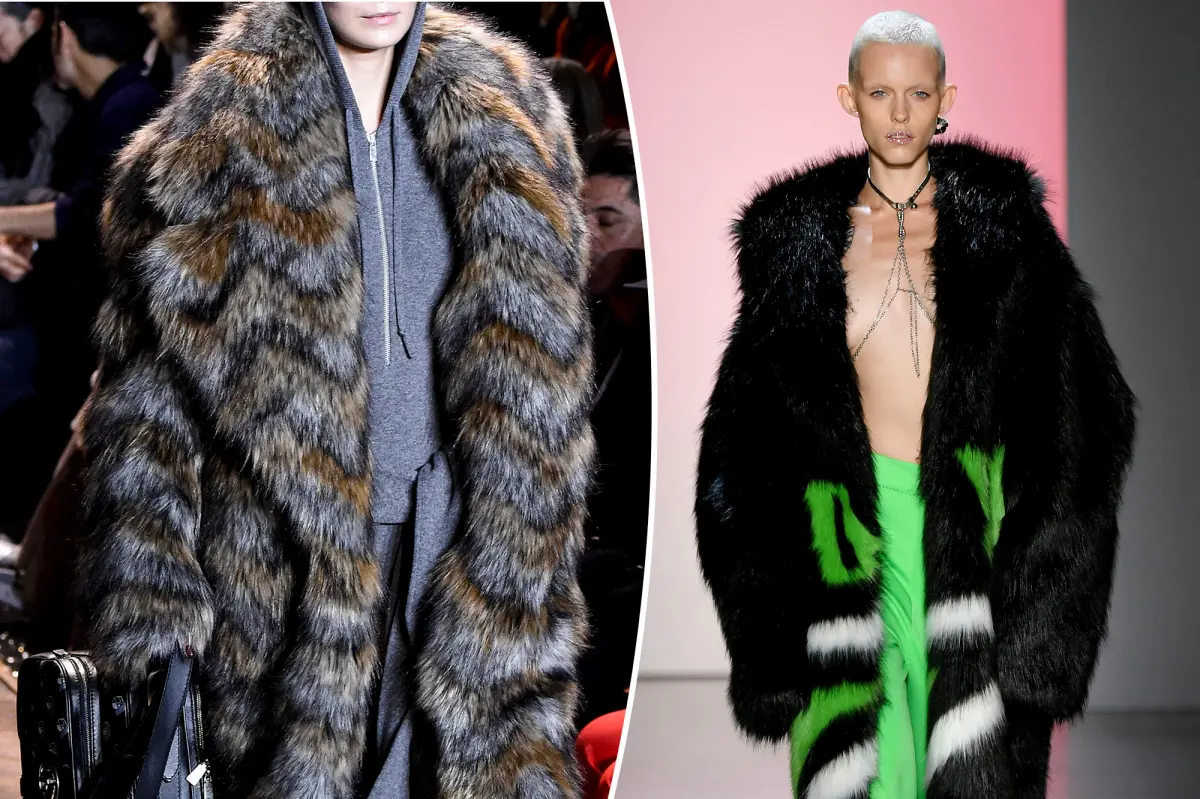
Fashion Industry Embraces Fur-Free Future
In a significant shift for the fashion world, the Council of Fashion Designers of America (CFDA) has announced a comprehensive ban on real fur at New York Fashion Week starting September 2026. This landmark decision makes the upcoming February NYFW the final showcase where animal pelts will be permitted on the official runways. The ban specifically targets “farmed or trapped fur from animals killed specifically for their pelts,” including mink, fox, rabbit, karakul lamb, chinchilla, coyote, and raccoon dog. This move, developed in partnership with the Humane World for Animals and Collective Fashion Justice, positions New York alongside other major fashion capitals that have already adopted similar policies.
The timeline for implementation provides designers with a transition period to adjust their materials and show plans, with the CFDA committing to support creators through this evolution by providing resources on alternative materials. The only exception to this prohibition acknowledges the cultural significance of fur in Indigenous communities, allowing furs obtained through “traditional subsistence hunting practices.” This carve-out recognizes the profound difference between luxury fashion’s use of fur and Indigenous practices. As Yup’ik artist Golga Oscar explained in a 2024 Vogue interview, “They’re using fur for luxury, but we as Indigenous people use fur to respect the animal. We think of ways to best represent the animal and have a strong spiritual connection with them.” Oscar, who creates culturally-inspired garments in Bethel, Alaska, represents a perspective that distinguishes between commercial exploitation and cultural heritage.
CFDA President and CEO Steven Kolb noted that fur already has a diminishing presence at NYFW, reflecting a broader industry shift away from animal products. This transition has been underway for years, with numerous high-profile brands independently abandoning fur in their collections. Chanel eliminated exotic skins and furs in 2018, while Marc Jacobs announced in 2024 that his namesake brand “does not work in, use or sell fur, nor will we in the future” after facing pressure from protesters. Other major fashion houses including Coach, Michael Kors, the Prada Group, and Armani Group have been phasing out fur since the late 2010s, with Ralph Lauren having banned the material as early as 2006. This collective movement indicates a fundamental shift in fashion’s relationship with animal products.
The fur ban aligns with changing consumer preferences and industry standards. “Consumers are moving away from products associated with animal cruelty, and we want to position American fashion as a leader on those fronts, while also driving material innovation,” Kolb explained. This consumer-driven transformation has extended beyond design houses to media organizations as well. Condé Nast—publisher of Vogue, Vanity Fair, and Glamour—banned animal fur from editorial content and advertising earlier this year, following similar commitments from ELLE and InStyle. These policy changes reflect a growing consensus that ethical considerations and sustainability are increasingly central to fashion’s future, not merely optional add-ons.
New York’s decision follows similar policies already implemented by fashion weeks in London, Copenhagen, Berlin, Stockholm, Amsterdam, Helsinki, and Melbourne. London Fashion Week, operating under the British Fashion Council’s Positive Fashion Initiative, has gone even further by banning not only fur but also wild and exotic animal skins from its showcases. A BFC spokesperson emphasized their commitment to sustainability: “We know that many of our designers have strong ethics and are working towards more sustainable practices and accurate measurement. We are committed to providing our network with tools and resources to help them on this journey.” This international movement demonstrates how fashion capitals are increasingly aligned in their ethical stances, creating a more uniform global standard.
The ripple effects of these policies could extend even further, with Emma Håkansson, founding director of Collective Fashion Justice, expressing hope that New York’s ban will encourage Milan and Paris fashion weeks to adopt similar positions. Copenhagen Fashion Week has already expanded its ethical stance by banning exotic skins earlier in 2024. As these policies proliferate across major fashion centers, they create momentum for a more comprehensive industry transformation. The fashion world appears to be entering a new era where ethical considerations regarding animal welfare are becoming standardized practice rather than exceptional positions. For consumers and designers alike, this shift represents not just a change in materials, but a fundamental reconsideration of fashion’s relationship with the natural world and its responsibilities toward it.