





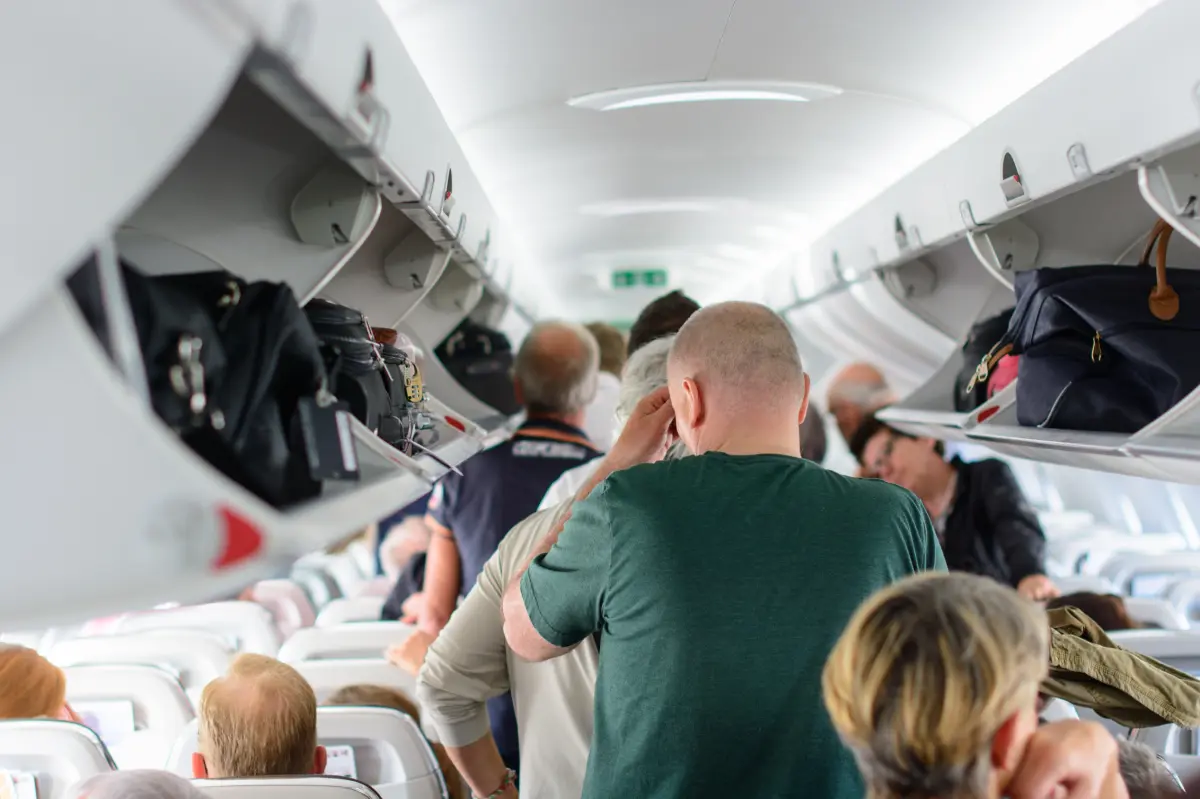
The timeless comedy of air travel usually relies on a shared understanding of its minor miseries, but a recent social media joke by Southwest Airlines didn’t quite achieve lift-off with its audience. In a seemingly lighthearted post on the social media platform Threads, the Dallas-based carrier attempted to mock the classic, instantly recognizable phenomenon of the “aisle jumper”—that eager passenger who leaps out of their seat the absolute millisecond the seatbelt sign chimes off, standing hunched under the overhead bins while the cabin doors remain firmly shut. Using a rhythmic punctuation of eighteen clapping emojis to drive the point home, the brand declared that rushing to stand up won’t actually get you off the aircraft any faster. However, instead of eliciting knowing chuckles from weary road warriors, the post ignited a fiery digital backlash, proving that when it comes to the cramped, high-stress environment of modern aviation, passengers are in no mood to be lectured by the very companies that put them there.
The reaction from the internet was swift, sarcastic, and deeply revealing of the collective anxieties that define contemporary commercial flight. Keyboard warriors quickly hijacked Southwest’s clapping-emoji format to air their own very real, very human grievances, transforming a corporate joke into a public forum on the indignities of travel. Commenters fired back with urgent explanations for their haste, ranging from severe physical discomfort and a fear of tiny onboard restrooms, to the intense, heart-pounding panic of trying to catch a tightly scheduled connecting flight. Others took the opportunity to take aim at the airline industry as a whole, criticizing rising ticket prices and a perceived decline in overall service quality. This defensive pushback highlights a growing disconnect between airlines trying to maintain a playful, friendly brand identity on social media and a consumer base that feels increasingly squeezed—both financially and physically—by the realities of flying today.
This digital skirmish unfurls against a broader backdrop of mounting traveler frustration, where sky-high ticket prices match skyrocketing rates of unruly passenger behavior captured on viral videos. To make matters worse, basic economy seating has shrunk so dramatically over the last decade that sitting in one can feel like a test of physical endurance, drawn in hilarious yet painful comparisons to clinging to the infamous floating wooden door from the movie Titanic. For the average passenger, squeezing into these ever-tightening spaces without paying astronomical fees for upgraded legroom is a recipe for physical stiffness and claustrophobia. Consequently, when the aircraft finally grates to a halt at the gate, the sudden urge to stand up is often less about trying to cut in line and more about a desperate, biological need to stretch cramped muscles, restore blood circulation to numb limbs, and escape the confines of a highly restrictive plastic shell.
Aviation experts and seasoned globetrotters are themselves divided on the unspoken etiquette of the great post-landing scramble, suggesting that the issue is far more nuanced than Southwest’s social media team acknowledged. Industry analysts point out that we must differentiate between two distinct behaviors: standing up to stretch within one’s immediate row space versus aggressive aisle-hogging when you are seated dozens of rows back from the exit. Some travel analysts even argue that standing immediately upon arrival is actually a productive, forward-thinking habit. They suggest that prepping your belongings early and stretching out in advance helps the entire cabin move much faster once the deplaning process officially begins, painting the instant-standers not as impatient nuisances, but as efficient, proactive travelers trying to keep the momentum going for everyone.
On the other side of the cabin aisle, a different faction of travelers views the mad dash to stand up as a breach of basic civil politeness that requires active containment. Some frequent flyers and travel writers confess to playing the role of self-appointed cabin monitors, physically stepping into the aisle to block overeager passengers from pushing past those seated ahead of them. For these passenger-policemen, maintaining a strict, row-by-row exit order is a matter of personal honor and structural fairness. They argue that the chaotic scramble to the front only creates unnecessary bottlenecks and high-altitude anxiety, advocating instead for a patient, methodical departure where everyone waits their turn in a civilized manner, regardless of how desperate they are to breathe non-recirculated terminal air.
Ultimately, Southwest has no official policy prohibiting passengers from standing once the captain deems it safe, leaving the debate to be settled by the court of public opinion and personal space. The online uproar serves as a gentle reminder to corporate brands that humor requires reading the room, especially when that room is a pressurized aluminum tube packed with stressed, exhausted human beings. While the airline wanted to poke fun at an annoying travel quirk, they underestimated how much those cramped seats make people long to simply stand up. Perhaps the best approach to the post-landing ritual lies in a quiet compromise: stretch your legs, stand up to relieve your aching back, but do so with kindness and mindfulness, ensuring you don’t block the path or ruin the journey for the fellow weary travelers sharing your row.