


In a breathtaking triumph for public heritage, Italy has finally unveiled one of the most magnificent and celebrated treasures of ancient Etruscan painting, marking the climax of a decades-long struggle to rescue these vibrant masterpieces from the shadows of private exclusivity. The Ministry of Culture’s acquisition of these invaluable fresco panels from the Francois Tomb—engineered through a monumental $17 million purchase—represents a seismic shift in how the nation preserves and shares its deeply rooted history. For generations, these spectacular artifacts remained locked away within the private vaults of the Torlonias, one of Rome’s oldest and most enigmatic noble families, whose legendary collection of antiquities has historically been kept strictly out of the public eye. Now, by bringing these ancient walls back into the light at the Villa Giulia National Etruscan Museum, the Italian government has not only secured a priceless artistic treasure but has also reestablished a vital connection between modern citizens and the mysterious, long-silenced ancestors who walked the Italian peninsula millennia ago.
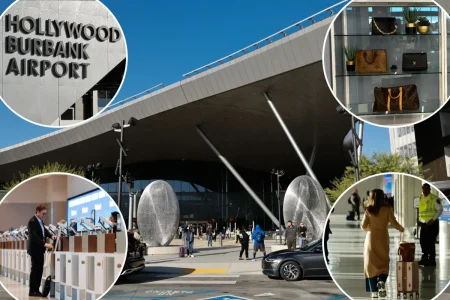
To understand the profound weight of this homecoming, one must journey back to the dramatic moment of the tomb’s rediscovery amidst the wild, wind-swept landscapes of Vulci in 1857. It was there, on vast estates belonging to the aristocratic Torlonia family, that the pioneering French archaeologist Alessandro Francois first broke through the sealed earth to step into a submerged monument of the fourth century BCE. Illuminated by the flickering glow of torchlight, Francois and his contemporaries found themselves staring at walls blanketed in astonishingly vivid, narrative-driven frescoes that had slept in darkness for over two thousand years. However, the ethics of nineteenth-century archaeology were far more deeply aligned with personal prestige and private enrichment than with public preservation. By 1863, the delicate plaster frescoes were systematically peeled and detached from their original stone chambers to be absorbed into the Torlonia family’s private collection, while the remaining treasures of the tomb—such as exquisitely painted vases, delicate bronze vessels, and ornate jewelry—were scattered across the globe, divided up among the excavators, their associates, and wealthy private buyers.
This tragic fragmentation turned the Francois Tomb into a poignant symbol of lost national heritage, sparking a stubborn, century-long crusade by successive Italian governments to bring the monument back into the public domain. The formal battle began in earnest in 1921, a turbulent era when Italy first started establishing rigorous laws designed to halt the rampant looting and private monopolization of its historic treasures that had characterized the preceding century. The loss of the Francois Tomb was particularly painful because the Etruscans themselves remain one of history’s most enigmatic and romanticized peoples. Long before the rise of the Roman Empire, the Etruscan civilization flourished as a great maritime trading powerhouse across central Italy, developing a sophisticated culture rich in art, spirituality, and egalitarian social customs. Tragically, as the military machine of Rome expanded, the Etruscans were systematically conquered, absorbed, and largely erased from the historical record, leaving behind their subterranean cities of the dead—their necropolises—as the single most powerful and evocative record of their existence, their beliefs, and their vibrant lives.
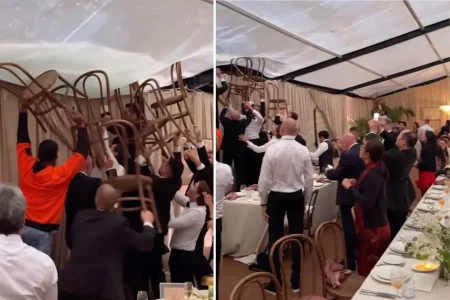
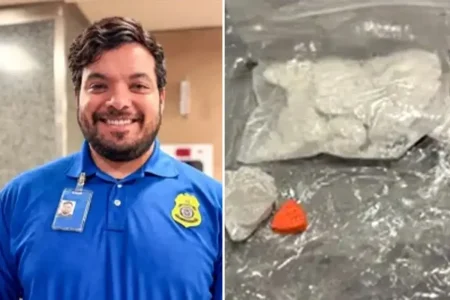
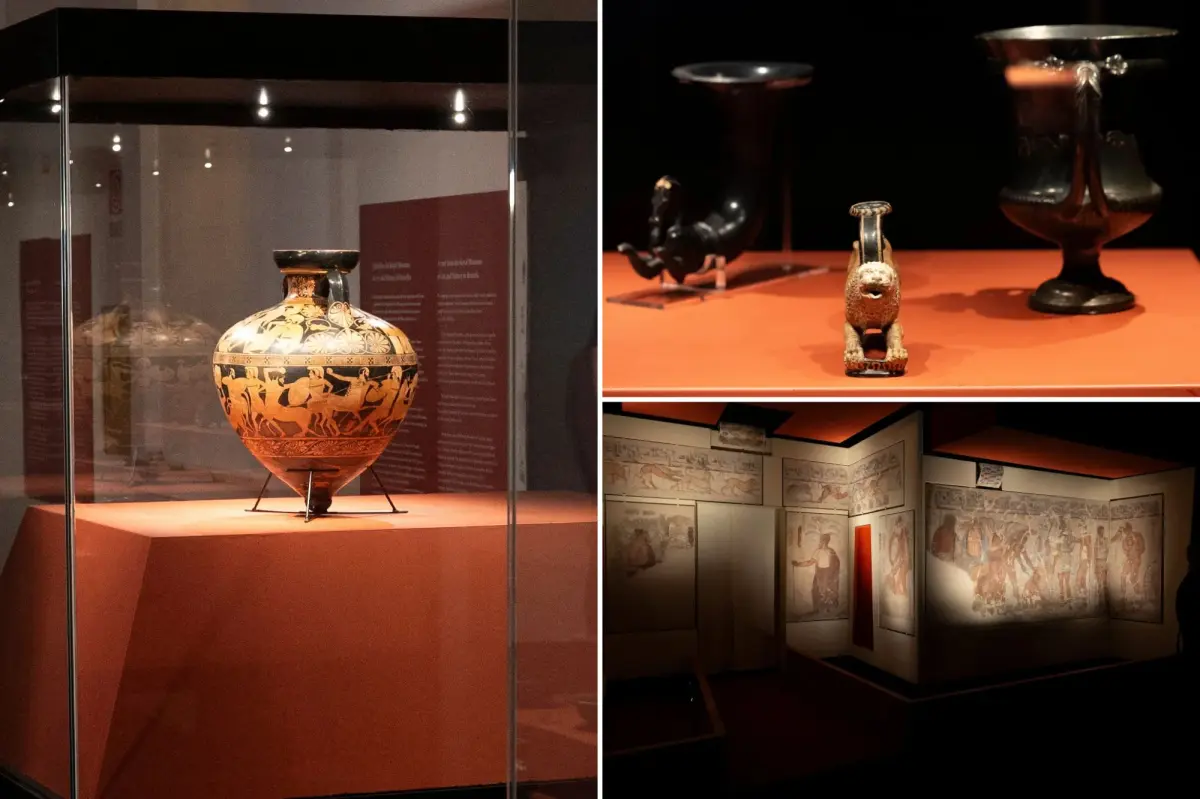
The newly opened exhibition at Villa Giulia in Rome is not merely a static display of ancient paint, but a dynamic, emotionally resonant temple of reconciliation and preservation. Alongside the newly repatriated fresco panels, the museum has successfully engineered a poetic family reunion of sorts, gathering together the original tomb contents that had been scattered across international borders for well over a hundred years. Thanks to collaborative, high-stakes loan agreements with major museums and private collections worldwide, visitors can now view the tomb’s original gold jewelry, intricately decorated vases, and personal artifacts alongside the actual murals they were meant to accompany throughout eternity. This holistic presentation completely transforms the visitor experience, shifting the narrative from a dry viewing of detached, cold artifacts to an immersive, deeply human encounter with an ancient sacred space. It invites modern viewers to contemplate the profound love, grief, and spiritual hope of the ancient Etruscans who carefully placed these luxury items around their departed loved ones, believing that beauty would accompany them into the afterlife.
This spectacular acquisition is the crown jewel in a ambitious, albeit debated, financial strategy orchestrated by Italy’s current Culture Minister, Alessandro Giuli, and Massimo Osanna, the director general of Italian museums. Rather than diluting the state’s limited acquisition budget across hundreds of minor architectural digs and smaller antiquities, the ministry has intentionally pivoted toward securing a select few “big-ticket” masterpieces of legendary historical and cultural status. This bold philosophy has resulted in an extraordinary year of cultural purchasing, featuring the $14.9 million acquisition of Antonello da Messina’s hauntingly expressive masterpiece “Ecce Homo,” as well as a jaw-dropping $35 million purchase of a rare Caravaggio portrait depicting Maffeo Barberini, the influential future Pope Urban VIII. While some architectural preservationists argue that funds should be distributed more evenly to maintain Italy’s crumbling provincial ruins, ministry officials passionately defend this high-stakes approach, arguing that returning such monumental, world-class works to the public domain serves a vital democratic purpose, ensuring that humanity’s shared genius is never again hidden behind the closed doors of private oligarchies.
Ultimately, the true magic of the Francois Tomb lies buried in the raw human passions, political struggles, and mythologies preserved within its ancient pigments. As Luana Toniolo, the director of the Villa Giulia museum, eloquently celebrated, these superbly preserved frescoes act as a “vast book of stone and color,” offering a rare and intimate window into how the Etruscans viewed themselves and the wider Mediterranean world. The murals do not simply mimic the artistic styles of their contemporary neighbors; instead, they display a fascinating blend of cultures, depicting classic Greek myths reinterpreted through a fiercely independent Etruscan lens, alongside violent battles featuring local Etruscan heroes and the somber sacrifice of Trojan prisoners. In the sweeping brushstrokes of rich ochre, deep charcoal, and earthy blue, we see an ancient society wrestling with universal human themes—honor, mortality, family, and the heavy cost of war. By rescuing these panels from aristocratic isolation and returning them to the public, Italy has done far more than acquire a masterpiece; it has restored a voice to a lost civilization, inviting us to look into the painted eyes of the past and recognize our own shared humanity.