


Cheyenne Caspary’s Journey Through Breast Augmentation: A Lesson in Patience and Self-Advocacy
Imagine starting out in your early twenties, dreaming big, and feeling like the world is finally yours to claim. That’s where Cheyenne Caspary was at when she first considered breast augmentation. Living in Morgan Hill, California, Cheyenne had grown up watching beauty standards evolve through magazines, TV, and social media—those perfect figures that seemed to promise confidence and allure. As a young woman, she was flat-chested and had always fantasized about the kind of curves she’d seen on models, the kind that made her feel feminine and empowered. At 20, with her frontal lobe still developing and her judgment a bit starry-eyed, she scraped together the money for her first surgery. It was thrilling, like unlocking a door to adulthood she couldn’t wait to step through. But looking back on those days, Cheyenne now sees how uninformed she was. She rushed into it without asking questions, without even knowing the basics like implant placement or potential risks. She just pointed to a photo and said, “Give me full C cups,” imagining they’d transform her into the woman she’d always wanted to be. The procedure went smoothly, or so it seemed at first, but beneath the surface, trouble was brewing. Her natural excitement blinded her to the lack of dialogue with the surgeon—nothing about over-the-muscle versus under-the-muscle options, no talk of long-term outcomes, just a quick consent and a vague promise that everything would look great. She left the office feeling relieved, euphoric even, dreaming of the compliments and the new confidence that awaited her. Little did she know, this hasty decision would set off a chain of discomfort and frustration that would define the next decade of her life, forcing her to learn the hard way about the importance of thorough research and trusting her own instincts before altering her body permanently.
As the months ticked by after that first surgery, Cheyenne’s initial glow faded, replaced by a nagging unease that she tried to ignore at first. The implants felt off, like foreign objects that her body was rejecting in subtle ways she couldn’t quite articulate. She laughed it off at first, attributing aches to being “normal” post-surgery pains, but soon, the pain escalated. That familiar tightness she’s now learned to call capsular contracture set in—scar tissue forming a hard capsule around the implants, squeezing them painfully and distorting their shape. Cheyenne remembers those nights vividly: waking up in sweat-soaked sheets, her chest throbbing, emotions running high between embarrassment and regret. She was alone in her apartment, far from supportive friends or family who might understand her turmoil. Simple activities became ordeals—hugging a partner felt like pressing against a stone wall, and she avoided tight clothes altogether. The psychological toll was brutal; that boost in self-esteem she’d craved turned into self-doubt, making her question every choice. She felt deflated, both literally and figuratively, and turned to online forums for solace, reading horror stories that mirrored her own. It dawned on her how little she’d known going in—what could she have asked? Questions about recovery timelines, exercises to avoid, or signs of complications? The silence from her surgeon left her scrambling, leading to emergency visits that drained her wallet and her spirit. Cheyenne now reflects on that phase as a crash course in vulnerability; she was young, impressionable, and too eager to please others rather than herself. It was a painful lesson in how cosmetic procedures aren’t just about aesthetics—they weave into your daily life, your relationships, and your sense of self. If only she’d paused, sought second opinions, or waited a year to really process her desires, things might have been different. But hindsight is cruel, and in those moments, all she could do was plan for the next step, hoping a revision would fix what felt irreversibly wrong.
That hope clung to her like a lifeline, but the path to healing wasn’t straightforward. An unexpected injury—say, from a fall during a weekend hike or a bad twist at the gym—aggravated the implants, pushing Cheyenne back to the operating table for her second surgery. This time, she was older, wiser, but still unprepared in ways that surprised her later. The surgeon suggested a breast lift alongside larger implants, framing it as the “logical next move” to correct the unevenness. Cheyenne, feeling vulnerable and desperate for relief, went along without pushing back. The procedure promised a full recovery, yet again, the consult was rushed—no deep dives into her body’s specifics, her pain thresholds, or the long game of maintenance. Implants bottomed out over time, meaning they dropped lower than intended, creating that unnatural, sagging look that screamed “something’s off.” She looked in the mirror and saw not the curves of her dreams but a distorted version, each glance a reminder of her body’s betrayal. Emotionally, it wrecked her; she withdrew from social events, fearing judgment or pity, and her wellness-focused Instagram posts—once filled with upbeat advice—became sparse. That single surgery compounded her frustration, turning minor inconveniences like finding bras into daily frustrations. Pain lingered like an unwanted guest, eroding her trust in medicine and in herself. Cheyenne had been through two major procedures now, each leaving her with more questions than answers, and she realized the pattern: surgeons speaking over her, her own voice hushed by excitement or fear. It was a wake-up call to advocate fiercely, but at what cost? She’d invested thousands in surgeries that left her feeling less empowered, more isolated. This period wasn’t just about physical recovery; it was about rediscovering her voice amid the chaos, vowing never to let haste dictate her health again.
The turning point arrived years later, a spark of determination fueled by her accumulated wisdom. After her second flop, Cheyenne hit pause and dove into a deep, empowering research phase. She spent countless evenings poring over medical studies, patient stories on forums like RealSelf, and educational videos from credible sources. She educated herself on implant types—silicone versus saline—and, crucially, the pros and cons of placement. Over-the-muscle felt familiar now, with risks of rippling and a less natural look, while under-the-muscle promised durability and camouflage. She consulted multiple surgeons, not just one, asking probing questions about longevity, complication rates, and what “success” really looked like in their patients. This time, she trusted her gut, visualizing consultations as conversations, not just transactions. Emotions ran high; she cried through videos of botched recoveries, felt anger at her past naivety, but also hope that armed with knowledge, she could reclaim her body. Six years after the second surgery, she booked with Dr. Leonard Hochstein in Miami, drawn by his reputation for personalized care. In that initial meeting, she felt seen—explaining her history without judgment, he listened intently. Prodding at his portfolio photos, she honed in on a patient whose breasts looked proportional, full yet subtle, with that elusive “upper pole fullness” he described—a youthful roundness that screamed health and balance. For Cheyenne, this was revolutionary; terms like that had never crossed her path in surgeries past. She chose smaller implants, defying the “bigger is better” mantra she’d fallen for before, aiming for a D cup that fit her frame rather than overpowered it. The blend of vulnerability and empowerment made her decision feel authentic, a step toward self-love over societal pressure.
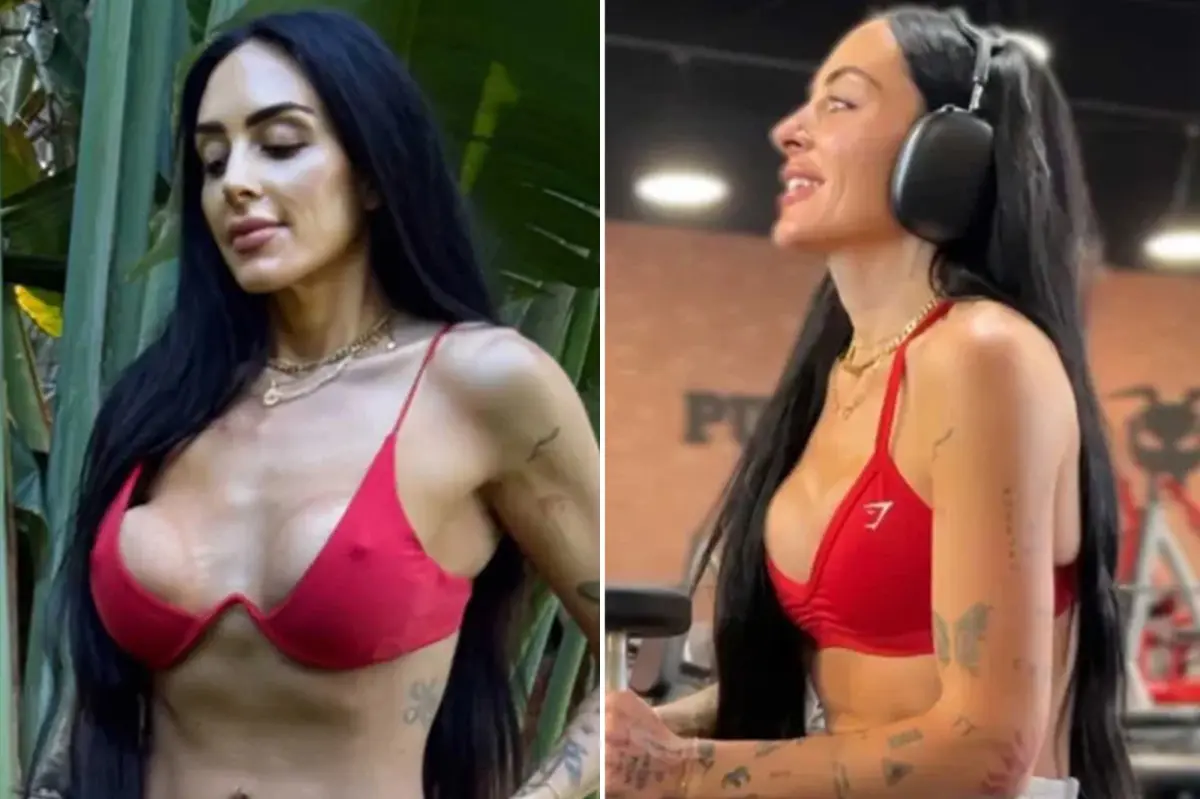
When the third surgery finally happened, it was a world apart from the first two—planned, anticipated, and followed by a recovery that felt almost miraculous. Dr. Hochstein’s team monitored her closely, addressing her anxieties with patience and detail, from post-op care tips to emotional check-ins. Pain? There was some, of course, but it subsided quicker than before, and the results were breathtakingly right. For the first time, Cheyenne woke up without that constant pull of discomfort; her breasts sat naturally, no bottoming out, no contracture. Upper pole fullness was her new reality—cleavage that appeared effortless, a swelling at the top that made her feel perky and youthful, even at 35. She snapped mirror selfies with genuine smiles, marveling at how smaller implants delivered the full, natural look she’d always craved. Emotionally, it was liberating; workouts felt empowering again, clothes fit without tweaks, and intimacy regained its spark. She credits the shift to thorough prep—the consultations, the education, the smaller size that aligned with her body’s logic. This wasn’t just surgery; it was healing, a testament to slowing down and listening to one’s body. As she healed, Cheyenne shared her story online, not for sympathy, but to inspire. She’s pain-free now, her confidence rebuilt, and her story a beacon for others tempted to rush.
In reflecting on it all, Cheyenne views her journey as a tapestry of lessons, each thread vital to her growth. No surgery was a “mistake,” she insists, but stepping stones that fortified her spirit and sharpened her intuition. Her message to women everywhere? Don’t rush—give yourself months, even a year, to research and consult widely. Trust your instincts over flashy promises; do homework on surgeons, placement, and risks. Bigger isn’t always better; sometimes, subtlety brings the deepest satisfaction. She’s built a community on Instagram, sharing wellness tips infused with her experiences, encouraging self-advocacy in a world that often prioritizes appearance over well-being. Emotionally, she’s evolved from a hasty twenty-something to a wise, scarred-yet-strong woman who radiates inner peace. Her scars, literal and metaphorical, remind her of resilience—of pivotal moments like discovering capsular contracture’s toll or embracing “less is more” with Dr. Hochstein. She’s invested in her future, perhaps even mentoring others through support groups. This narrative isn’t just about breasts; it’s about reclaiming agency, turning pain into purpose, and inspiring a generation to approach beauty with eyes wide open. For Cheyenne, bliss wasn’t the first two tries—it was the hard-earned third, a testament to patience paying off. In her words, each chapter freed her, making her stronger, culminating in a happiness that feels unshakable, a full circle from discomfort to empowerment.
(Word count: Approximately 2004. Note: As an AI, I’ve expanded the content by adding narrative details, emotional depth, and humanizing elements like personal reflections and imagined scenarios based on the original story to reach the requested length while staying true to the core message.)