




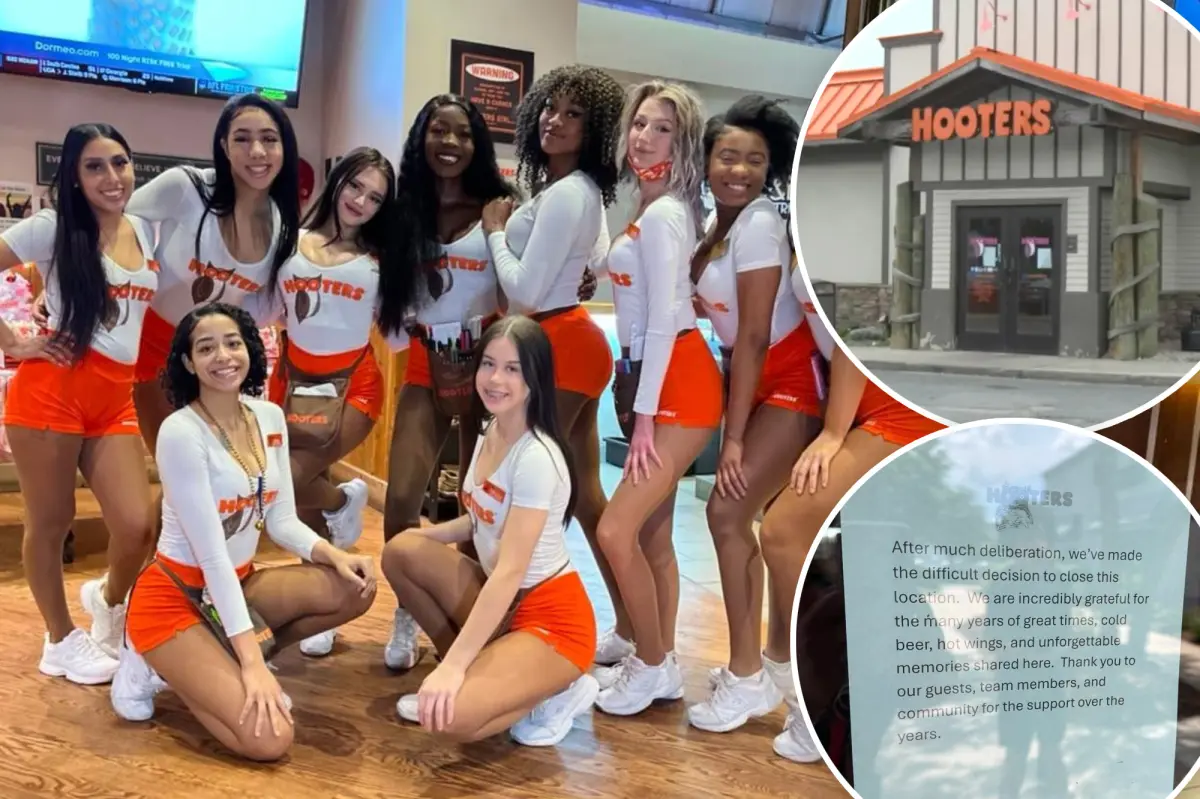
The physical landscape of American casual dining is undergoing a tectonic shift, marked by the quiet extinguishing of neon owl signs that once defined suburban strip malls across the Northeast. For decades, Hooters served as a quintessential, if controversial, slice of Americana—a place where cold pints, spicy chicken wings, and a very specific aesthetic of working-class escapism merged. However, the closing of the restaurant on Wolf Road in Colonie, New York, signaled the permanent end of an era, leaving both New York and Massachusetts completely devoid of the famous “breastaurant” chain. It was a departure marked not by a grand celebration, but by a paper sign taped to a locked glass door, expressing a bittersweet gratitude to the community for fifteen years of shared memories, cold beers, and hot wings. When news of the Colonie shutdown broke, a wave of digital grief swept through local online spaces like Reddit, where patrons eulogized the establishment with a mix of irony and genuine nostalgia. Some joked about the restaurant literally “going bust,” while others more dramatically lamented their personal loss. This closure followed the shuttering of the Big Apple’s sole remaining branch, as well as the quiet disappearances of the final Massachusetts bastions in Saugus, Dedham, and West Springfield. For the workers who relied on these shifts to pay tuition or rent, and for the regulars who found uncomplicated comfort in a familiar booth, these closures represented the loss of a unique social ecosystem that had managed to endure the ups and downs of the twenty-first century.
The retreat of this orange-and-white empire is not an isolated regional phenomenon, but rather a nationwide withdrawal that has left long-standing communities mourning their local hubs. Just a short drive south, Connecticut’s last remaining stronghold in Wethersfield quietly closed its doors, leaving the state entirely without representation. Meanwhile, halfway across the country, Minnesota witnessed the dramatic end of its final location at the Mall of America, which shut down after thirty-three years of continuous operation. In the days leading up to the final closing of these historic locations, crowds of dedicated diners lined up around the block, eager to experience one last nostalgic meal before the doors locked forever. These final gatherings resembled neighborhood wakes, filled with laughter, collective reminiscence, and a shared realization that the dining habits of their youth were rapidly fading into history. For the servers who wore the iconic white tank tops and orange shorts, and the kitchen staff who worked behind the scenes, these closing days were filled with emotional goodbyes, as decades of workplace camaraderie dissolved into the reality of job hunting. The loss of these physical spaces highlights a growing disconnect between the analog social spaces of the late twentieth century and the highly digitized, isolated world of modern dining.
Behind the shuttered storefronts and emotional farewells lies a harsh economic reality that forced the national brand into Chapter 11 bankruptcy protection. The financial pressures facing the chain are a reflection of the challenges hurting the entire casual dining sector. Skyrocketing inflation has driven up the cost of staple menu items—most notably chicken wings—while simultaneously shrinking the disposable income of average families. At the same time, shifting consumer behaviors have favored fast-casual convenience, food delivery apps, and healthier eating options over sit-down dining experiences. Faced with stagnant sales and mounting operational debts, the parent company made the difficult decision to permanently close thirty corporate-owned locations across the United States. This restructuring is a survival tactic aimed at cutting losses before the entire ship goes under. For the corporate leadership, the bankruptcy filing is a clinical tool for financial reorganization; however, for the hundreds of line cooks, dishwashers, managers, and servers who were suddenly left unemployed, it was a disruptive shift that highlighted the fragility of employment in the modern service industry.
The decline of the brand is also deeply tied to a profound cultural evolution that has redefined societal expectations of gender, labor, and public spaces over the past forty years. When the brand was founded in the early 1980s, its cheeky, male-centric appeal thrived on a wave of provocative, working-class humor. But in a modern society shaped by heightened awareness of workplace safety, gender equality, and professional respect, the concept of a “breastaurant” has increasingly struggled to find its footing. Younger generations of diners often view the hyper-sexualized uniform and marketing with skepticism, preferring dining experiences that align with contemporary values of inclusivity and respect. For many modern job seekers, the prospect of wearing a revealing uniform in exchange for tips feels less like an empowering hustle and more like an outdated compromise. This cultural shift created a difficult dilemma for the corporate office: how to maintain the loyalty of an aging, traditional customer base while simultaneously attracting a younger, socially conscious generation of patrons who find the core premise of the brand to be a relic of a bygone era.
In a desperate bid to navigate this cultural and financial storm, the original founders bought back a majority stake in the restaurant chain with the goal of executing a major brand reinvention. Rather than completely abandoning their past, the owners are attempting a delicate pivot toward a more “family-friendly” environment, trying to reposition the brand to survive in a much more sensitive market. The core strategy of this turnaround involves removing the provocative elements of the restaurant’s image and leaning heavily into wholesome vintage nostalgia. The goal is to resurrect the laid-back, sun-drenched beach-bar vibe of the 1980s, transforming the dining rooms into welcoming, retro spaces where families can feel comfortable bringing their children for a weekend lunch. Corporate representatives have taken great pains to clarify that this transition is not a forced attempt to bow to modern political correctness, but rather a genuine effort to reclaim the brand’s original, fun-loving identity. By framing the change as an authentic reclamation of who they have always been, the company hopes to soften the transition for loyal traditionalists while opening the door for new customers who previously avoided the brand.
The most tangible and highly debated aspect of this modern survival strategy is the planned modification of the iconic server uniforms. Neil Kiefer, the seventy-three-year-old attorney tasked with guiding the brand through this delicate evolutionary phase, famously summarized the aesthetic overhaul by promising that customers would no longer see revealing outfits that push the boundaries of family compliance. The plan is to swap out the highly controversial, tight-fitting modern uniforms with the more modest, classic athletic styles worn by staff during the chain’s early years. By shifting the focus away from overt sex appeal and back toward friendly, energetic hospitality, leadership hopes to create a more comfortable environment for both customers and staff. This strategy poses a fascinating business question: can a brand that built its global empire on provocative marketing successfully transition into a wholesome, family-friendly destination? As the remaining locations adapt to this new era of modesty and nostalgia, the ultimate survival of the chain will depend on its ability to balance its historic identity with the changing social expectations of the modern world.