





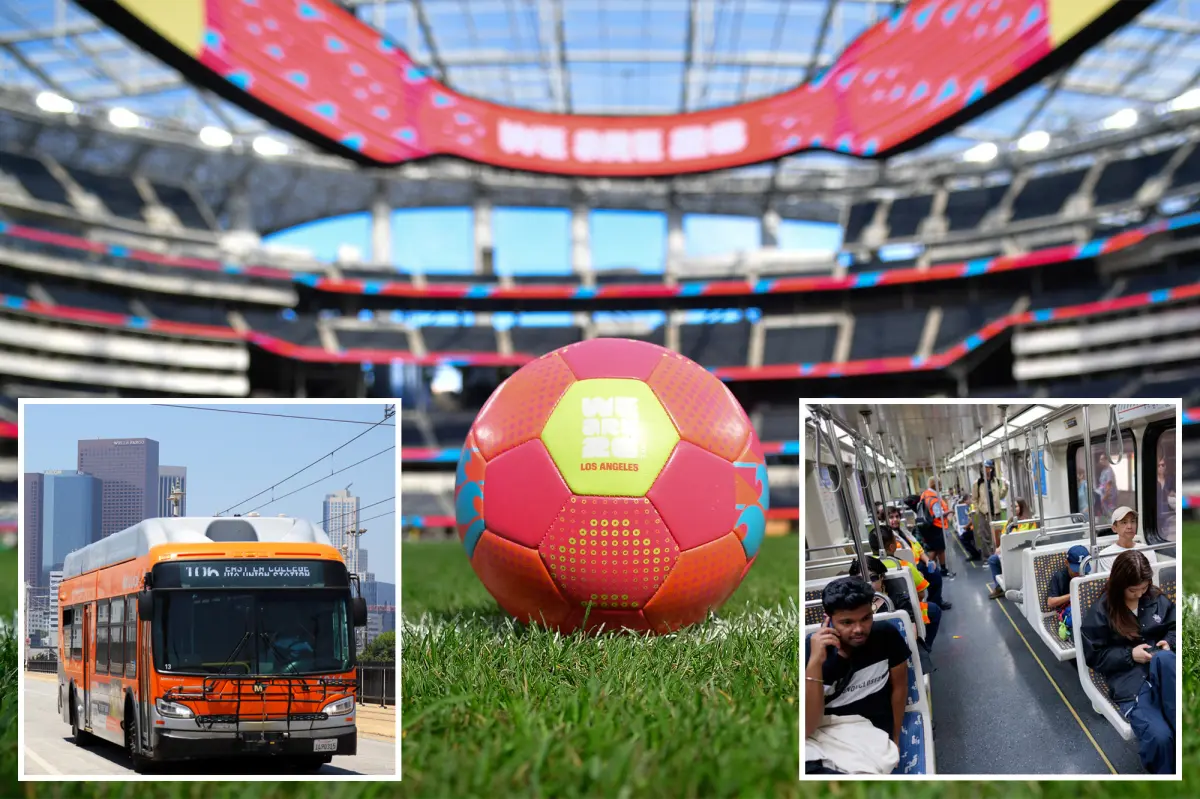
Los Angeles is buzzing with the electric anticipation of World Cup fever, and as a lifelong soccer enthusiast who’s dreamed of cheering in a stadium packed with global fans, I can tell you it’s going to be an unforgettable spectacle. But if you’re like me and live in LA, planning your trip to SoFi Stadium for one of the eight matches from June 12 to July 10 means facing some harsh realities. Driving and parking? Forget it—it’s not just inconvenient; it’s turning into a financial drain that could wipe out your wallet faster than a bad ref call. Imagine the frustration of cruising bumper-to-bumper through snarled traffic, only to cough up hundreds or even thousands for a parking spot right when you thought you’d saved by coming early. Parking costs are skyrocketing, with spots commanding $100 to $1,000 depending on location, as hundreds of thousands of fans descend on the area, hungry for that perfect view of the action. I’ve heard stories from past events where folks got stuck in gridlock for hours, missing kickoff entirely, and that panic is real when you’re planning family trips with kids or ticket discounts that suddenly feel meaningless. On game day, with limited spots around SoFi, it can devolve into a full-blown logistical nightmare—cars honking, tempers flaring, and everyone jockeying for position. Yet, there’s a smarter, much cheaper way to dodge this chaos, and as someone who’s battled LA traffic my whole life, it’s a game-changer. Instead of diving into that vehicular mess, fans can lean on the LA Metro system for a flat $1.75 each way, covering transfers and even hooking up to direct World Cup shuttles. It’s affordable, efficient, and lets you soak in the atmosphere without the stress of parking woes. Picture this: hopping on a train feeling carefree, joining fellow supporters in the train car belting out chants, the excitement building as you approach the stadium. Metro has tailored its service around accessibility, making sure even the most budget-conscious fan—like myself on a tight paycheck—can make it to the games without breaking the bank. This setup isn’t just convenient; it’s a nod to inclusivity, ensuring soccer’s spirit of unity isn’t overshadowed by corporate greed. I’ve always believed events like this should be for everyone, and while driving might seem straightforward, it’s often the path of regret; opting for public transit realigns your energy toward what truly matters: the spine-tingling thrill of the match. As the World Cup approaches, embracing this workaround feels empowering, a way to reclaim the joy amid the hype.
Diving deeper into the transit options, it’s fascinating how the LA Metro has become the unsung hero for World Cup goers, offering a reliable alternative to the parking pandemics we’ve all dreaded. For those of us navigating LA’s sprawling layout, taking the Metro means catching lines like the C or K, which connect seamlessly to direct shuttle buses heading straight to SoFi. If you’re coming from farther out, regular bus routes such as the 115, 117, or 212 will drop you near the venue, eliminating the need for that grueling parking search. I’ve ridden these routes before for concerts and events, and it’s always struck me how they transform a potentially exhausting journey into a communal adventure—people from all walks of life mingling, sharing predictions about teams like Portugal or Uruguay, the air thick with anticipation. The $1.75 fare includes unlimited transfers, so if you need to switch modes mid-trip, it’s all covered without extra cost, making it ideal for families or groups splitting the bill. Cumulatively, this approach slashes the environmental footprint too, reducing emissions from idling cars stuck in traffic jams that can snake for miles on match days. As a dad who’s dragged kids to Little League games, I appreciate how Metro ensures accessibility for everyone, from wheelchairs to strollers, fostering that equal-opportunity vibe soccer promotes. But let’s be real: if you’re tempted to drive partway, the costs still hit hard—ranging from $55 to $101 for Metro’s park-and-ride spots, which are a steal compared to on-site fees but still a bite when you’re budgeting for beers and souvenirs. These options, however, bundle seamlessly with transit access, allowing a hybrid approach where you park farther out and ride in the rest of the way, saving both time and money. SpotHero and similar services let you snag these reservations early, before they vanish in the frenzy of demand, preventing that last-minute scramble that’s left me stranded in the past. Humanizing this, think of it as gearing up for battle: your car as a trusty steed, parked safely away from the fray, while you hop aboard Metro’s chariot to charge into the stadium. The brilliance lies in the planning—Metro isn’t just reacting; it’s proactively upgrading its game to handle the human wave, ensuring no one misses out due to poor logistics.
When it comes to reservations and strategic planning, keen fans like myself are turning to tools like SpotHero to lock in those park-and-ride spots before they’re gone, as distances correlate inversely with cost—farther away means more affordable rates, often under $100. I’ve always found that pre-booking takes the edge off uncertainty, especially since World Cup tickets alone can set you back a bundle, and layering on exorbitant parking feels downright predatory. For instance, imagine planning a family outing only to find rates spiking like oil prices mid-match; securing a spot early via an app feels like a small victory in the chaos. Metro’s not slacking either—service kicks off up to four hours pre-kickoff and stretches two hours post-game, accommodating everything from early arrivers to late-night celebrants dancing in the streets. This extended reach mirrors the unpredictable nature of soccer finals, where extra time or penalties can extend thrills well past sunset, and having that transit cushion lets fans revel in those heart-pounding moments without fretting over the ride home. Personally, as someone who’s missed the end of games due to poor planning, this detail resonates deeply; it’s not just about getting there but ensuring the joy lingers. The system heals the wounds of past traffic travails by emphasizing reliability, with real-time updates and crowded cars fostering camaraderie over isolation. Yet, even with these perks, the existential dread of stadium-adjacent parking looms—FIFA’s official site lists $250 to $300 spots with a 22-minute hike, while secondary sellers gouge up to $1,200 onsite or $700 a mile out, prices that rival premium tickets and spark outrage among everyday fans. I’ve seen online forums erupt with frustration, fans decrying how such costs mirror societal divides, leaving the working class out of the loop. But Metro’s flat fare democratizes access, turning what could be a barrier into a bridge, and it’s a reminder that great events should uplift, not alienate.
Underpinning this all is Metro’s ambitious “Hat Trick” initiative, a masterful playbook designed to manage the influx of roughly 180,000 global fans without turning streets into parking lot hellscapes. By recruiting over 100 school buses to bolster their fleet, alongside partnerships with 10-plus regional transit agencies, they’ve created a web of direct shuttle routes from LA County hubs, ensuring smooth flow from downtown to SoFi. As a commuter who’s fought LA’s infamous congestion, I find this fleet augmentation genius—those yellow buses, repurposed from school runs to soccer shuttles, add a nostalgic charm while practically multiplying capacity. Officials, like Metro Board Chair Fernando Dutra, bluntly warn of “brutal” traffic near the stadium on match days, projecting the nightmare of expense and delay that Metro circumvents. In his words, ditching cars lets fans “focus on what matters most—celebrating the love of soccer with fellow fans from around the world,” a sentiment that echoes my own experiences at games where the communal high drowns out pre-event hassle. This plan isn’t haphazard; it’s a logistical triumph born from collaboration, reflecting metro’s ethos of public service over profit. On the human side, it’s about empathy—acknowledging that not everyone can afford elite indulgence, so providing affordable transit empowers diverse attendance. The influx might strain roads, but Metro’s reinforcements promise a smoother ride, transforming potential frustration into fun. I’ve attended events where poor planning led to chaos, but here, the foresight builds excitement, making you feel like part of a grand celebration rather than a traffic casualty. Ultimately, this Hat Trick isn’t just operational; it’s a statement that soccer’s spirit thrives on unity, not exclusion, inviting fans of all backgrounds to join without bankrupting poise.
Shifting to the broader ramifications and fan sentiment, it’s clear that these outrageous parking prices aren’t just about costs—they’re a stark reflection of deepening income inequality, as online discussions on Reddit and elsewhere lambast them as inaccessible to “normal people.” I’ve scrolled through threads where locals vent, one calling the World Cup and Olympics “not designed for average fans who don’t have thousands to spare,” while another quips that parking fees could buy a disposable used bicycle, suggesting fans bike in and abandon it at gates. This frustration is palpable, a raw cry from the heart of fans who’ve historically been priced out of global spectacles, leaving events feeling elitist rather than inclusive. As someone from a middle-class LA background, I relate—seeing a single game’s total outlay (tickets plus parking) hit five figures is demoralizing, especially when wages stagnate and costs inflate. It’s not merely economic; it’s emotional, stripping the joy from what should be pure passion. Yet, Metro’s $1.75 lifeline emerges as a beacon, affirming that accessibility can prevail over avarice. Critics slam the disparity as “full display” of society’s divides, where corporations and FIFA profit while enthusiasts struggle, but public transit offers a path forward, humanizing the experience by prioritizing people over profits. In these forums, humor mixes with anger—bikes as throwaways, comparisons to essentials like food—highlighting how exorbitant fees alienate core supporters. By choosing Metro, fans reclaim agency, turning potential outrage into rallying cries of unity. It’s a wake-up call for events to bridge gaps, ensuring soccer remains a sport of the masses, not the elite. Personally, these voices fuel my advocacy for better public options, making me cherish accessible paths that let everyone partake in the magic.
In wrapping this up, the World Cup at SoFi isn’t just about games—it’s a test of LA’s infrastructure and spirit, where outdated parking paradigms clash with innovative transit solutions like Metro’s entries. As a fan, I’ve witnessed how high costs breed resentment, yet cheap fares usher in inclusivity, letting passions soar over prices. With plans to handle crowds via stagecoaches—er, buses—and shuttles, the focus shifts to fandom’s essentials: cheers, goals, and shared triumphs. Officials’ warnings of traffic tribulations serve as sage advice, urging rideshares over solos, while digital critiques push for equity. Ultimately, by ditching steering wheels for rails, we cultivate that legendary bond, transforming hurdles into highlights. Download apps, join newsletters, and ride the wave—because in soccer, the true win lies in togetherness, not ticket stubs. This event beckons all to partake affordably, proving systems can uplift dreams when designed with humanity in mind. As matches near, let’s choose wisely, emerging not just spectators, but stories of resilient joy. For California Post updates, follow their vibrant social threads—Facebook, Instagram, TikTok, X, YouTube— Subscribe to newsletters, grab the app, or opt for home delivery. Hollywood’s Page Six is a gem too. Here’s to celebrating globally, locally!